U.S. Sen. Lindsey Graham died Saturday evening after a “brief and sudden illness,” his office said in a statement posted on social media. He was 71.His office did not provide any additional details about the South Carolina Republican and said his family “appreciates prayers at this time and asks for privacy during this incredibly difficult period.”First elected to the U.S. Senate in 2002 after serving in the House, Graham briefly ran for president in 2016. He later emerged as one of President Donald Trump’s top allies.Who will replace Graham?According to South Carolina law, Gov. Henry McMaster will appoint a temporary replacement to fill Graham’s seat until Jan. 3 of next year.Unlike some states, South Carolina does not generally require the governor to appoint someone from the same political party as the senator who left office. That gives the governor broad discretion in choosing a temporary replacement.In June, Graham defeated multiple primary challengers to secure his party’s nomination as he vied for a potential fifth term. Now, a special primary must be held by Aug. 11, according to state election laws, to find a replacement nominee.That nominee will face Democratic Dr. Annie Andrews in November. The process varies by stateWhile the U.S. Constitution requires vacancies to be filled, it gives states the authority to decide how that happens.In 46 states, governors can appoint a temporary senator until voters elect a replacement.Four states — Kentucky, North Dakota, Rhode Island and Wisconsin — require vacancies to be filled only through a special election, meaning the seat remains vacant until then. In every state, voters eventually choose who serves the rest of the Senate term.
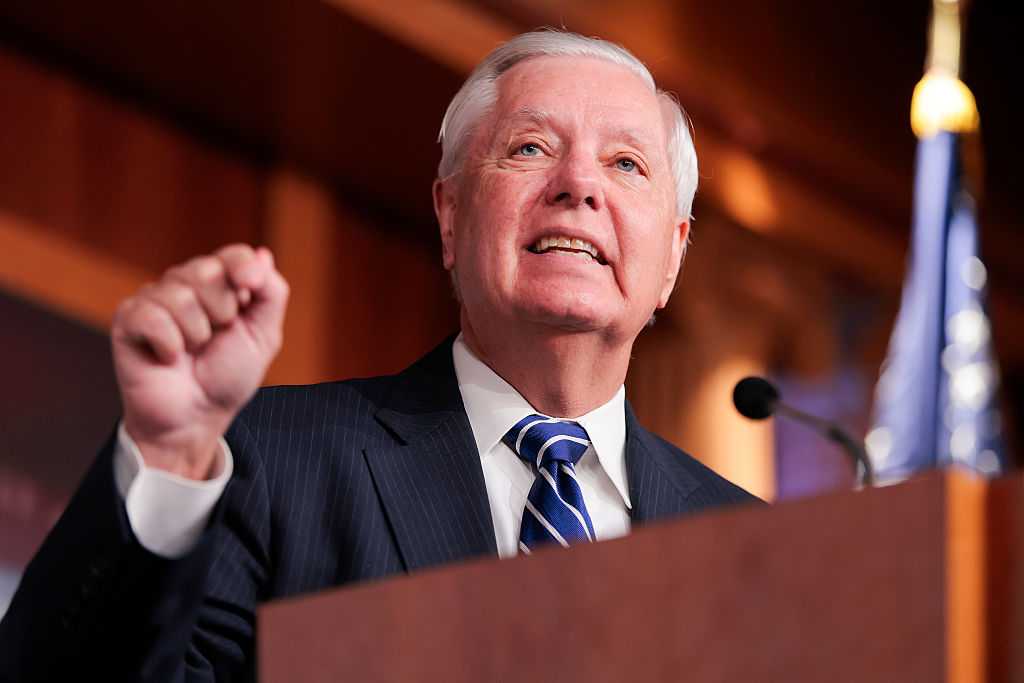
U.S. Sen. Lindsey Graham died Saturday evening after a “brief and sudden illness,” his office said in a statement posted on social media.
He was 71.
His office did not provide any additional details about the South Carolina Republican and said his family “appreciates prayers at this time and asks for privacy during this incredibly difficult period.”
First elected to the U.S. Senate in 2002 after serving in the House, Graham briefly ran for president in 2016. He later emerged as one of President Donald Trump’s top allies.
Who will replace Graham?
According to South Carolina law, Gov. Henry McMaster will appoint a temporary replacement to fill Graham’s seat until Jan. 3 of next year.
Unlike some states, South Carolina does not generally require the governor to appoint someone from the same political party as the senator who left office. That gives the governor broad discretion in choosing a temporary replacement.
In June, Graham defeated multiple primary challengers to secure his party’s nomination as he vied for a potential fifth term. Now, a special primary must be held by Aug. 11, according to state election laws, to find a replacement nominee.
That nominee will face Democratic Dr. Annie Andrews in November.
The process varies by state
While the U.S. Constitution requires vacancies to be filled, it gives states the authority to decide how that happens.
In 46 states, governors can appoint a temporary senator until voters elect a replacement.
Four states — Kentucky, North Dakota, Rhode Island and Wisconsin — require vacancies to be filled only through a special election, meaning the seat remains vacant until then.
In every state, voters eventually choose who serves the rest of the Senate term.

