Revolutionary War soldier identified after 246 years thanks to forensic scientists and genealogists

The remains of Private John Pumphrey, a teenage soldier from Maryland who fought in the Revolutionary War, have been identified after 246 years, thanks to forensic scientists and genealogists.

Discovery at Camden
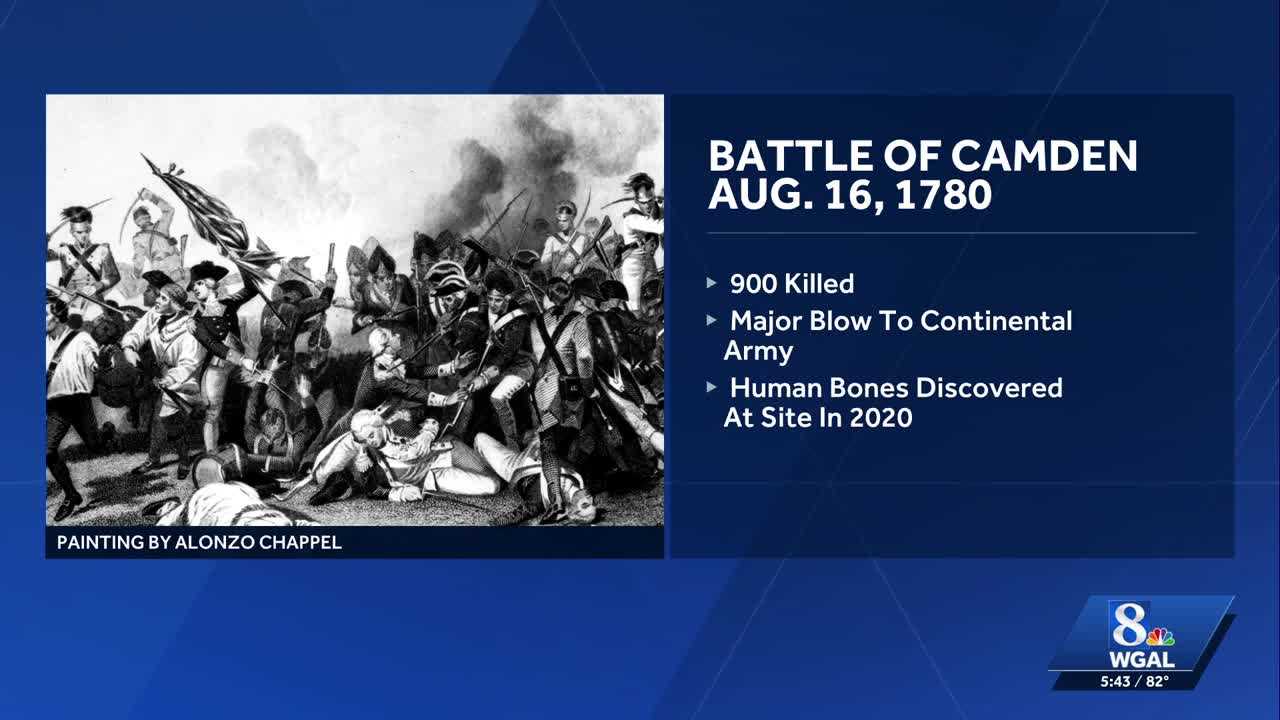
Pumphrey’s remains were discovered in 2020 at the site of the Battle of Camden in South Carolina, where British General Cornwallis defeated Patriot forces under Major General Gates on Aug. 16, 1780.
The battle was one of the Continental Army’s most devastating defeats, leaving nearly 900 soldiers dead. Many of the fallen were left where they fell, exposed to wild animals, South Carolina’s heat, and humidity.
Identification through DNA
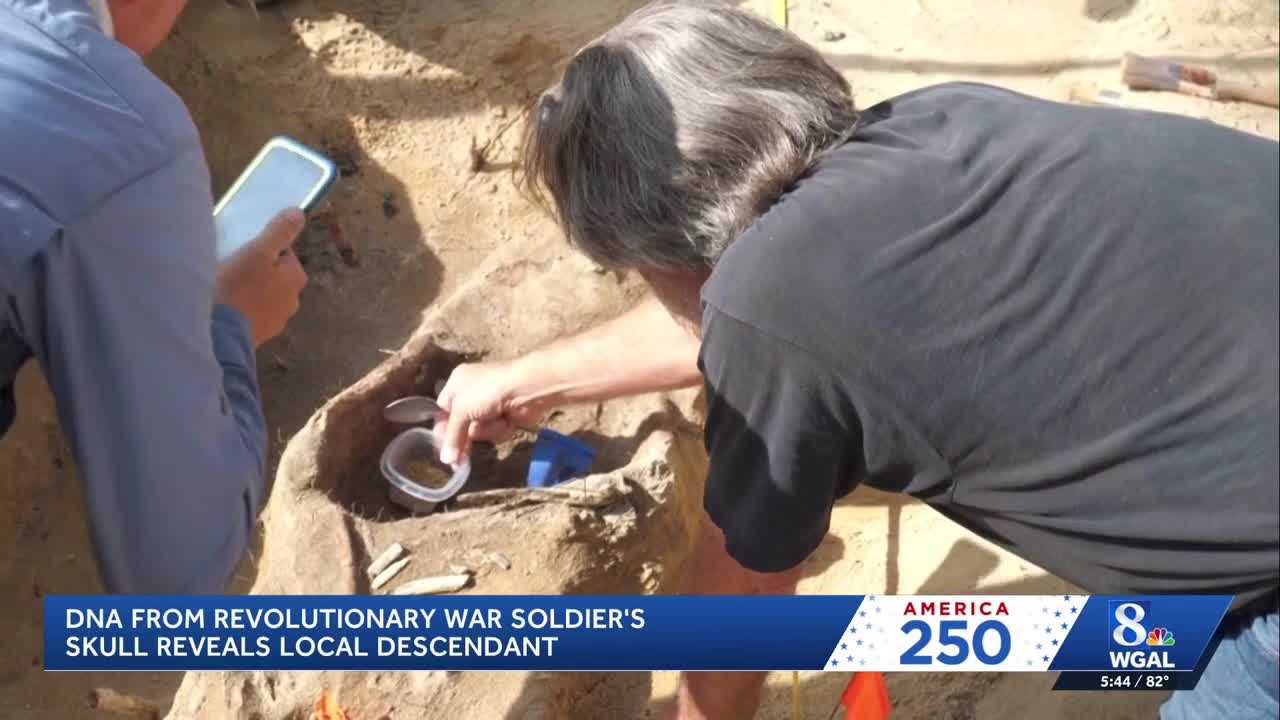
Archaeologists surveying the area uncovered 12 sets of remains, including Pumphrey’s, labeled “Camden 9-B.”
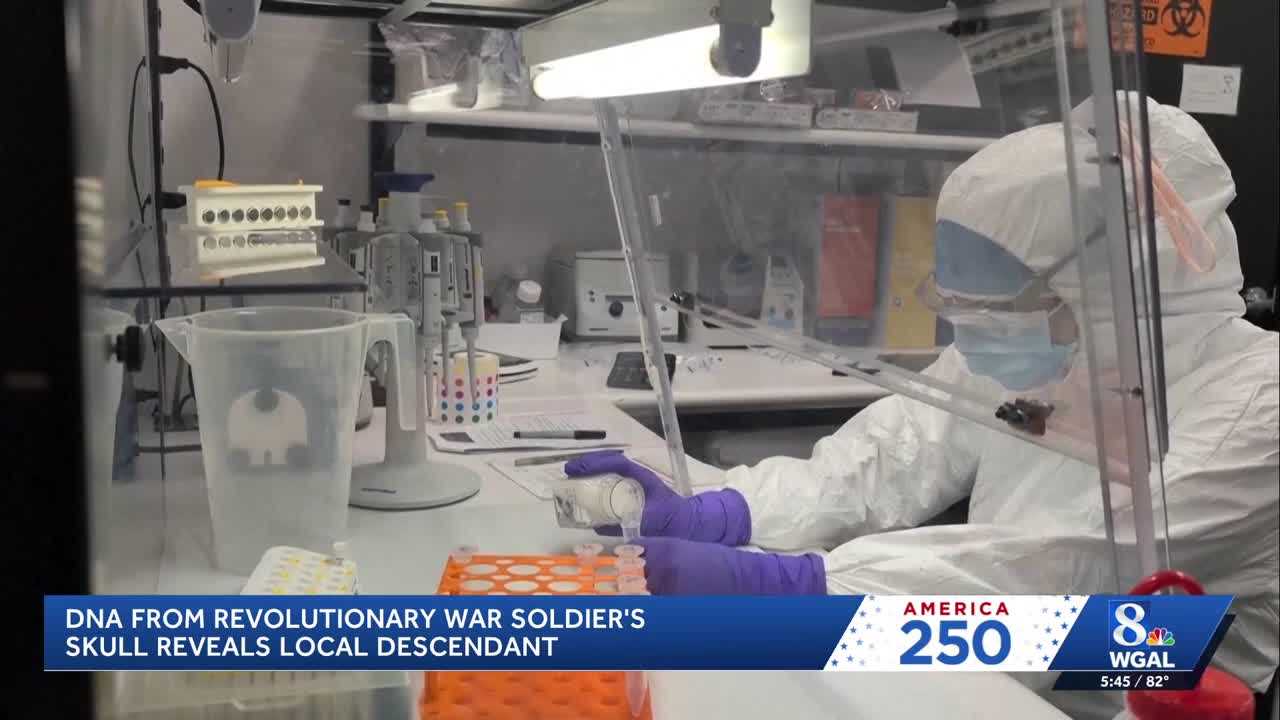
“Nobody really knew for sure whether we could get genetic profiles suitable for a genealogy investigation on 240-plus-year-old remains. But we got lucky, and it worked,” said Allison Peacock, founder of Texas-based FHD Forensics.
Using a fragile portion of the temporal bone, a delicate structure behind the ear at the base of the skull, researchers successfully generated Pumphrey’s entire genome.
“It really, really kind of lit us up. We really took it very seriously. Also, for me personally, I think I felt like there was a sense of divine timing, I guess. I don’t know what else you want to call it, but it seems like it’s the right thing to do at this moment in time,” Peacock said.
Family match and life story
The DNA analysis led to a match with Russ Hudson, a retired federal agent from Gettysburg, Pennsylvania, who is Pumphrey’s five-times-great-nephew. Hudson offered to assist with archival research, helping to piece together Pumphrey’s story as a young orphan from Anne Arundel County, Maryland, who enlisted in the 7th Maryland Regiment.
Pumphrey and his regiment were with George Washington at Valley Forge and fought in major battles in the northern theater, including Brandywine, Germantown, and Monmouth.
“John Pumphrey, he played a significant role in ensuring that the lives of many other soldiers continued, you know, the fight at a later date and that he sacrificed himself along with some others, you know, for the sake of this new nation,” Hudson said.
Last month, Hudson and some of the 20,000 DNA matches identified through ancestry research attended an official interment ceremony in Anne Arundel County.
Honor and unanswered questions
While researchers could not determine Pumphrey’s exact cause of death, they noted no specific injuries on his remains. It is possible he suffered a soft tissue injury, such as a bayonet wound, but the exact cause is unclear after 246 years. Researchers believe he was between 13 and 15 years old when he enlisted and 16 to 18 when he died.
Hudson said the story will not be complete until the U.S. government confirms the research and replaces Pumphrey’s “unknown” gravestone. “America owes it to John Pumphrey,” he said.

