Why stink bugs invade your home in fall—and how to stop them
Fall is stink bug season. Here’s how to get rid of them and keep them from coming back.
If stink bugs are suddenly appearing on your windows, walls, or curtains, fall is probably to blame. As temperatures drop, these pests look for warm places to shelter through winter. Here’s how to remove the ones already inside, keep more from coming in, and avoid the mistake that can make the problem worse.
To sort out fact from fancy, we reached out to Dr. Chris Hayes, director of the Hayes Structural Pest Research Lab at NC State.
Why Stink Bugs Suddenly Appear in Fall
Stink bugs are usually outdoor pests during the spring and summer. They feed on plants, including garden vegetables and crops, but they become more noticeable indoors when nights begin to cool.
“Starting in September, they start moving inside, into structures and anywhere they can find warm shelter,” says Hayes.
As soon as you start to get a few cold nights, stink bugs enter a phase that’s called “diapause.” This is when, according to Chris, they would naturally tend to cluster in hollow logs or trees, out of the way of predators and frost. “Then they slow their body way, way, way down. They stop feeding. And that allows them to survive until spring.”
The timing varies depending on where you live, but stink bugs may begin moving indoors in late summer or early fall and remain hidden through winter.
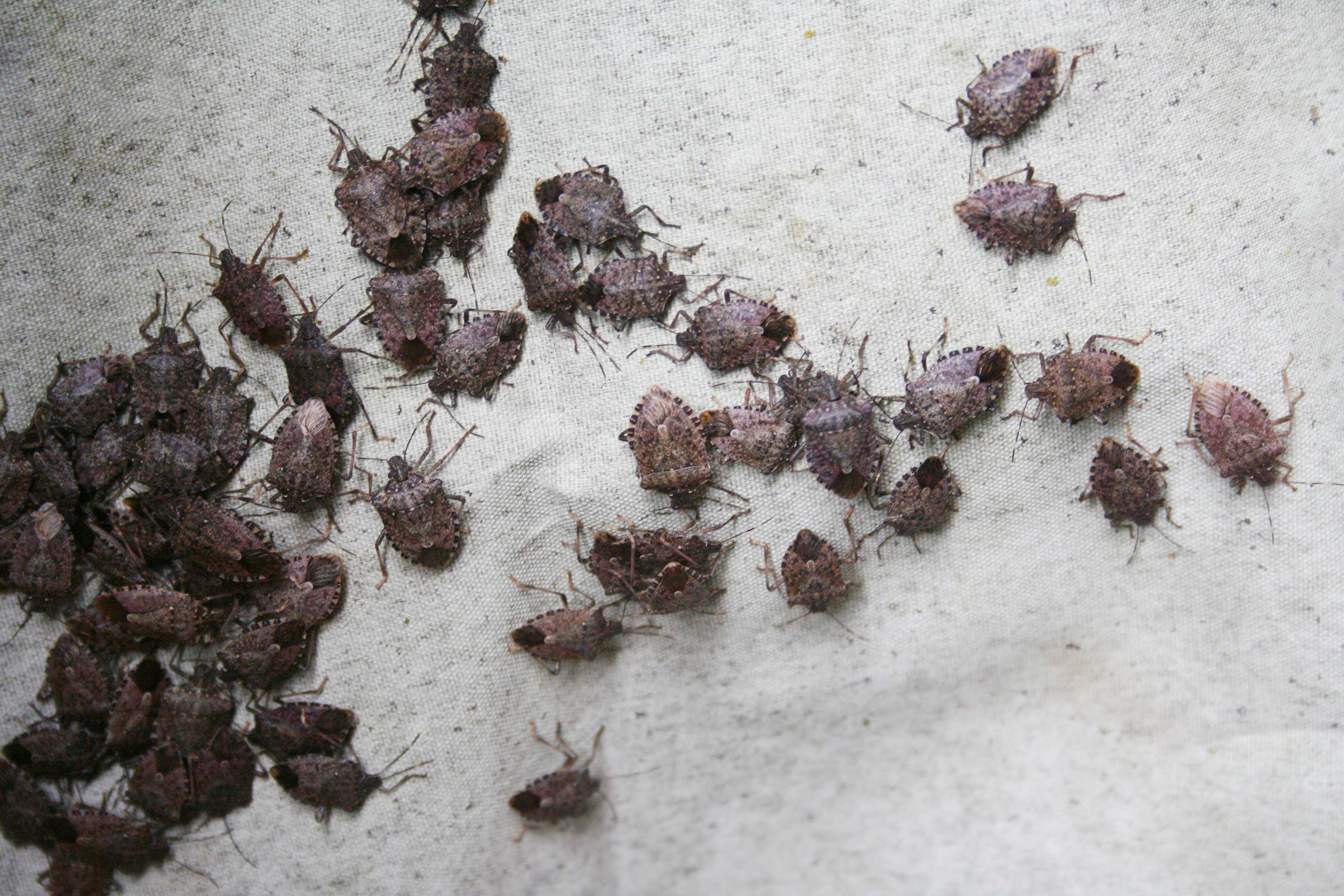
What Do Stink Bugs Look Like?
Stink bugs have a distinctive shield-shaped body. The brown marmorated stink bug is usually mottled brown and gray, with lighter markings along the edges of its abdomen.
There are many native stink bug species, but the brown marmorated stink bug is invasive and can be especially troublesome because it has few natural predators in the United States. Stink bugs generally do not bite or sting people, but they can damage plants outdoors.
What Attracts Stink Bugs to a Home?
In late fall, they are primarily looking for a place to shelter. They may be drawn to warm, sunny sides of a home, then gather around windows, eaves, soffits, attics, and other upper areas. Bright lights can also attract them, which is why you may notice them around exterior lighting or windows at night.
Fortunately, they’re not typically there for food, so you don’t have to worry about leaving food out, as you would with other pests. “I don’t want to say you’d never see a stinkbug eat a fruit,” says Chris. After all, that’s what they eat outside. “But most of the time, by the late fall, they’re they’re not concerned with feeding, just surviving.”
How Do Stink Bugs Get Inside?
Stink bugs can enter through small openings around windows, doors, vents, soffits, utility lines, and other exterior penetrations.
“Typically, stink bugs try to go up and in, so they look for windows, eaves, soffits, and will try to cluster in attics and higher levels,” says Chris. The good news is that they’re not typically doing damage. “A few on your window could mean you have a small number, or you could have hundreds up there and you wouldn’t know. When the spring comes, they’re gone and you’d never know they were there.”
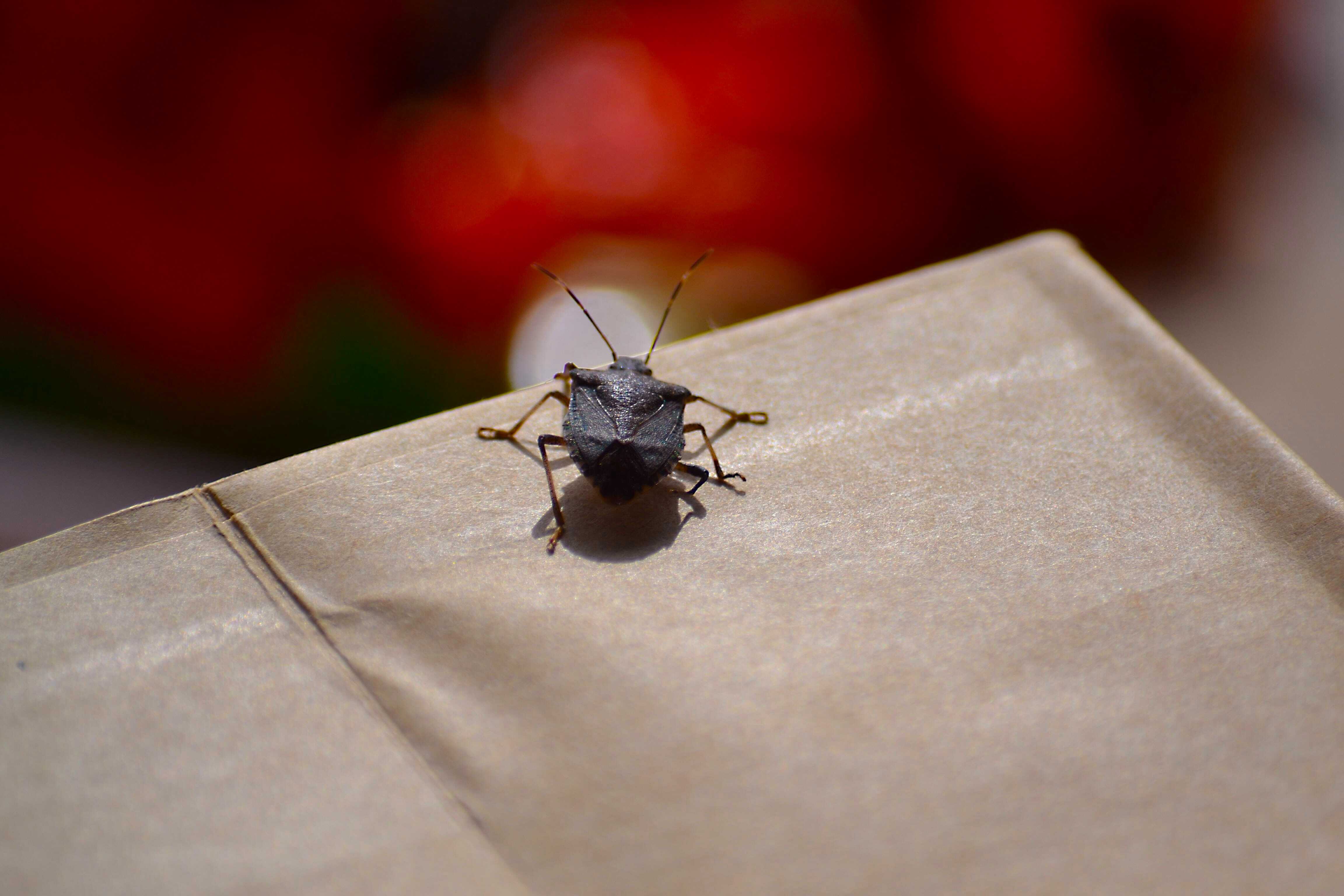
What’s the Best Way to Get Rid of Stink Bugs?
If you’re only dealing with one or two stink bugs—say a few on the window—then you can simply grab it and dispose of it. Because of the cold, they tend to be especially sluggish. “I recommend just picking it up with a tissue or paper towel and flushing it,” says Chris. “You could put it outside, but it would just come back in again.”
For larger groups, use a vacuum cleaner. “But don’t just leave them in there. They’ll crawl right back out. You’ll want to freeze them, or drown them in a bucket of soapy water.”
Don’t Crush Stink Bugs in Large Numbers
Despite their name, stink bugs do not always smell strongly. They release an unpleasant odor when crushed or disturbed, however.
Chris says that it is probably fine to crush one or two, but there are reasons to avoid crushing them when dealing with larger numbers. “When they release their odor, it’s a chemical defense system,” he explains. “And it’s very likely releasing an alarm pheromone for other stink bugs. Crushing one alerts the others.”
In a situation where you’ve got a lot of them clustered together, then, crushing one or two could cause the others to scatter throughout your home, making them much harder to get rid of.
Getty Imagespicture alliance
5 Ways to Keep Stink Bugs Out of Your House
1. Repair Window Screens
Look for tears, loose edges, or gaps around window screens. Replace damaged screens and make sure they fit securely in their frames.
2. Replace Worn Weatherstripping
Check the weatherstripping around exterior doors, garage doors, and windows. If you can see light around a closed door, insects may be able to get through the same opening.
3. Seal Cracks Around Windows and Trim
Use an appropriate exterior caulk to seal small cracks around window frames, door frames, siding, and trim. Pay particular attention to sunny sides of the house where stink bugs may gather.
4. Inspect Utility Openings and Upper Levels
Check areas where pipes, wires, and cables enter the house. Also inspect attic access points, eaves, and soffits for gaps. Do not block active vents, since proper attic ventilation is important.
5. Ask a Pest Professional About Exterior Treatment
If stink bugs return every fall or gather in large numbers, a licensed pest professional can inspect the structure and treat likely entry points with an appropriate residual insecticide.
When Should You Call a Pest Professional?
Call a licensed pest professional if:
- Stink bugs are appearing in several rooms.
- Large clusters are gathering in an attic, wall void, or upper story.
- The bugs return every fall despite sealing obvious gaps.
- You cannot safely remove the infestation with a vacuum.
- Someone in your household has respiratory sensitivities or concerns about pesticide exposure.
Per Chris, “You may want to involve an insecticide. There are aerosols that are knockdown products, that will kill any insect that breathes it in almost immediately. But don’t do it yourself. You want to try someone who has the training to use it.”

