What began as a routine deepening project on the Savannah River to make room for larger cargo ships led to an extraordinary discovery: 19 Revolutionary War-era cannons buried in the riverbed for more than two centuries.Most of the cannons, pulled from the river in 2021, are now being restored — offering a vivid link between Savannah’s modern role as an economic powerhouse and its strategic importance during the American Revolution.A discovery beneath a working riverFor the past several years, crews have been carefully restoring the rusted cannons, which had remained hidden underwater for more than 200 years.Their discovery was accidental. Workers dredging the river to expand access for bigger vessels brought up a few cannons and quickly realized they had found something unusual.Andrea Farmer, an archaeologist with the Savannah District of the U.S. Army Corps of Engineers, said the weapons likely came from British ships sunk during the 1779 Siege of Savannah.”Most of the cannons were actually still loaded,” Farmer said. “So that shows just how quickly they went down.” A wartime scrambleHistorians say the British scuttled the ships in a hurry, trying to block French warships from reaching American forces seeking to retake Savannah.The move underscored the city’s value at the time: Control of Savannah meant control of a key Southern trade hub.”The river from the beginning has always been the lifeblood of Georgia’s economy,” said Stan Deaton, a historian with the Georgia Historical Society. “It’s where all the goods flowed in and out of here.”Savannah was also deeply connected to the Caribbean, where British colonial trade generated enormous wealth.”That’s really where the money was,” Deaton said.From colonial trade to global commerceAfter independence, Savannah’s port only grew in importance.Deaton said Georgia exported raw materials such as tobacco, rice and lumber, while relying on imports for manufactured goods. Over time, the port expanded from those early exports through the cotton era and into the modern global economy.Today, the Port of Savannah is one of the busiest in the nation and the fastest-growing container terminal in the United States, handling cars, furniture, food and countless everyday products.”So much of what Americans buy and sell comes through or leaves this port,” Deaton said.Past and present in the same channelThat modern demand is what sent crews deeper into the river in the first place — and ultimately led them to the cannons.It’s a striking reminder that long before cargo ships powered the nation’s economy through these waters, warships once fought to control them.In Savannah, the river remains what it has long been: a channel of commerce, conflict and American history.
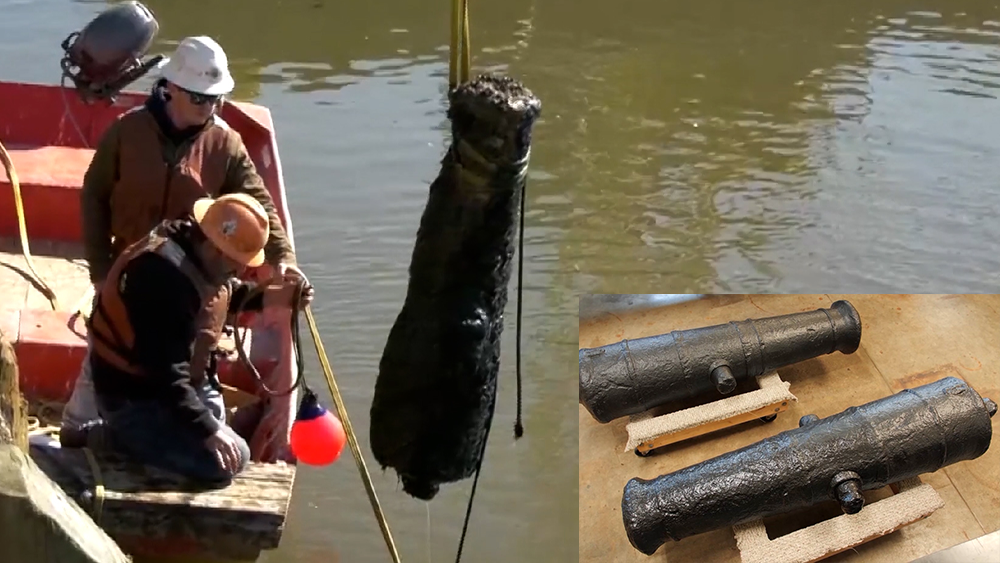
What began as a routine deepening project on the Savannah River to make room for larger cargo ships led to an extraordinary discovery: 19 Revolutionary War-era cannons buried in the riverbed for more than two centuries.
Most of the cannons, pulled from the river in 2021, are now being restored — offering a vivid link between Savannah’s modern role as an economic powerhouse and its strategic importance during the American Revolution.
A discovery beneath a working river
For the past several years, crews have been carefully restoring the rusted cannons, which had remained hidden underwater for more than 200 years.
Their discovery was accidental. Workers dredging the river to expand access for bigger vessels brought up a few cannons and quickly realized they had found something unusual.
Andrea Farmer, an archaeologist with the Savannah District of the U.S. Army Corps of Engineers, said the weapons likely came from British ships sunk during the 1779 Siege of Savannah.
“Most of the cannons were actually still loaded,” Farmer said. “So that shows just how quickly they went down.”
A wartime scramble
Historians say the British scuttled the ships in a hurry, trying to block French warships from reaching American forces seeking to retake Savannah.
The move underscored the city’s value at the time: Control of Savannah meant control of a key Southern trade hub.
“The river from the beginning has always been the lifeblood of Georgia’s economy,” said Stan Deaton, a historian with the Georgia Historical Society. “It’s where all the goods flowed in and out of here.”
Savannah was also deeply connected to the Caribbean, where British colonial trade generated enormous wealth.
“That’s really where the money was,” Deaton said.
From colonial trade to global commerce
After independence, Savannah’s port only grew in importance.
Deaton said Georgia exported raw materials such as tobacco, rice and lumber, while relying on imports for manufactured goods. Over time, the port expanded from those early exports through the cotton era and into the modern global economy.
Today, the Port of Savannah is one of the busiest in the nation and the fastest-growing container terminal in the United States, handling cars, furniture, food and countless everyday products.
“So much of what Americans buy and sell comes through or leaves this port,” Deaton said.
Past and present in the same channel
That modern demand is what sent crews deeper into the river in the first place — and ultimately led them to the cannons.
It’s a striking reminder that long before cargo ships powered the nation’s economy through these waters, warships once fought to control them.
In Savannah, the river remains what it has long been: a channel of commerce, conflict and American history.

