Denmark has welcomed a meeting with the U.S. next week to discuss President Donald Trump’s renewed call for the strategic, mineral-rich Arctic island of Greenland to come under American control.
“This is the dialogue that is needed, as requested by the government together with the Greenlandic government,” Danish Defense Minister Troels Lund Poulsen told Danish broadcaster DR on Thursday.
U.S. Secretary of State Marco Rubio had said on Wednesday a meeting about Greenland would happen next week, without giving details about timing, location or participants.
“I’m not here to talk about Denmark or military intervention. I’ll be meeting with them next week, we’ll have those conversations with them then,” Rubio told reporters on Capitol Hill.
Greenland’s government has told Danish public broadcaster DR that Greenland will participate in the meeting between Denmark and the U.S. announced by Rubio.
“Nothing about Greenland without Greenland. Of course we will be there. We are the ones who requested the meeting,” Greenland’s Foreign Minister Vivian Motzfeldt told DR.
The island of Greenland, 80% of which lies above the Arctic Circle, is home to about 56,000 mostly Inuit people.
U.S. Vice President JD Vance said on Wednesday that Denmark “obviously” had not done a proper job in securing Greenland and that Trump “is willing to go as far as he has to” to defend American interests in the Arctic.
In an interview with Fox News, Vance repeated Trump’s claim that Greenland is crucial to both the U.S. and the world’s national security because “the entire missile defense infrastructure is partially dependent on Greenland.”
He said the fact that Denmark has been a faithful military ally of the U.S. during World War Two and the more recent “war on terrorism” did not necessarily mean they were doing enough to secure Greenland today.
“Just because you did something smart 25 years ago doesn’t mean you can’t do something dumb now,” Vance said, adding that Trump “is saying very clearly, ‘you are not doing a good job with respect to Greenland.’”
Vance’s comments came after Rubio told a select group of U.S. lawmakers that it was the Republican administration’s intention to eventually purchase Greenland, as opposed to using military force.
“Greenland belongs to its people,” Antonio Costa, the President of the European Council, said on Wednesday. “Nothing can be decided about Denmark and about Greenland without Denmark, or without Greenland. They have the full solid support and solidarity of the European Union.”
The leaders of Canada, France, Germany, Italy, Poland, Spain and the U.K. joined Denmark’s Prime Minister Mette Frederiksen on Tuesday in defending Greenland’s sovereignty in the wake of Trump’s comments about Greenland, which is part of the NATO military alliance.
After Vance’s visit to Greenland last year, Danish Foreign Minister Lars Løkke Rasmussen published a video detailing the 1951 defense agreement between Denmark and the U.S.. Since 1945, the American military presence in Greenland has decreased from thousands of soldiers over 17 bases and installations on the island, Rasmussen said, to the remote Pituffik Space Base in the northwest with some 200 soldiers today. The base supports missile warning, missile defense and space surveillance operations for the U.S. and NATO.
The 1951 agreement “offers ample opportunity for the United States to have a much stronger military presence in Greenland,” Rasmussen said. “If that is what you wish, then let us discuss it.”
Last year, Denmark’s parliament approved a bill to allow U.S. military bases on Danish soil. The legislation widens a previous military agreement, made in 2023 with the Biden administration, where U.S. troops had broad access to Danish air bases in the Scandinavian country.
Denmark is moving to strengthen its military presence around Greenland and in the wider North Atlantic.
Last year, the government announced a 14.6 billion-kroner ($2.3 billion) agreement with parties including the governments of Greenland and the Faroe Islands, another self-governing territory of Denmark, to “improve capabilities for surveillance and maintaining sovereignty in the region.”
The plan includes three new Arctic naval vessels, two additional long-range surveillance drones and satellite capacity.
Denmark’s Joint Arctic Command, headquartered in Nuuk, is tasked with the “surveillance, assertion of sovereignty and military defense of Greenland and the Faroe Islands,” according to its website. It has smaller satellite stations across the island.
The Sirius Dog Sled Patrol, an elite Danish naval unit that conducts long-range reconnaissance and enforces Danish sovereignty in the Arctic wilderness, is also stationed in Greenland.
Are you a giant death metal nerd? Then you need to hear this very obscure demo from a great death metal band that never really got the recognition that they deserve… and then check out my full series on exactly this topic right here.
I am a little baffled that Anthropomancy and their 1993 demo doesn’t have more of a cult following or at least that the name hasn’t come up in the conversation of early ’90s death-doom.
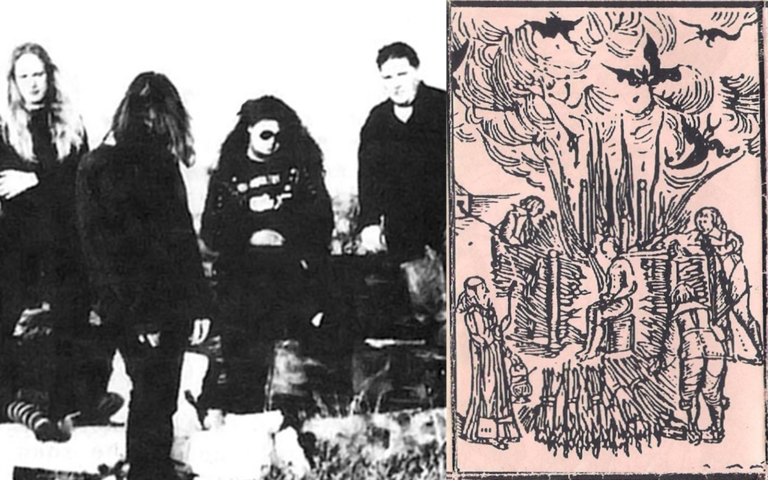
Formed in 1989, Anthropomancy started out as a thrash band but eventually slowed things way down and dropped a single demo in 1993, aptly titled Demo 1993. The demo is four tracks that clock in at about 45 minutes total, all of which are absolutely soaked in that miserable, grey-sky death-doom sound that the UK was so good at producing during that era of death metal.
What really stands out to me about this demo is how confident and deliberate the songwriting is. There’s no real filler, there’s no meandering atmospherics for the sake of it. Each track feels very tightly constructed despite being pretty long because it’s death-doom, and they use minimal elements to build these massive, hypnotic atmospheres that really keep you engaged.
From the mournful acoustics and chant-like vocals of “Journey Song,” to the ghostly layering and séance-like intensity of “Gutted,” to the straight-up unhinged violence of “Body Infestation,” and finally the funeral doom abyss that is the 17-minute closer “Mourner’s Lament,” every moment of this demo feels very intentional. They just lock into a vibe and really let it consume you.
It’s not flashy — it’s a lot more hypnotic than it is driving death metal — but it’s devastatingly effective. What makes this demo even more insane to me, at least, is that most of the band didn’t really go on to do anything else in metal, at least not that I could find. The one exception is drummer Jenny Andrews, who played in another band called Covenant that put out one demo in 1992.
Otherwise, this was a one-and-done affair for everybody else involved. And that probably explains why Demo 1993 didn’t take on a bigger legacy — there was no post-Anthropomancy project to keep the name alive, no momentum, nobody really went on to do anything else, so the conversation just kind of died. It was just one solid demo and then silence for the rest of eternity.
Demo 1993 was reissued once by Rotting Misery in 2018 across 300 copies pressed to vinyl. It was never on CD, it was never issued digitally — the only reissue that it got was again this one vinyl pressing. But I did notice that the reissue was listed online as featuring an interview with the band included in an issue of the Deprived No. 2 zine in 1994.
So I dug up some scans of that interview and — hey — we’ve got a little information on Anthropomancy, at least from the perspective of vocalist Andy Richardson, who the interview was conducted with. When asked in that interview if he’d describe their sound as doomy, Richardson responded:
“I think it’s fair to describe our sound as doomy but it’s more than that, I hope!! Words I would use are miserable, gothic, beautiful (in places), dodgy, rip-off (but who isn’t these days!!).”
And yeah, the guy clearly has a sense of humor. When asked about the band’s plans for the year, he said: “First and foremost, the plan is to make sure the band survives another year. Anything on top of that is a bonus. Of course we’d like to get a record deal, sell 5 million copies of the subsequent LP, make loads of cash, and retire to Norway. I’m not entirely convinced that it’s going to happen quite that soon, so I’ll settle for a few gigs with some bigger bands.”
We may never really know what happened to the members of Anthropomancy after this, but Demo 1993 deserves way more recognition than it’s gotten. It’s a hidden gem of early ’90s death-doom, and with any luck it’ll find its way into the right hands for a much wider release someday.
Want More Metal? Subscribe To Our Daily Newsletter
Enter your information below to get a daily update with all of our headlines and receive The Orchard Metal newsletter.
Seven & i Holdings raised its annual profit forecast after reporting a sharp jump in net profit as it gears up for a listing of its North American business.
Bill Connelly is a writer for ESPN. He covers college football, soccer and tennis. He has been at ESPN since 2019.
It has been 29 years since a college football team won its first national title. There’s about a two-in-three chance it will happen over the next couple of weeks; and if it doesn’t, we’ll have to settle for a team either winning its first crown in 63 years (Ole Miss) or 24 years (Miami). With three first-time semifinalists and a historical runner-up battling for the crown, college football is getting a burst of newness to finish the 2025 season. Here’s a big “hell yeah” to that.
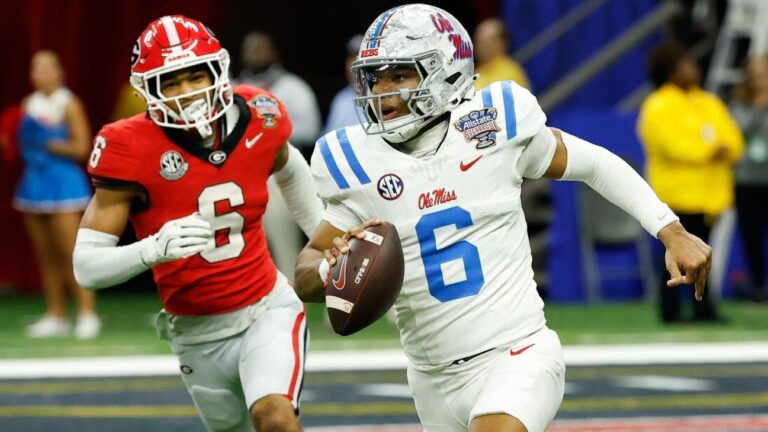
The College Football Playoff semifinals will kick off in Arizona on Thursday evening with the first Miami-Ole Miss game since 1951. The most dominant player in the CFP thus far (Miami’s Rueben Bain Jr.) will chase around Ole Miss’ incredible Trinidad Chambliss, and the Hurricanes will attempt to counter the Rebels’ speed with good old-fashioned manpower.
The next day in Atlanta, national title favorite Indiana will pit its ridiculously experienced roster — and its chip-on-his-shoulder coach — against the young energy and blue-chip roster of Oregon for the second time this season. Can the Hoosiers maintain their perch with a season sweep of the Ducks?
New blood can be a spectacular thing in college football. Let’s find out who best takes advantage of an incredible opportunity. Here’s everything you need to follow in this week’s CFP semifinals.
The 20 (or so) best players of the CFP thus far
(Semifinalists only)
Amid some chaotic results, let’s look back at the 20 or so players who were most responsible for giving us this pair of semifinal matchups. (Spoiler: Each team occupies five spots. We’re all about equal treatment here.)
1. DE Rueben Bain Jr., Miami (2 games, 10 tackles, 6.5 tackles for loss, 4 sacks, 16 pressures, 2 run stops). Sixteen pressures! In two games! Bain has been unreal for the Hurricanes, especially in the early going of each contest. He’ll face a unique challenge in trying to corral the No. 2 player on this list. But to say the least, Bain has been up for all challenges thus far.
2. QB Trinidad Chambliss, Ole Miss (2 games, 53-for-75 passing, 644 yards, 3 TDs, 8.5 yards per dropback, 91.5 Total QBR, 57 non-sack rushing yards and 2 TDs). The only time the transfer from Division II Ferris State really blinked all season was in the fourth quarter at Georgia in the regular season. He atoned with a brilliant performance in the Rebels’ quarterfinal upset of the Bulldogs, and his reward is a shot at a repeat national title (counting last year’s run with Ferris State).
3. QB Fernando Mendoza, Indiana (1 game, 14-for-16 passing, 192 yards, 3 TDs, 8.7 yards per dropback, 96.7 Total QBR, 38 non-sack rushing yards). Granted, Mendoza didn’t have to do a ton: His Hoosiers made short work of Alabama in the Rose Bowl quarterfinal, and he was able to spend the last few minutes of the game on the bench. But completing 88% of your passes and rushing for three first downs is a pretty good way to prove your Heisman Trophy-winning bona fides.
4. RB Mark Fletcher Jr., Miami (2 games, 38 touches, 287 yards, 1 TD). Fletcher was nearly the only successful offensive player in Miami’s gutsy first-round win over Texas A&M, and he followed that up by grinding out 90 rushing yards and a receiving touchdown against Ohio State‘s dynamite defense. Through two games, he has generated far more yards from scrimmage than anyone else in the semifinals.
5. LB Suntarine Perkins, Ole Miss (2 games, 12 tackles, 4.5 TFLs, 1 sack, 4 run stops, 2 forced fumbles, 2 fumble recoveries). As prominent as Bain has been, Perkins has matched him from a playmaking perspective. Perkins made at least two tackles for loss in each of his first two games and also forced and recovered fumbles in each outing. Ridiculous.
6. DE Akheem Mesidor, Miami (2 games, 12 tackles, 3.5 TFLs, 3.5 sacks, 11 pressures). Bain’s dominance has been made even more unfair by the large periods of time in each Miami game in which he wasn’t even the Hurricanes’ best pass rusher. The veteran Mesidor has been brilliant, as well.
7. DB Devan Boykin, Indiana (1 game, 7 tackles, 2.5 TFLs, 1 sack, 1 pressure). The versatile safety can be deployed in countless ways, and his role against Alabama was one of frequent backfield disruption. He was great at it.
8. RG Bray Lynch, Indiana (zero blown blocks in 66 snaps). Center Pat Coogan was named the Rose Bowl’s offensive MVP as a nod to how dominant the Hoosiers’ front was against Alabama. But we’re giving Lynch a shoutout here: The two-year starter was statistically perfect against the Crimson Tide.
9. DB Keionte Scott, Miami (2 games, 12 tackles, 3 TFLs, 2 sacks, 5 pressures, 1 run stop, 1 forced fumble, a 72-yard pick-six). It’s almost a surprise that Mesidor and Bain left any plays for anyone else on Miami’s defense. But Scott has done a little of everything out of the slot corner role, and his first-half interception for a score against Ohio State was an absolute game changer.
10. WRs De’Zhaun Stribling and Harrison Wallace III, Ole Miss (2 games, 23 receptions, 376 yards, 2 TDs). We’ll cheat and include both of these guys in one entry because it’s my list and I can do what I want. Stribling and Wallace are the CFP’s two leading receivers. Wallace enjoyed a career game in the quarterfinals (nine catches for 156 yards), and Stribling came up with the catch of his life on an over-the-top 40-yarder that set up the winning field goal. Ole Miss doesn’t have a go-to guy on which to focus; the Rebels have a pair of them.
11. OLB Teitum Tuioti, Oregon (2 games, 8 tackles, 2.5 TFLs, 2.5 sacks, 6 pressures, 2 run stops). Oregon has had one brilliant offensive game and one brilliant defensive game in the CFP, and no one has really stood out twice. But when the defense needed a big play in either game, Tuioti probably made it. His two sacks and three pressures against Texas Tech set the tone for Red Raiders quarterback Behren Morton‘s nightmare day.
12. CB Brandon Finney Jr., Oregon (2 games, 9 tackles, 0.5 TFLs, 1 run stop, 2 interceptions, 1 fumble recovery). Finney didn’t do a ton against James Madison, but the freshman was a turnover maker against Texas Tech, setting up one scoring opportunity with an interception, creating another with a fumble recovery and snuffing out any hope the Red Raiders had with an end zone pick early in the fourth quarter.
13. RBs Kaelon Black and Roman Hemby, Indiana (1 game, 34 touches, 199 yards, 2 TDs). Yes, the offensive line was incredible against Bama, but so was this running back duo. They did the bulk of their damage (72 yards from scrimmage) as the Hoosiers were taking control of the game in the second quarter, and they both scored fourth-quarter touchdowns that shifted the game from “comfortable win” to “absolute blowout.”
14. S Dillon Thieneman, Oregon (2 games, 17 tackles, 2 TFLs, 1 run stop, 2 pass breakups). It’s not always great for your team when your safety makes double-digit tackles, as Thieneman did against Texas Tech, but only one of his tackles was at the end of a double-digit gain. He is very effective at both the “extra linebacker” and “deep safety valve” aspects of the job. Oregon’s secondary features one of the most important freshmen (Finney) and one of the most important transfers (Thieneman) of the season.
15. RB Kewan Lacy, Ole Miss (2 games, 40 touches, 204 yards, 3 TDs). The yards were tough for Lacy against Georgia — especially when you consider the injured shoulder that was taking so much contact — but he was vital to keeping Ole Miss on schedule. And the Rebels beat the Dawgs in part because they were far more frequently on schedule.
16. QB Dante Moore, Oregon (2 games, 45-for-60 passing, 547 yards, 4 TDs, 3 INTs, 8.5 yards per dropback, 82.5 Total QBR, 15 non-sack rushing yards and 1 TD). Maybe the hardest player to grade on this list because of the three picks. Completing 75% of your passes in the CFP — despite one game coming against a brilliant Texas Tech defense — is awesome, but the mistakes have to end in Atlanta.
17. K Lucas Carneiro, Ole Miss (5-for-5 on FGs of 40-plus yards, 2-for-2 from 50-plus, 7-for-7 on PATs). Carneiro made a 56-yard field goal, a 55-yarder and a game-winning 47-yarder against Georgia. Based on season averages, an average kicker would have had about an 11% chance of making all three. The combined expected point total from those three kicks was 4.3, and he delivered nine points in a five-point win.
18. WR Malik Benson, Oregon (2 games, 10 catches, 170 yards, 2 TDs). Moore’s receiving corps has been battered by injuries this season, but Benson has been an underrated stalwart. He torched James Madison for 119 yards and two scores, and he was an early tone-setter against Texas Tech with five first-half catches.
19. DE Mikail Kamara, Indiana (1 game, 3 tackles, 2 TFLs, 1 sack, 4 pressures). Against Alabama, the veteran recorded his first two-TFL game since Week 2; and in the plays with Kamara’s four pressures, the Tide’s combined yardage was minus-1.
20. LT Markel Bell, Miami. The Canes’ ability to run efficiently against two stellar defenses has defined their playoff run to date, and they’ve been by far their most efficient hitting the run gaps on either side of the 6-foot-9, 345-pound senior. Bell has allowed a few pressures against two dynamite pass rushes, but Miami is here because of its ground game.
Ole Miss got ditched by its coach immediately before landing its first College Football Playoff bid. Miami seemingly got ditched by the CFP committee after a wholly mediocre October stretch that included timid late play and losses to Louisville and SMU. It is impossible to overstate how incredible it is that one of these two will be playing for the national title in a couple of weeks.
The Division II transfer and the Steve Fisher checklist
When Michigan basketball coach Bill Frieder announced his intention to leave for Arizona State at the end of the 1988-89 season, athletic director Bo Schembechler told him to take a hike immediately, famously saying, “I don’t want someone from Arizona State coaching the Michigan team. A Michigan man is going to coach Michigan.” Assistant Steve Fisher took the reins right before the NCAA tournament and led the Wolverines, who had finished third in the Big Ten, to the national title. Along the way, the Wolverines exacted revenge on Illinois, which had swept them in the regular season.
Pete Golding is ticking off boxes on the Fisher checklist. Since taking over for Lane Kiffin, who left for LSU before the start of the playoff, Golding has led the Rebels to their first two CFP wins and a revenge victory over Georgia.
The Kiffin-as-villain story has made the Rebels pretty easy to root for. But so has their quarterback.
The transfer portal is frequently framed as a pox on college sports, especially when combined with the effects of still-liberal NIL rules. Kids aren’t loyal anymore! They don’t tough things out! It has made coaches’ jobs impossible! That latter part is definitely true, and it has certainly resulted in some players getting lost in the shuffle after taking some bad guidance. But it also has created stories such as that of Trinidad Chambliss.
Water can find its level in this sport in a way it never has before, and after leading Division II powerhouse Ferris State to a national title last season, Chambliss decided he wanted a taste of big-time college football. He moved up to Ole Miss, knowing he would probably be a backup. But he made a Wally Pipp out of poor Austin Simmons — Simmons began the season as the Rebels’ starter, missed some early time with a minor injury and never got another shot — and Chambliss is the biggest reason Ole Miss is here. His skill corps made big plays against Georgia (and the Rebels’ kicker came through in a big way), but Chambliss threw for 362 yards and two touchdowns and took zero sacks despite 12 pressures. (On those pressures, he completed 9 of 12 passes for 125 yards, including a perfect 44-yard bomb to Harrison Wallace III. Ridiculous stuff.)
Ole Miss has underdog magic and interim magic on its side. We’ll see if that’s enough to counter another powerful force: nostalgia.
Miami and the draw of pure, uncut nostalgia
I didn’t realize the sight of Michael Irvin being overwhelmingly happy and emotional on the sideline would make me emotional too, but here we are.
I am a child of the ’80s, and Miami went 33-3 from 1985 to 1987, as Irvin was catching 143 balls for 2,423 yards and 26 touchdowns in a Hurricanes uniform. Since his Hall of Fame pro career ended, he has been known for his emotional sideline wanderings. But the emotions have been primarily those of frustration: Miami has suffered only four losing seasons since its most recent top-five finish in 2003, but the Hurricanes settled into merely decent living, winning from six to nine games 17 times during that stretch.
They disappointed earlier this season too, using a Week 1 win over Notre Dame to charge to No. 2 in the country but spitting the bit in losing tight games to Louisville and SMU. The Canes needed late blowouts of NC State, Virginia Tech and Pitt to score the last CFP at-large bid, but they got here. And with Irvin, Ray Lewis and other former Hurricanes cheering on the sideline, the Hurricanes allowed 17 points in two playoff games and rode old-school physical play — the type of ball coach Mario Cristobal dreams of — to a semifinal berth.
The allure of The U is a powerful one, particularly for those of a certain age, and if you don’t believe me, just scroll through the listings on the ESPN family of networks. If the 30 for 30 by that name — or its sequel — isn’t playing right now, it almost certainly will be soon. And after 23 years of suffering following their controversial loss to Ohio State in the 2002 season’s national title game, the Hurricanes exacted revenge on the Buckeyes in the quarterfinals and brought themselves achingly close to the promised land. Every one of the four semifinalists has a team-of-destiny vibe, but Irvin and the nostalgia of past great Miami teams have created particularly strong feelings.
Strength vs. strength: Miami’s pass rush vs. Trinidad Chambliss
When Ole Miss has possession, seven of the 22 guys listed above will be on the field at the same time. It will be the hottest defense in the playoff against the highest-ranked remaining offense (Ole Miss is second in offensive SP+).
Among semifinalists, Miami’s defense has produced the highest turnover rate in CFP games (3.7%), the highest interception rate (5.3%), by far the highest sack rate (12.9%), the highest pressure rate (41.9%) and the most tackles for loss per game (7.0). With help from Scott’s sneak attacks from the nickel position, Bain, Mesidor and the rest of Miami’s defensive line were too much for Texas A&M (11th in offensive SP+) or Ohio State (13th) to handle. The Buckeyes established the run a bit in the second half, and it knocked the Hurricanes off balance, but an Ohio State offense with Jeremiah Smith, Carnell Tate and countless future pros still finished with only 14 points and 332 total yards.
The physical Miami offense has given the defense good field position to work with, and Corey Hetherman’s unit has taken it from there. The Hurricanes’ efficiency against the run isn’t great — they’ve allowed a 42.6% rushing success rate* in the CFP, highest of the semifinalists — but their success all season has been predicated entirely on preventing big plays and eventually teeing off on the quarterback.
(* Success rate: how frequently an offense is gaining 50% of necessary yardage on first down, 70% on second down and 100% on third and fourth down.)
In Chambliss and the Rebels, however, Miami is facing an offense with a relentlessly efficient run game — 54.2% rushing success rate in the CFP, highest of any semifinalist — and the most elusive quarterback left in the field. Yes, the Rebels got to plump up their stats by first playing against Tulane‘s defense, the worst in the CFP, but ask Georgia about Chambliss’ elusiveness. The Dawgs will tell you what you need to know.
play
0:41
Chambliss escapes multiple defenders with a big 1st-down throw
Ole Miss QB Trinidad Chambliss scrambles away from multiple defenders and somehow finds Kewan Lacy for a first down.
If Lacy is keeping Ole Miss on schedule and Chambliss is doing his thing, Miami might have fewer opportunities to tee off and might be less successful when trying to do so. Against Ohio State, the Hurricanes produced an otherworldly 60.9% pressure rate in the first half, but that sank to 41.2% in the second half, when the Buckeyes were running the ball more effectively. Now 41.2% is still a fantastic number, but Lacy could exploit some run gaps, and Chambliss should escape pressure better than Ohio State’s Julian Sayin did. This is the epitome of strength versus strength.
Will Miami’s power game take hold?
Miami has faced by far the best pair of defenses of any CFP team — Ohio State ranks first in defensive SP+ and Texas A&M ranks 14th (and the windy conditions in College Station served as a 12th defender). But even taking that into account, Miami’s offensive numbers in the CFP are far worse than anyone else’s. The other three teams have averaged at least 6.1 yards per play, and the Hurricanes are at 5.1. They have the lowest success rate (36.6%), the fewest gains of 20-plus yards (2.7%), the shortest average drive distance (25.4), the lowest average yards per dropback (4.5) and even the second-worst rushing success rate.
Again, the Hurricanes have played against excellent defenses, so this makes sense. But for the season, they’re only 42nd in rushing success rate, and they have by far the least explosive offense of any of the remaining semifinalists.
Maybe Fletcher or do-it-all freshman Malachi Toney can come up with something explosive, but job No. 1 of Miami’s offense is to serve the defense. The Canes have scored just 27 offensive points in two CFP games and have won both, after all.
You can run on Ole Miss, though. Or at least, you could in the regular season. The Rebels are 62nd in yards allowed per rush, not including sacks (4.8). Georgia pulled off a hellacious ground-and-pound routine against Ole Miss in their first matchup, and while the Rebels were able to defend far more effectively in the Sugar Bowl, they still allowed Nate Frazier to gain 86 yards in 15 carries (5.7 per carry). If Miami is allowed to “manball” its way to points and/or field position advantages, then the game is being played on Miami’s terms.
The Rebels are mostly excellent against the pass, though. Georgia had just a 34.7% pass success rate in the quarterfinals, and a lot of the Dawgs’ success came on throws in which Gunner Stockton left the pocket and left himself exposed to big hits in the name of receivers coming open. Georgia’s two biggest pass plays came on balls thrown more than five seconds after the snap. This is not a game Miami’s Carson Beck is built to play. He wants to stay in the pocket, read and fire. That could be a problem against an increasingly confident defense, with increasingly disruptive linebacker Perkins racing from sideline to sideline.
Georgia did complete some effective screens and checkdowns, including a 24-yard gain for Frazier and a 15-yard screen pass on third-and-13 to Zachariah Branch (whose usage mirrors Toney’s to a degree). But passes at or behind the line still had only a 30% success rate. Miami couldn’t get Toney free against Ohio State (and he fumbled twice, making it three in two CFP games); and if he isn’t at his most confident and free-flowing, and the run game is only generating decent efficiency, Miami could find itself in trouble.
Who avoids third-and-long?
Ole Miss beat Georgia in part because the Rebels won 15 of 27 overall third downs (55.6%); they were a substandard 5-for-14 (35.7%) on conversions, but the Dawgs were a terrible 3-for-13 (23.1%). It could have been even more lopsided: Georgia converted on third-and-12 and third-and-13 in the second quarter as it was unleashing a run that swung the game in its favor. In the first, third and fourth quarters, the Dawgs were 0-for-9. Ole Miss’ average third down required 7.4 yards to go, while Georgia was at 8.9.
Miami followed a similar recipe: The Canes won 14 of 24 overall third downs against Ohio State (58.3%), going 7-for-14 (50.0%) while the Buckeyes went 3-for-10 (30.0%). Granted, the best way to win third down is for your offense to avoid them altogether — and Miami doesn’t do much of that. Still, the Canes forced five third-and-longs, on which Ohio State went just 1-for-5. Overall, Miami’s third downs required 7.9 yards on average, while Ohio State was at 8.9.
For the season, third downs have been mostly advantageous for both teams.
Average yards to go on third down Offense: Ole Miss 8.1 (eighth nationally), Miami 8.2 (19th) Defense: Miami 8.9 (seventh), Ole Miss 8.5 (74th)
If the Rebels’ defense forces third-and-long as well as it did against Georgia, this is another strength-versus-strength matchup. But keep tabs on the third-down distances early on; that might be a tell for where the game is headed.
Projections
DraftKings: Miami 27.5, Ole Miss 24 (Miami -3.5, over/under 51.5 points)
SP+: Ole Miss 28.1, Miami 25.2
SP+ has been far more dialed in to Ole Miss’ success than the lines have; it had the Georgia game as a toss-up, while Ole Miss was listed as a 6-point underdog by DraftKings. It’s been underselling the Hurricanes of late, though: They’ve overachieved against SP+ projections by at least 9.6 points in four of their past five games.
You can see whatever you want in these projections, then. But the matchups are fascinating.
DraftKings implied national title odds: Miami 23.0% (+310), Ole Miss 13.5% (+600)
SP+ national title odds: Ole Miss 19.6%, Miami 12.9%
Perhaps not surprisingly, there’s a disagreement with the national title odds, as well. Whoever wins this one will likely be the underdog in the national title game, but underdog status sure suited both teams pretty well in the quarterfinals, didn’t it?
Two years ago, Indiana was rounding out a dire 3-9 campaign — and Tom Allen’s tenure as coach — with losses to 5-7 Illinois, 4-8 Michigan State and 4-8 Purdue. After going a combined 14-7 in 2019 and 2020, the Hoosiers went just 9-27 in Allen’s final three seasons. Both Allen and Kevin Wilson before him proved a little bit of momentum could be generated in Bloomington, but when the boulder began rolling downhill again, Allen was powerless to stop it.
That same season, Oregon fell short of a national title shot solely because of a pair of losses to Kalen DeBoer’s Washington — first in mid-October, then in a Pac-12 championship game rematch. Dan Lanning’s Ducks won 12 games by an average of 46-13 but couldn’t solve the Huskies.
In Atlanta on Friday, as with 2023, Lanning and Oregon will again face the only team to beat them in the regular season, and the winner will get a shot at the national title. Of course, the symmetry ends when you realize it’s Indiana standing in the Ducks’ way.
A long journey has only one more step
Oregon had the hottest offense in the country, and only one loss, when quarterback Dennis Dixon was lost for the season with injury late in 2007. In 2010, Chip Kelly’s Ducks were tied with Cam Newton and Auburn into the final minute and missed a shot in overtime in part because Tigers running back Michael Dyer’s arm wasn’t quite down. In 2012, the Ducks had just moved to No. 1 when they lost to Andrew Luck’s Stanford in overtime in November. In 2014, they reached their second national title game in five years but fell victim to magic from Buckeyes Ezekiel Elliott and Cardale Jones. In 2023, the Ducks missed out on a playoff bid by three points. In 2024, they started 13-0 but drew Ohio State at the worst possible time.
The Ducks have done everything but win the national title. The new-money powerhouses from Eugene have come tantalizingly close under multiple head coaches, with multiple generations of stars (and so many uniform combinations). They are the de facto behemoths in these semifinals, but they’re still looking for that first ring.
Lanning has a ring from his time at Georgia, but Friday’s game will represent a bit of a full-circle moment for him. His Oregon tenure began with a 49-3 pounding at Georgia’s hands in the Mercedes-Benz Stadium, the site of the semifinal. He is 48-6 since, and the past four losses were to either national finalists or this Indiana team. The Hoosiers charged right by Oregon this season, but now the Ducks have a chance to reel them back in and take what they’re owed for Dyer’s arm.
Indiana!
College football has plenty of issues it needs to figure out, but we live in a universe in which a Division II quarterback can become one of the most important players in the CFP, and where a program that was, until very recently, the losingest in college football history can wallop Alabama in the Rose Bowl and become the national title favorite.
Each offseason, my friend Bud Elliott at CBS Sports posts his annual Blue-Chip Ratio; for as long as he has done it, only teams with rosters of at least 50% blue-chippers have won the national title. This season, Oregon had nearly 80% blue-chippers, and as best as I can tell, Indiana’s roster is somewhere around 8%. How on earth has coach Curt Cignetti managed to build a team capable of beating Oregon, Ohio State and Alabama and becoming the title favorite?
Scouting and development obviously have a lot to do with it. Almost no one in this business has a better hit rate with transfers than Cignetti, due to great talent identification and the ability to maximize players’ potential.
“This business is all about development, recruiting and retention,” Cignetti told the media recently. “Gotta have high standards, expectations, accountability throughout your entire organization. Gotta have the right people on your staff and in the locker room. And you improve every single day.”
There’s another pretty obvious trick: Get yourself some grown men. By my count, Indiana’s starting lineup averages 32 career starts per player. No one has fewer than 19, and four have started at least 39. It’s a similar story on defense: Even without injured veteran end Stephen Daley, four linemen, one linebacker and five DBs have started at least 25 games. A lot of those starts were at places other than IU, but that hasn’t even slightly mattered. Only the experience has.
The Hoosiers still have to close the deal. And that won’t be easy: Single-elimination tournaments and rematches are what they are. But it’s pretty incredible for the sport that something like this has become possible.
Well, sort of. You know all that dead money floating around the sport, a lot of which came from coaches getting fired for not being Nick Saban? Well, there are already a lot of fan bases out there that are wondering, If Indiana can do it, why aren’t we?
That’s their problem, though. The Hoosiers forced the door open, and they could make their presence in the ruling class feel normal awfully soon. Cignetti is already locking down his next batch of extremely proven veteran transfers, and if my social media notifications are any indication, IU fans are quickly growing as insufferable as just about every other winning fan base. (I say that with love, I promise.) Cignetti is 25-2 in Bloomington, IU’s investment levels are strong and it’s going to take quite a while for that boulder to do anything else but keep rolling up that hill.
The Hoosiers might not ever have a better chance at winning it all than what they’re looking at right now, however. Let’s see if they can close the deal.
What can Oregon do differently this time?
Oregon doesn’t really have a defined weakness. The Ducks are in the top 10 in points and points allowed per possession. They’re in the top 15 in success rate on offense and defense, and they’re in the top five in percentage of plays gaining 20-plus yards on offense and defense. Their field position game is fantastic. So is their turnover margin. Their red zone defense has been strangely bad, but it has held up in the CFP. This is a monstrously talented team.
None of those strengths allowed them to stay all that close to Indiana the first time around, however. The Ducks lost 30-20 at home, and it was only that close because of Finney’s pick-six. IU produced a far better success rate (45.6% to 34.4%), squashed Oregon’s passing game (3.7 yards per dropback) and dominated in the red zone (red zone TD rate: IU 60%, Oregon 0%). Oregon limited big plays well but couldn’t move the ball consistently.
Luckily, as we’ve certainly learned in the CFP, rematches frequently follow different scripts. We’ve had nine of them this season, and the scoring margin changed by 15.7 points in Round 2.
In three CFP rematches, the loser of the first game has won twice. Things change.
One thing needs to change most of all: Moore needs to show out. He had a dismal time against IU the first time around.
You don’t really see many green or blue dots (completions) downfield, do you? Moore was just 4-for-13 on passes thrown 7 or more yards downfield. He had to throw quickly to avoid a pass rush, but he threw two picks on quick passes. On longer dropbacks, he did complete a 44-yard bomb to Benson, but Moore otherwise took six sacks. It was just a nightmarish day all around.
Against the three best defenses Moore has faced, per SP+ (Indiana, Texas Tech and Iowa), Moore averaged just 4.8 yards per dropback with one passing touchdown to four interceptions, and Oregon scored just four offensive touchdowns. He did hit a good Washington defense for 286 yards and a touchdown. But now would be a really good time for Oregon’s passing game to look great. And that’s doubly true considering Moore won’t have Jordon Davison available. The 236-pound freshman is Oregon’s short-yardage specialist and led the Ducks in rushing against IU the first time, but he’s out with injury. They still have Noah Whittington, but depth in the backfield has taken a major hit.
Can the Ducks break Indiana’s third-down monopoly?
Of Indiana’s 14 wins this season, only three have come by one score. One was the 13-10 decision over Ohio State in the Big Ten championship game, and one came on a tough early-season trip to Iowa (20-15). The most surprising of the bunch, however, came when the Hoosiers damn near lost to a post-collapse Penn State, which went on a 17-0 run to take the lead before Omar Cooper Jr.made the catch of the season to save IU.
How did Penn State nearly pull off the stunner? By becoming the only team all season to beat Indiana on third downs. The Nittany Lions went 8-for-15 (53.3%), while the Hoosiers went just 5-for-12 (41.7%), meaning Penn State won 15 of 27 overall (55.6%). The Hoosiers have won at least 50% of third downs in each of the other 13 games they’ve played. They have the best third-down offense in the country, converting 56.5% of the time, and their defense allows only a 28.0% conversion rate (second).
Either you figure out a way to match Indiana on third downs or you get steamrolled.
• In their five games decided by 13 or fewer points, the Hoosiers won 53.6% of all third downs and won by an average of 6.8 points.
• In their other nine games, they won 71.5% of all third downs and won by an average of 45.2 points.
In the first Oregon-Indiana matchup, the Ducks did great in limiting Indiana’s effectiveness on the ground; Hemby and Black combined to gain just 101 yards in 26 carries, and Indiana managed just a 38.9% rushing success rate, far below its season average of 51.4% (sixth nationally). The Hoosiers faced seven third-and-longs (7 or more yards to go) and went just 1-for-7. The issue was that the Ducks also went 1-for-7 on third-and-long and just 3-for-14 overall. To avenge their only loss and earn a spot in the national title game, the Ducks must match their defensive success from the first game and figure out far better ways to damage a dominant Indiana defense.
SP+ and the betting line are pretty well in agreement on this one. Indiana has been the better team in 2025 and is the deserved favorite, but there still isn’t a ton of separation.
All four of these semifinal head coaches worked for Nick Saban at some point; last week, Lanning told the media what he thinks the Saban effect is in a game like this.
“More than anything, stick to your process,” Lanning said. “I think Coach Cignetti would share the same sentiment. … You don’t go into a game, when you’re sitting in the position that Indiana is sitting in or that we’re sitting in, and say, ‘OK, I’m going to change a lot of the things that we do.’ You gotta buy in to what you’ve done the whole year to get you where you’re at and really double down. More than anything, double down on our process.”
Lanning seems to enjoy big games as much as any coach can, and he’ll likely have his team playing pretty well. But the Ducks still have to figure out how to unearth the points they couldn’t find the first time around.
DraftKings implied national title odds: Indiana 41.0% (+130), Oregon 22.5% (+320)
SP+ national title odds: Indiana 40.8%, Oregon 26.7%
The winner of this one will almost certainly be favored to win its first title. Which incredible story will continue on to the Jan. 19 championship game?
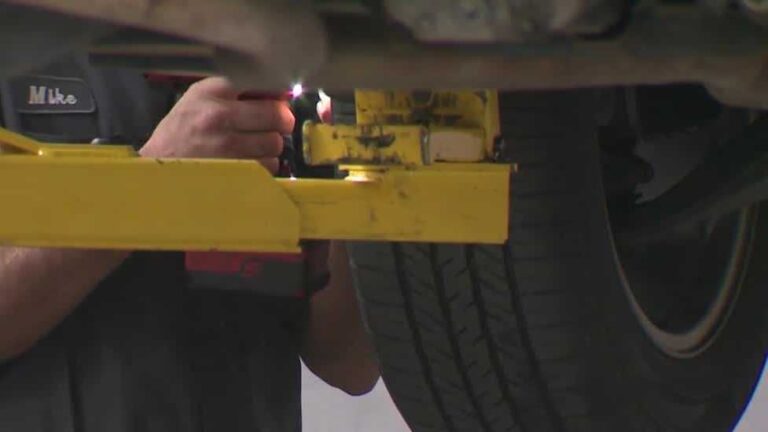
STEADY IN THE AREA. ALL RIGHT ERIC, THANKS SO MUCH. NOBODY WANTS TO BE STRANDED IN THE COLD. AND WITH THAT WINTER STORM AHEAD, LIKE WE’VE BEEN TALKING ABOUT, ONE MECHANIC SAYS SOME QUICK CHECKS CAN KEEP YOU SAFE ON THE ROAD. THAT’S RIGHT. AS SEVEN KEEPS YOU SAFE, WE HAVE A CAR. EXPERTS MUST DO LIST. LET’S GO LIVE TO OUR OWN ALYSSA MUNOZ. ALYSSA, WHAT DO WE NEED TO DO FIRST? GOOD MORNING GUYS. WILL LIKELY TOMORROW OR FRIDAY. IF YOU WAKE UP, YOU MIGHT SEE SOME FROST ON YOUR WINDSHIELD HERE. NOW, THIS MIGHT SEEM LIKE A POSSIBLE SOLUTION TO GET THAT DONE FASTER BY POURING HOT WATER ON IT, BUT THAT CAN ACTUALLY CAUSE CRACKS, SO DON’T DO THAT. IT’S BETTER TO USE EITHER A SCRAPER OR A BRUSH TO GET THAT ICE OFF YOUR WINDSHIELD. NOW HERE’S SOME OTHER ADVICE I GOT FROM A LOCAL SERVICE ADVISEMENT. HE SAYS CHECK YOUR TIRES. GOOD TREAD MATTERS ON ICY OR SNOWY ROADS IF YOUR HEATER IS NOT WORKING, HE SAYS, IT MAY BE BECAUSE YOU NEED COOLANT THAT THEY SAY IS COMMON. AND BEFORE YOU HIT THE ROAD, WARM UP YOUR CAR FOR AT LEAST FIVE MINUTES. THEY SHOULD MAKE SURE, FIRST OFF, THAT ALL THEIR LIGHTS WORK, ESPECIALLY WHEN IT’S LATE. YOU’RE GOING HOME. YOU WANT TO BE ABLE TO SEE WHERE YOU’RE GOING AND ALL THAT, AND THEN MAKE SURE YOU HAVE VISIBILITY THROUGH THE WINDSHIELD. IF YOU NEED TO BRING A BRUSH OR SCRAPER. NOW, IF YOU ARE WARMING UP YOUR CAR IN THE MORNING, MAKE SURE TO AT LEAST STAY IN THE CAR OR MAKE SURE TO LOCK IT T
Winter storm prompts essential car safety tips
Local service adviser shares car-prep and driving tips to stay safe on icy roads
With a winter storm approaching, a local service adviser is offering essential tips to keep drivers safe on icy roads.Diego Santistevan, a local service adviser, emphasized the importance of checking tire tread, as it is crucial for navigating icy or snowy roads. He also advised that if a car’s heater is not functioning, it might be due to a lack of coolant, a common issue during cold weather. Santistevan recommended warming up the car for at least five minutes before driving.”They need to make sure that all their light works, especially when it’s late going home, you want to be able to see where you’re going and all that. Make sure you have visibility through the windshield, you can use a brush or a scraper,” Santistevan said. Additionally, Santistevan highlighted the importance of either staying in the car or locking the doors while warming it up to prevent theft. Lastly, he urged drivers to proceed carefully and slowly on the roads to ensure everyone’s safety.
With a winter storm approaching, a local service adviser is offering essential tips to keep drivers safe on icy roads.
Diego Santistevan, a local service adviser, emphasized the importance of checking tire tread, as it is crucial for navigating icy or snowy roads. He also advised that if a car’s heater is not functioning, it might be due to a lack of coolant, a common issue during cold weather.
Santistevan recommended warming up the car for at least five minutes before driving.
“They need to make sure that all their light works, especially when it’s late going home, you want to be able to see where you’re going and all that. Make sure you have visibility through the windshield, you can use a brush or a scraper,” Santistevan said.
Additionally, Santistevan highlighted the importance of either staying in the car or locking the doors while warming it up to prevent theft. Lastly, he urged drivers to proceed carefully and slowly on the roads to ensure everyone’s safety.
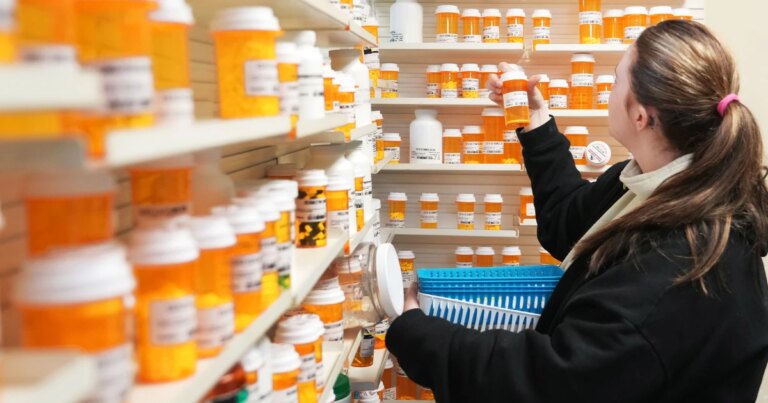
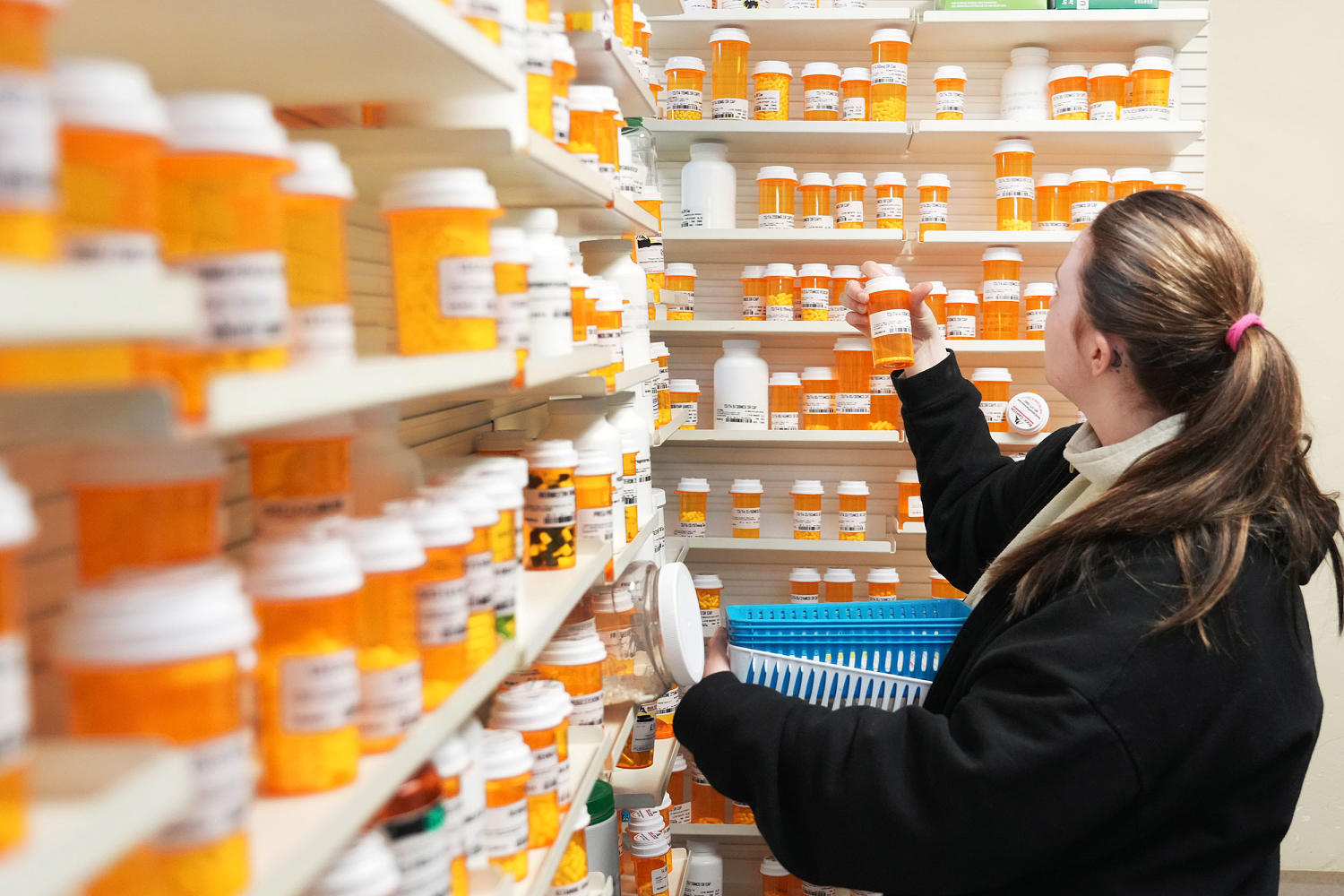
President Donald Trump’s deals with pharmaceutical companies are likely to have only a limited impact on Americans’ drug spending, experts say.
Since Sept. 30, the Trump administration has struck deals with 14 drugmakers in exchange for tariff relief, according to the White House.
The agreements — which haven’t gone into effect yet — adopt a “most favored nation” pricing model. They tie U.S. prices to those paid in other wealthy countries, lowering what Medicaid pays for the drugs, as well as offer discounts for people paying in cash through TrumpRx, a new self-pay platform.
Most of the deals, however, don’t affect what people with private insurance or Medicare pay for the drugs. People with Medicaid — who typically have minimal or no copays for prescriptions — already pay very little.
“Generally speaking, most people with insurance coverage will continue to be better off using their insurance to obtain medications rather than purchasing through the TrumpRx direct-to-consumer portal,” said Juliette Cubanski, deputy director of the program on Medicare Policy at KFF, a nonpartisan health policy research group.
Many aspects of the deals remain unknown.
“There’s virtually nothing on paper about them except for press releases,” said Richard Frank, director of the center on health policy at the Brookings Institution, a nonpartisan think tank. “It’s not clear.”
A full list of drugs covered under the deals isn’t available. However, the White House has announced several of them, including Merck’s diabetes drug Januvia, Sanofi’s blood thinner Plavix, Amgen’s cholesterol-lowering drug Repatha, Genentech’s flu medication Xofluza, Gilead Sciences’ hepatitis C medication Epclusa, Novartis’ multiple sclerosis drug Mayzent and Novo Nordisk’s and Eli Lilly’s blockbuster weight loss drugs Wegovy and Zepbound.
Two of those drugs are already subject to Medicare price negotiations under President Joe Biden’s Inflation Reduction Act: Januvia was included in the first round, while Wegovy is part of the second.
Some of the discounts made public are steep reductions off the list prices. Epclusa, for example, will cost $2,425 for people paying in cash through TrumpRx, down from $24,920. And the average monthly cost for Wegovy and Zepbound — which are currently available for $500 out of pocket — will start at $350 and drop to $250 within the next two years.
Art Caplan, the head of the medical ethics division at NYU Grossman School of Medicine in New York City, said that without a full list of drugs covered by the deals, it’s difficult to assess their overall impact.
Some of the drugs that have been named, Caplan said, aren’t among the costliest in the U.S., or they already have generic versions that are typically cheaper for patients.
Several generics are available for Plavix, including one sold by the drugmaker itself, for example. The hepatitis C drug Epclusa is also available as a generic. Some of the drugs that got price cuts but don’t have generic equivalents are used by relatively few patients, Caplan said, and have a “tiny” impact on overall drug spending.
Another drug, Xofluza, must be taken within 48 hours of the onset of flu symptoms, which could make it a poor fit for an online platform like TrumpRx, he said.
In an email, a White House spokesperson said some of the lower prices will be available on TrumpRx “early this year” and for Medicaid “in the coming months.” The administration hasn’t yet released “a comprehensive figure” on expected out-of-pocket savings, the spokesperson added.
Stacie Dusetzina, a health policy professor at Vanderbilt University in Nashville, Tennessee, said that for people without insurance or those with high-deductible plans, TrumpRx could offer meaningful savings compared with list prices.
An estimated 26 million people in the U.S., or 8%, didn’t have insurance in 2023, according to the U.S. Census Bureau.
But for most people with insurance, she said, buying drugs through the platform is unlikely to be the better option — particularly for brand-name medications.
Even with lower prices, “we’re usually talking about hundreds of dollars per fill, and that ends up being a real problem for most people,” Dusetzina said.
Cubanski said that even large discounts may not make the drugs affordable for many patients paying out of pocket.
“A 50% discount on a $500 drug is nothing to sneeze at,” she said, “but a lot of people will still struggle to pay $250 out of pocket on a monthly basis.”
The potential savings from extending the most favored nation pricing to state Medicaid programs are even harder to gauge, Cubanski said, because the details of the agreements haven’t been made public. And even if states pay less, Medicaid enrollees themselves wouldn’t see savings at the pharmacy counter.
“These deals won’t produce savings for Medicaid enrollees, since they already pay little to no cost sharing for drugs,” she said.
Caplan said Medicaid already pays the lowest prices for drugs in the U.S. “It’s not clear where the money would be saved,” he said.
Drugmakers raise prices
Trump’s push is also unfolding alongside a wave of price increases by drugmakers.
This year, drug companies have raised the prices of more than 350 brand name drugs, Reuters reported, citing research from 3 Axis Advisors, a health care consulting and research firm. The average price hikes were around 4%, the report said, in line with price increases last year.
Frank, of the Brookings Institution, was skeptical of the agreements, saying it’s possible the price cuts could be repackaged discounts that drugmakers were planning or already offering.
“If companies choose what drugs are included in the deal, it’s fair to assume they’re not going to pick the ones that have the largest impact on revenue,” Frank said.
“Until we see that there’s actually a real contract in place that is actually committing folks to a change in prices, it’s hard to say that anything is going to happen,” he added. “It’s not necessarily that the deals are trivial, but rather they’re not solid enough. In some cases, they may not be significant at all.”
At the same time, people’s health insurance premiums have surged this year as enhanced Affordable Care Act subsidies expired and health insurers raised rates. It remains unclear whether Congress will be able to work together to pass legislation to extend the tax credits.
Dusetzina said that if people can’t pay for health insurance, it’s unlikely they would find prescription drugs — even at discounts — affordable.
“A lot of people would not find the prices available to be affordable,” she said.
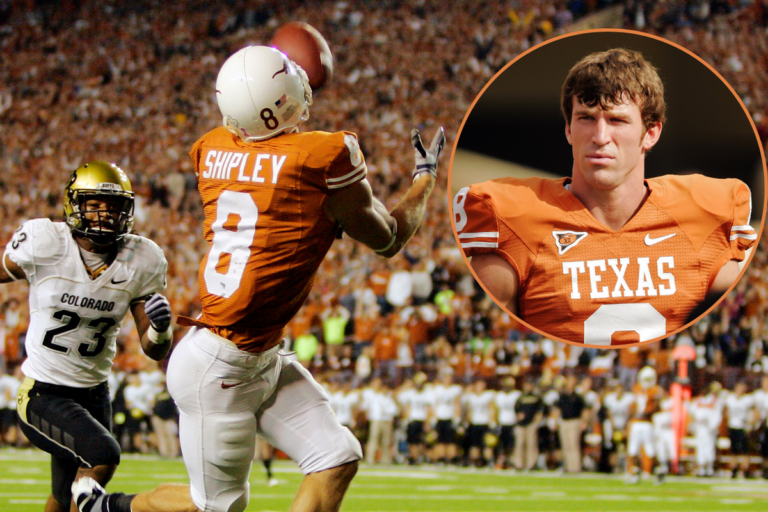
Former Texas Longhorns wide receiver Jordan Shipley is in “critical” but stable condition after suffering severe burns in an accident at his family’s ranch.
The 40-year-old was injured when a machine he was operating caught fire near his hometown of Burnet, Texas, on Tuesday (Jan. 6), according to a statement released by his family through the University of Texas athletics department.
“Jordan was involved in an accident this afternoon near his hometown of Burnet,” the statement read. “He was operating a machine on his ranch when it caught fire. He was able to free himself, but not before sustaining severe burns on his body.”
Shipley managed to reach one of his ranch workers, who drove him to a nearby hospital. He was later airlifted to Austin, where he remains hospitalized.
Family + Faith
Shipley’s younger brother, Jaxon — also a former Longhorns wide receiver — shared a heartfelt message on social media asking for prayers for Jordan’s recovery.
“Please pray for full healing and no infections or other issues on his road to recovery,” Jaxon wrote. “His life was spared today by the grace of God and the sheer will to live.”
Their father, longtime Texas high school football coach Bob Shipley, shared an update on Facebook, writing that Jordan has undergone several surgeries to treat his burns and that the biggest threats now are infection and pneumonia.
A Life Rooted in Family + Faith
Jordan lives in Texas with his wife, Sunny, and their two young sons.
According to his Instagram, the former NFL star runs Shipley Ranches, a family-owned real estate and cattle business, where his brother Jaxon also works.
For the Shipleys — a family well-known across Texas for their faith, football and community roots — the coming weeks will be critical as Jordan begins his long road to recovery.
Country Star Homes Devastated By Fire
At least two artists on this list of country star home fires were better for it, professionally. One legend used the tragedy to inspire greatness, while a second newcomer actually wrote his first No. 1 hit about the blaze.
Over a dozen country stars have watched their homes go up in flames. Here are their stories.
Shell warned that a weak oil-trading performance would weigh on its earnings, compounding what is shaping up to be a challenging period as prices continue to slide.
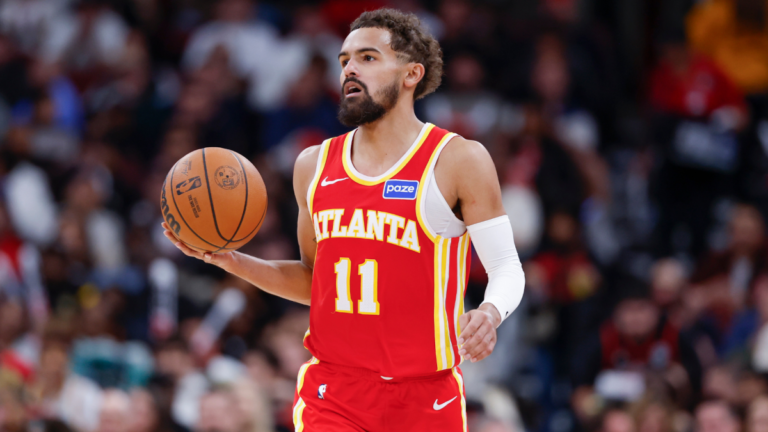
The Atlanta Hawks are trading Trae Young to the Washington Wizards, according to ESPN. The Wizards will send CJ McCollum and Corey Kispert to Atlanta in the deal. There is reportedly no draft compensation in the deal. The trade marks the end of Young’s seven-plus-season tenure with the Hawks. The man who drafted him for the Hawks, Travis Schlenk, is currently the vice president of player personnel for the Wizards, so the two will now reunite in Washington and attempt to finish what they started in Atlanta.
Young’s tenure with the Hawks began with quite a bit of promise. In just his third NBA season, Young led the Hawks to the 2021 Eastern Conference finals, and had he not been hurt in the series, Atlanta might have gone even further. He’s made four All-Star Games as a Hawk, including last season, and even earned All-NBA honors in 2022, establishing himself as Atlanta’s franchise player for the better part of the past decade.
But a few things have changed of late that conspired to push Young toward a trade. Atlanta’s front office has turned over multiple times during Young’s career, with the current group led by Onsi Saleh taking over last offseason. He was on his third permanent head coach in Atlanta as well, with Quin Snyder taking the job in 2023. That meant that many of the decision-makers that built around him early in his career were gone.
This season, the Hawks underperformed with Young on the floor. Meanwhile, when he sat, the Hawks shared the ball, played faster and, more importantly, played better defense than they ever had with the small, often indifferent defensively Young. This is indicative of a league-wide shift. The NBA is simply less interested in small, defensively-deficient guards that can’t shoot well enough to play off of the ball than it used to, as characterized by the seemingly limited trade interest Ja Morant has drawn this season well. Such players can still have a place on competitive teams, but not at max salaries.
Atlanta was staring down the barrel of a $49 million player option for Young next season that would have deprived them of significant flexibility to build around their younger cornerstones. By moving Young now, they set themselves up to either generate significant cap space in the summer or use that flexibility to trade for another veteran like Anthony Davis now.
Trae Young trade rumors: Why a Hawks-Wizards deal would make sense for both sides
Sam Quinn
The Wizards, with nearly limitless cap flexibility on a roster devoid of expensive veterans, had no such issues with Young’s cap figure. They could afford to take a buy-low risk on Young with the idea that he could help develop their raw, younger players. As talented as many of their recent first-round picks are, having a traditional point guard on board to set them up will only make their lives easier. Now the Wizards, who have not reached the playoffs since 2021, have taken their first true steps out of the lottery and toward competing for the postseason.
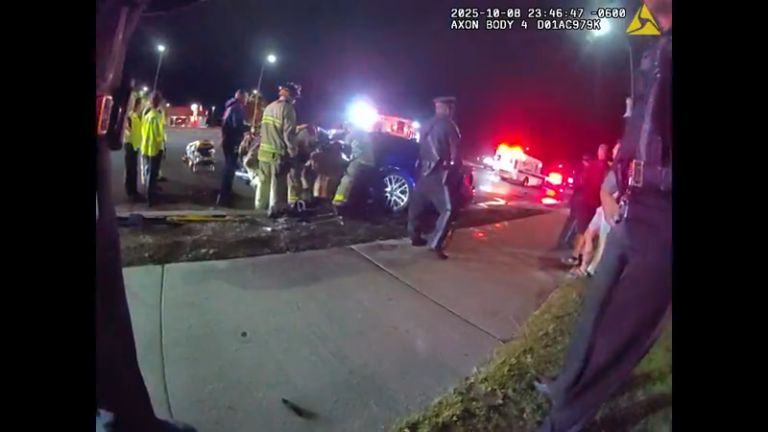
ALBUQUERQUE, N.M. (KRQE) – A man is accused of fleeing from an officer, driving the wrong way, and crashing into a woman. That woman is now suing New Mexico State Police, claiming they are partially responsible for the incident. The dangerous crash, which occurred in October 2024, has left her with severe injuries and a […]






 No. 6
No. 6 
 No. 1
No. 1