Home Blog Page 369

St. Vincent did not give US authorization for deadly boat strikes, prime minister says

0


SAN JOSÉ, Costa Rica — The prime minister of St. Vincent and the Grenadines said Tuesday that his government did not give the U.S. authorization for a recent strike on an alleged drug boat in local waters that killed three people.

Prime Minister Godwin Friday said at a press conference that his administration found out about the deadly Feb. 13 strike through social media and online reports.

“There has been no direct communication with respect to the strikes with us,” he said, adding that Caribbean leaders are concerned. “It was agreed that this is a serious matter because of the risk that it poses potentially to our people going about their normal business. … People plying the waters want to know that they’re safe.”

The U.S. military said that three people were killed in the strikes, but did not confirm their identities.

Relatives of a boat captain from St. Lucia recently told The Associated Press that they believe Ricky Joseph, a 35-year-old father of four, was killed in the strike because he remains missing and had departed in a boat like the one shown after the strike in pictures posted on social media.

Friday said that Caribbean leaders recently met to talk among themselves about security and safety concerns of U.S. drone strikes “in our waters.”

He said Caribbean leaders who met last week in St. Kitts for a regional summit that U.S. Secretary of State Marco Rubio attended “agreed that this was a serious matter that will affect all of us” and that they would pursue it with U.S. authorities.

The strikes began in early September and have killed at least 151 people as the administration of U.S. President Donald Trump targets those it calls “narcoterrorists” in small vessels.

Friday said Caribbean officials also discussed with Rubio a request to use St. Vincent and other Caribbean nations as transit points for migrants intercepted at the U.S. southern border pending their repatriation to their countries of origin.

“I emphasized that for any such transit program to proceed… that it must be clearly defined, transparent and manageable for… a country of our size, with our limitations,” Friday said.

He said he requested data regarding the number of people in transit and specific time frames spent at transit points as he questioned what would be the legal status of such migrants while in Caribbean countries and what would happen if they cannot be repatriated.

“The aim is to have a coordinated approach,” Friday said, noting that there’s a free movement of people within the Organization of Eastern Caribbean States.

Friday said Caribbean leaders at last week’s summit also agreed to send humanitarian assistance to Cuba “to help to ease the current dire situation.”

He said the effort will be coordinated by the secretariat of Caricom, a 15-member regional trade bloc.


Source link

Trump says an insider may be best to lead Iran after strikes

0


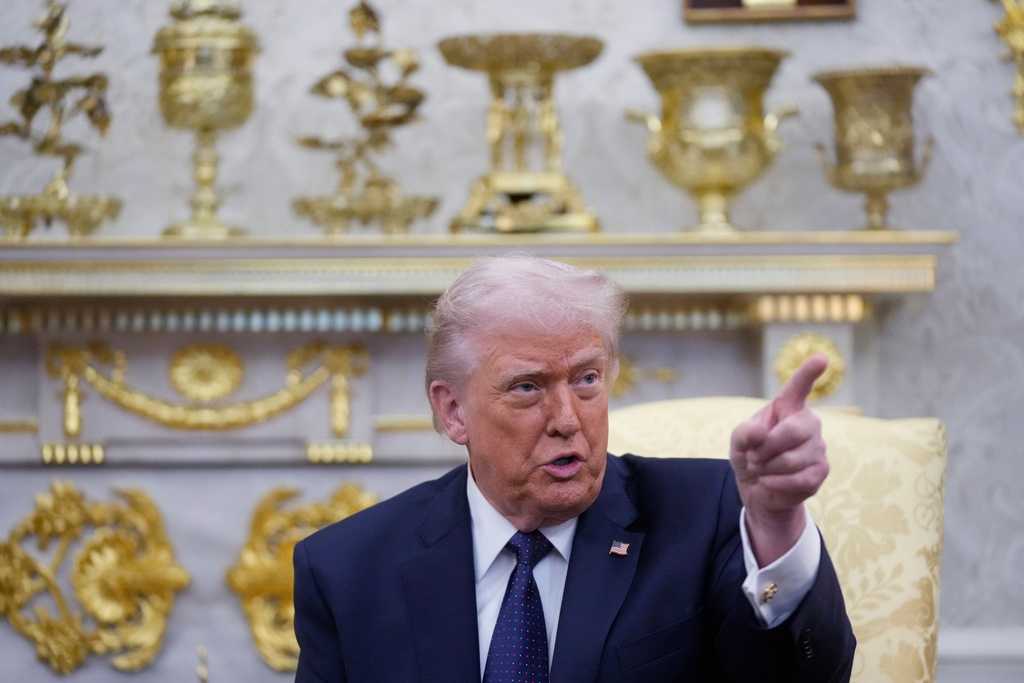
President Donald Trump on Tuesday said that “someone from within” the Iranian regime might be the best choice to take power once the U.S.-Israel military campaign is completed — but said “most of the people we had in mind are dead.”The president, who four days ago had emphatically called on Iranians to “take over your government” once the U.S.-Israel bombardment ends, appeared to drift further away from the idea that the war presents an opportunity to end the theocratic rule that has been in place since the country’s 1979 Islamic revolution.Trump said that many Iranian officials his administration had viewed as potential new leaders for the country had been killed in the U.S.-Israeli campaign that killed Iranian Supreme Leader Ali Khamenei and many other top officials.Trump has not publicly identified anyone whom he views as a credible future leader for Iran. And it’s unclear what, if any, outreach the White House had with Iranian officials since the war started.”Most of the people we had in mind are dead,” he said in an exchange with reporters in the Oval Office. “Now we have another group, they may be dead also, based on reports. So you have a third wave coming. Pretty soon we’re not going to know anybody.”Trump said Reza Pahlavi, the exiled crown prince of Iran’s last shah who is trying to position himself for a return should Iran’s Shiite theocracy fall, is not someone that his administration has considered in depth to take over leadership in Iran.”It would seem to me that somebody from within maybe would be more appropriate,” Trump said, adding that it may make sense for “somebody that’s there, that’s currently popular, if there is such a person” to emerge from the power vacuum.Trump’s comments came as he hosted German Chancellor Friedrich Merz for his first in-person engagement with a foreign leader since the U.S. and Israel launched the war against Iran.Trump said he wanted to avoid a “worst case” scenario where “somebody takes over who’s as bad as the previous person.””That could happen. We don’t want that to happen,” Trump added. “You go through this, and then in five years you realize you put somebody in who was no better.”Video below: Trump addresses the latest with IranThe White House is trying to counter criticismThe White House has stepped up its push to counter criticism that it moved unnecessarily quickly to launch a war of choice against Iran.Trump’s decision to strike last week followed lengthy negotiations by the president’s envoy Steve Witkoff and son-in-law Jared Kushner with the Iranians — talks the U.S. increasingly viewed as an effort to stall any progress.After the most recent round of discussions in Geneva, Switzerland, last week, Witkoff and Kushner told Trump that reaching a nuclear agreement similar to one that former President Barack Obama struck in 2015 was possible, according to a senior administration official.The official, who briefed journalists on condition of anonymity, described it as a potential “Obama-plus deal” and Witkoff and Kushner believed such an agreement would take months, but was possible.Still, even as they expressed their willingness to pursue diplomacy and “fight for every point that we can” if that’s what Trump wanted, the negotiators stressed to the president that the Iranians were not willing to make a deal that would be satisfactory to the U.S.Trump snaps at the UK’s StarmerMeanwhile, Trump sharply criticized British Prime Minister Keir Starmer on Tuesday for Britain’s reluctance to join the U.S.-Israeli strikes on Iran.”This is not Winston Churchill that we’re dealing with,” Trump said, blasting Britain’s reluctance to let U.S. warplanes use its bases.Starmer had initially blocked American planes from using British bases for the attacks on Iran that started on Saturday. He later agreed to let the United States use bases in England and on Diego Garcia in the Indian Ocean to strike Iran’s ballistic missiles and their storage sites, but not to hit other targets.Trump disputes that Israel forced his handThe president also sought to push back on criticism from some of his staunchest allies over the decision to go to war — questions that grew louder after Secretary of State Marco Rubio said on Monday that the U.S. had decided to strike because “we knew that there was going to be an Israeli action.””And we knew that if we didn’t preemptively go after them before they launched those attacks, we would suffer higher casualties,” Rubio said.But Trump rejected the notion that the White House had been dragged into the conflict by Israel. “We were having negotiations with these lunatics, and it was my opinion that they were going to attack,” Trump said. “If anything, I might have forced Israel’s hand.”Merz said during his visit with Trump at the Oval Office that Germany is “looking forward to the day after” the Iran war is over.He said Berlin wants to work with the U.S. on a strategy for when the current Iranian government no longer exists.”We are having a high interest in common approach and common work and what we can do,” Merz said. “And this is this is important not just for the Americans,” he said. “This is extremely important for Europe and extremely important for Israel and their security.”Merz also noted surging oil prices were damaging the world economy, laying down an argument for finding a quick endgame to the conflict.The president acknowledged that oil and gas prices were going to rise as the U.S. remains engaged in the strikes — yet argued it would be fleeting.”We have a little high oil prices for a little while, but as soon as this ends, those prices are going to drop, I believe, lower than even before,” Trump said.The average price for a gallon of gasoline in the U.S. jumped 11 cents overnight Tuesday to about $3.11 in the United States, according to the AAA.___AP writers Kirsten Grieshaber in Berlin, Fatima Hussein and Michelle L. Price in Washington, and Jill Lawless in London contributed reporting.

President Donald Trump on Tuesday said that “someone from within” the Iranian regime might be the best choice to take power once the U.S.-Israel military campaign is completed — but said “most of the people we had in mind are dead.”

The president, who four days ago had emphatically called on Iranians to “take over your government” once the U.S.-Israel bombardment ends, appeared to drift further away from the idea that the war presents an opportunity to end the theocratic rule that has been in place since the country’s 1979 Islamic revolution.

Trump said that many Iranian officials his administration had viewed as potential new leaders for the country had been killed in the U.S.-Israeli campaign that killed Iranian Supreme Leader Ali Khamenei and many other top officials.

Trump has not publicly identified anyone whom he views as a credible future leader for Iran. And it’s unclear what, if any, outreach the White House had with Iranian officials since the war started.

“Most of the people we had in mind are dead,” he said in an exchange with reporters in the Oval Office. “Now we have another group, they may be dead also, based on reports. So you have a third wave coming. Pretty soon we’re not going to know anybody.”

Trump said Reza Pahlavi, the exiled crown prince of Iran’s last shah who is trying to position himself for a return should Iran’s Shiite theocracy fall, is not someone that his administration has considered in depth to take over leadership in Iran.

“It would seem to me that somebody from within maybe would be more appropriate,” Trump said, adding that it may make sense for “somebody that’s there, that’s currently popular, if there is such a person” to emerge from the power vacuum.

Trump’s comments came as he hosted German Chancellor Friedrich Merz for his first in-person engagement with a foreign leader since the U.S. and Israel launched the war against Iran.

Trump said he wanted to avoid a “worst case” scenario where “somebody takes over who’s as bad as the previous person.”

“That could happen. We don’t want that to happen,” Trump added. “You go through this, and then in five years you realize you put somebody in who was no better.”

Video below: Trump addresses the latest with Iran

The White House is trying to counter criticism

The White House has stepped up its push to counter criticism that it moved unnecessarily quickly to launch a war of choice against Iran.

Trump’s decision to strike last week followed lengthy negotiations by the president’s envoy Steve Witkoff and son-in-law Jared Kushner with the Iranians — talks the U.S. increasingly viewed as an effort to stall any progress.

After the most recent round of discussions in Geneva, Switzerland, last week, Witkoff and Kushner told Trump that reaching a nuclear agreement similar to one that former President Barack Obama struck in 2015 was possible, according to a senior administration official.

The official, who briefed journalists on condition of anonymity, described it as a potential “Obama-plus deal” and Witkoff and Kushner believed such an agreement would take months, but was possible.

Still, even as they expressed their willingness to pursue diplomacy and “fight for every point that we can” if that’s what Trump wanted, the negotiators stressed to the president that the Iranians were not willing to make a deal that would be satisfactory to the U.S.

Trump snaps at the UK’s Starmer

Meanwhile, Trump sharply criticized British Prime Minister Keir Starmer on Tuesday for Britain’s reluctance to join the U.S.-Israeli strikes on Iran.

“This is not Winston Churchill that we’re dealing with,” Trump said, blasting Britain’s reluctance to let U.S. warplanes use its bases.

Starmer had initially blocked American planes from using British bases for the attacks on Iran that started on Saturday. He later agreed to let the United States use bases in England and on Diego Garcia in the Indian Ocean to strike Iran’s ballistic missiles and their storage sites, but not to hit other targets.

Trump disputes that Israel forced his hand

The president also sought to push back on criticism from some of his staunchest allies over the decision to go to war — questions that grew louder after Secretary of State Marco Rubio said on Monday that the U.S. had decided to strike because “we knew that there was going to be an Israeli action.”

“And we knew that if we didn’t preemptively go after them before they launched those attacks, we would suffer higher casualties,” Rubio said.

But Trump rejected the notion that the White House had been dragged into the conflict by Israel. “We were having negotiations with these lunatics, and it was my opinion that they were going to attack,” Trump said. “If anything, I might have forced Israel’s hand.”

Merz said during his visit with Trump at the Oval Office that Germany is “looking forward to the day after” the Iran war is over.

He said Berlin wants to work with the U.S. on a strategy for when the current Iranian government no longer exists.

“We are having a high interest in common approach and common work and what we can do,” Merz said. “And this is this is important not just for the Americans,” he said. “This is extremely important for Europe and extremely important for Israel and their security.”

Merz also noted surging oil prices were damaging the world economy, laying down an argument for finding a quick endgame to the conflict.

The president acknowledged that oil and gas prices were going to rise as the U.S. remains engaged in the strikes — yet argued it would be fleeting.

“We have a little high oil prices for a little while, but as soon as this ends, those prices are going to drop, I believe, lower than even before,” Trump said.

The average price for a gallon of gasoline in the U.S. jumped 11 cents overnight Tuesday to about $3.11 in the United States, according to the AAA.

___

AP writers Kirsten Grieshaber in Berlin, Fatima Hussein and Michelle L. Price in Washington, and Jill Lawless in London contributed reporting.


Source link

SEBASTIAN BACH To Front Reunited TWISTED SISTER For Select Fall Dates

0


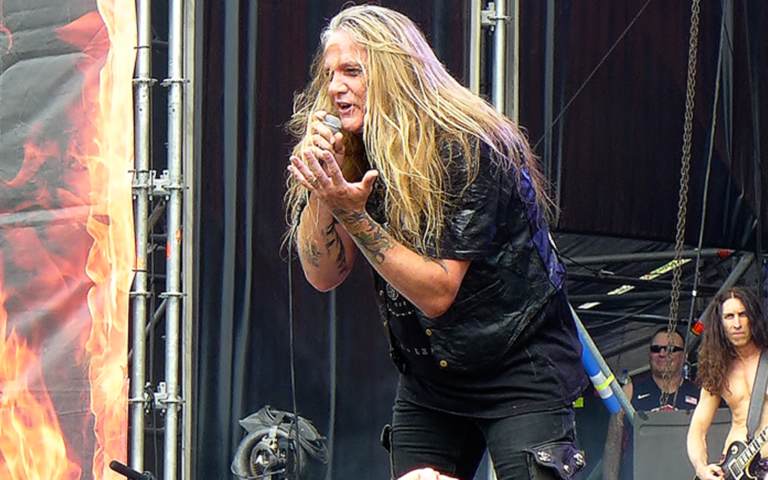
Members of Twisted Sister – guitarist Jay Jay French and guitarist Eddie Ojeda – have announced that former Skid Row frontman Sebastian Bach will handle lead vocals for a handful of dates this fall. No dates have yet been announced, but hey – Twisted Sister in 2026 is a go.

On the shows, Twisted Sister stated: “Twisted Sister members Jay Jay French and Eddie Ojeda are thrilled to announce that iconic vocalist and front man Sebastian Bach will be fronting the band for a handful of select dates this fall. These appearances do not affect or conflict with Sebastian‘s current or future solo touring schedule, which remains fully intact.”

On February 5, Twisted Sister scrapped its planned 2026 reunion shows after singer Dee Snider resigned due to health issues. The band cited his “sudden and unexpected resignation” and canceled all dates from April through early summer.

Snider later revealed he has been battling degenerative arthritis and has undergone multiple surgeries in recent years. He also disclosed that the physical toll of decades of high-intensity performances has affected his heart.

“The idea of slowing down is unacceptable to me. I’d rather walk away than be a shadow of my former self,” Snider stated, referencing the famous line from Dirty Harry: “A man’s got to know his limitations.”

The now-canceled 2026 reunion was set to feature Snider alongside French and Ojeda. Bassist Mark Mendoza was not scheduled to participate, with Russell Pzütto stepping in. Drummer Joe Franco was to replace the late A.J. Pero, who passed away in 2015.

French and Ojeda have indicated they will evaluate the future of the band in the coming weeks. For now, fans can expect to see Sebastian Bach stepping into one of hard rock’s most iconic roles for select appearances this fall.

Want More Metal? Subscribe To Our Daily Newsletter

Enter your information below to get a daily update with all of our headlines and receive The Orchard Metal newsletter.


Source link

GitLab Sees AI Agent Platform, Hybrid Pricing Driving Growth

0


The provider of software-development tools saw revenue increase by 23% in the latest quarter.


Source link

Pistons vs. Cavaliers prediction, odds, line, start time: 2026 NBA picks for Tuesday, March 3

0


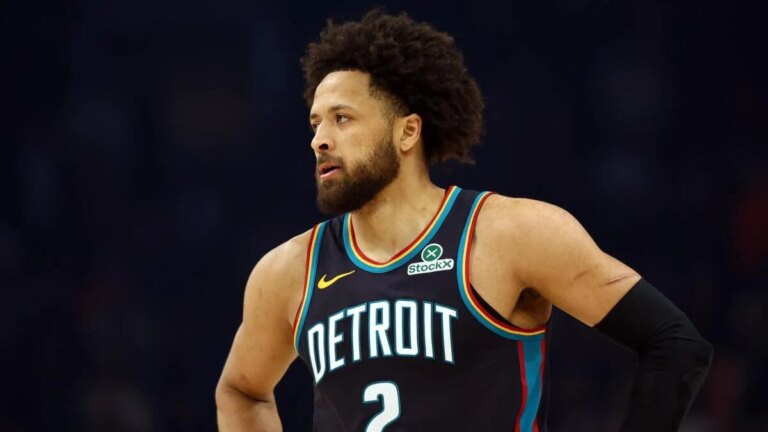
The Detroit Pistons, the top seed in the Eastern Conference, will look to win their fourth game in a row when they take on the Cleveland Cavaliers in a key NBA Central Division matchup on Tuesday night. Detroit is coming off a 106-92 win at Orlando on Sunday, while Cleveland downed Brooklyn 106-102 that same day. The Pistons (45-14), who have won eight of their last 10, are 21-7 on the road this season. The Cavaliers (38-24), who have won seven of their last 10, are 20-11 on their home court in 2025-26. Donovan Mitchell (groin) is out for Cleveland.

Tipoff from Rocket Arena in Cleveland is set for 7 p.m. ET. Detroit is a 2.5-point favorite in the latest Cavaliers vs. Pistons odds from. DraftKings Sportsbook, while the over/under for total points scored is 228.5. Before making any Pistons vs. Cavaliers picks, check out the NBA predictions and betting advice from the SportsLine Projection Model.

New users can target the DraftKings promo code, which offers $200 in bonus bets if your first $5+ bet wins:

The SportsLine Projection Model simulates every NBA game 10,000 times and has returned well over $10,000 in betting profit for $100 players on its top-rated NBA picks over the past eight-plus seasons. The model entered Week 20 on a sizzling 41-18 roll on top-rated NBA spread picks dating back to last season. Anyone following its NBA betting advice at sportsbooks and on betting apps could have seen huge returns.    

Now, the model has simulated Pistons vs. Cavaliers 10,000 times and just revealed its coveted NBA picks and betting predictions. You can head to SportsLine now to see the model’s picks. Here are several NBA odds and NBA betting lines for Cavaliers vs. Pistons:

Pistons vs. Cavaliers spread:    

Detroit -2.5 at DraftKings    

Pistons vs. Cavaliers over/under:    

228.5 points

Pistons vs. Cavaliers money line:

Detroit -147, Cleveland +124

Pistons vs. Cavaliers picks:    

See picks at SportsLine

Pistons vs. Cavaliers streaming:

Fubo (Try for free)   

New users can also target the latest Underdog promo code CBSSPORTS2, good for $75 in fantasy bonus entries when you play $5 in select states.

Top Pistons vs. Cavaliers predictions

After 10,000 simulations of Pistons vs. Cavaliers, SportsLine’s model is going Under on the total (228.5). The Under has hit in seven of the past 10 head-to-head matchups between the teams. The Under has hit in five of the last nine Detroit games, and in the last Cleveland game. The Pistons are 6-4 against the spread in their last 10 games. The Cavaliers, meanwhile, are 5-5 ATS in their last 10.

The SportsLine model is projecting the Pistons’ Cade Cunningham to score 24.5 points on average and be one of four Detroit players to score 11.7 or more points. The Cavaliers’ James Harden, meanwhile, is projected to score 19.9 points as five Cleveland players score 10.2 points or more. The teams are projected to combine for 227 points.

How to make Cavaliers vs. Pistons picks

The model also says one side of the spread hits more than 50% of the time. You can head to SportsLine to see the model’s NBA picks

So who wins Cavaliers vs. Pistons, and which side of the spread hits more than 50% of the time? Visit SportsLine now to see which side of the Pistons vs. Cavaliers spread to back, all from the model that has returned well over $10,000 on top-rated NBA picks, and find out.


Source link

OpenAI alters deal with Pentagon as critics sound alarm over surveillance

0


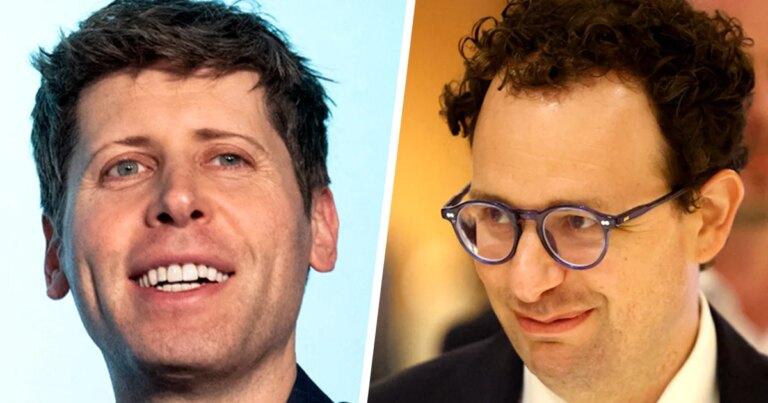
OpenAI CEO Sam Altman unveiled a reworked agreement with the Pentagon Monday night governing the Defense Department’s use of its AI services, which he says provides stronger guarantees that the military won’t use OpenAI’s systems for domestic surveillance.

The new agreement states that “the AI system shall not be intentionally used for domestic surveillance of U.S. persons and nationals,” according to a post on OpenAI’s website. OpenAI had faced some backlash as news of an initial agreement between the leading AI company and the Pentagon emerged on Friday. Many observers claimed the original language shared on OpenAI’s website provided ample loopholes for the government to surveil Americans.

The move comes after weeks of intense debates between rival AI company Anthropic and the Pentagon over how the military can use advanced AI systems. While the Defense Department had wanted Anthropic to agree to use its systems for “any lawful purpose,” Anthropic maintained its systems could not be used for domestic surveillance or to control deadly autonomous weapons. Until last week, Anthropic was the only major AI company whose services were actively used on classified networks.

Researchers argue that without guardrails, AI could allow authorities to monitor individuals with unprecedented speed and accuracy, combing through mountains of digital data to track peoples’ movement and behavior.

“It is critical to protect the civil liberties of Americans,” Altman wrote in a post on X Monday night announcing the new contract language that he said better limits domestic surveillance. “The Department also affirmed that our services will not be used by Department of War intelligence agencies (for example, the NSA).”

Katrina Mulligan, head of national security partnerships for OpenAI, added in another post on X Tuesday morning that “defense intelligence components are excluded from this contract,” stipulating that she would be open to future work with the NSA “if the right safeguards were in place.”

OpenAI did not respond to a request for comment.

Many observers remained unswayed Tuesday, concerned that the snippets of OpenAI’s contract with the Pentagon published by the company remained purposefully vague and provided carveouts for domestic surveillance by various intelligence agencies within the Defense Department. The full text of the contract has not been released publicly.

“OpenAI has said that the Department of War contractually agreed not to use ChatGPT in agencies that surveil American people,” said Brad Carson, a former congressman and general counsel of the Army who now leads the Washington D.C. policy group Americans for Responsible Innovation. “They have been happy to show contract language when it benefitted them, but they refuse to release to the public this contractual provision.”

“I’ve reluctantly come to the conclusion that this provision doesn’t really exist, and they are just trying to fake it,” Carson told NBC News. Carson recently founded an AI-focused super PAC which has received $20 million from OpenAI rival Anthropic.

Several legal experts agreed that greater transparency about the entire contract and any other key clauses is necessary to properly evaluate the company’s claims.

“We still need to see the whole contract to say anything with a reasonable level of confidence,” said Brian McGrail, senior counsel at the Center for AI Safety, a nonprofit research and advocacy group “It’s definitely a step in the right direction, and I do want to give OpenAI some credit.”

OpenAI’s agreement with the Pentagon was announced shortly after Defense Secretary Pete Hegseth said he would label rival AI company Anthropic, which had long been in contract negotiations with the Pentagon, a supply chain risk to national security. Anthropic said the designation, which would force the Pentagon and contractors to stop using Anthropic’s services for defense purposes, has never before been publicly applied to an American company.

At an event in Sausalito, California, on Monday, retired Gen. Paul Nakasone, the former director of the National Security Agency and U.S. Cyber Command, said that the Pentagon should work to incorporate all leading American AI companies’ technology into national defense.

“We need Anthropic, we need OpenAI, we need all of our large language model companies to be partnering with our government,” Nakasone, who is a member of OpenAI’s board of directors, said at a conference sponsored by the Aspen Institute. “I think the supply chain piece is not good. The discussions over the weekend and the tenor of those discussions were tough for me to listen to. As an American citizen, someone who served in government, I just think that it’s not right, okay? This is not a supply chain risk.”

Anthropic had long maintained that the Defense Department could not use its AI systems for domestic mass surveillance or for direct use in autonomous weapons, though it added concessions for the military to use its systems for cyber and missile defense purposes in December. After a meeting between Anthropic CEO Dario Amodei and Hegseth last Tuesday, the Defense Department issued an ultimatum for Anthropic to reach an agreement by 5 p.m. ET Friday.

However, on Thursday, an Anthropic spokesperson told NBC News the Defense Department’s latest “language framed as compromise was paired with legalese that would allow those safeguards to be disregarded at will.”

But as Anthropic’s relationship with the Defense Department broke down, OpenAI’s deepened, with Friday’s announcement of a contract adding a fresh round of intrigue to a story that had already captivated much of the tech and defense community. In his post Monday night, Altman said the rush to ink a deal made the negotiations look “opportunistic and sloppy” even though OpenAI was “genuinely trying to de-escalate things and avoid a much worse outcome.”

Throughout the weekend and early this week, an army of legal experts have examined the latest public contract language from OpenAI, trying to determine whether the company’s terms had actually added any substantive protections beyond the Defense Department’s “any lawful use” standard.

“I am confused about why the Pentagon would accept this language when they just tried to nuke Anthropic for asking for something very similar to this,” Charlie Bullock, senior research fellow at the Institute for Law and AI think tank, wrote on X after the updated language emerged.

Many legal experts argue that each word in the contract carries significant weight, as they say the government will take the widest possible reading of the contract’s terms.

“The pattern we’ve seen play out time and again in these surveillance debates is that the intelligence and national security community ends up interpreting exceptions in an extremely broad fashion, far more broadly than any normal reasonable person,” McGrail said. “And because so much of it is secret, there’s limited visibility for the public to push back.”

“So could there be some new loophole to be exploited here that we aren’t predicting? It’s totally possible,” McGrail added.

Experts have also focused on whether the contract is permanently anchored in today’s notions of legality, as they worry the government could alter the boundaries of “any lawful use” by issuing new executive orders or legal opinions.

The recent debate over military use of AI for domestic surveillance has particularly focused on the government’s ability to use commercially available data in its operations, as other methods for surveilling Americans can prove more difficult to gain legal approval.

For years, companies providing or displaying ads on phones or laptops have been able to compile targeted data about users, including precise location data, and sell that information to various government agencies to identify individuals’ travel and behavioral patterns.

Mulligan, OpenAI’s national security leader, said in a Monday night X post that the contract’s “new language reinforces that domestic surveillance is disallowed under this agreement, including involving commercially acquired information.”

Sen. Ron Wyden, D-Ore., who has in recent years has repeatedly warned that the federal government buys commercially available data on Americans for surveillance purposes, criticized the Pentagon for not acquiescing to Anthropic’s privacy concerns.

“The Defense Department is throwing a fit over Anthropic asking for the bare minimum ethical guardrails on how DOD uses its product,” Wyden said in an emailed statement. “That’s serious cause for alarm, given AI’s ability to turn disparate pieces of public or commercial data into highly revealing profiles of Americans. Location data, web browsing records, and information about mental health, political activities and religious affiliations are all available for pennies on the open market and could make Americans targets for doing things that are completely legal.”

“Creating AI profiles of Americans based on that data represents a chilling expansion of mass surveillance that should not be allowed, regardless of what the current, outdated laws on the books say.”

Amodei, the Anthropic CEO, has repeatedly remarked that firmer commitments from the Defense Department to not use AI to surveil Americans are necessary because the law has not caught up to AI’s increasingly powerful capability to analyze or parse vast troves of data. Recent research has also shown that individuals can be identified by today’s AI systems, even if the underlying data has purportedly been anonymized.

Protestors of OpenAI’s initial deal with the Pentagon surrounded OpenAI’s San Francisco headquarters this weekend with chalk messages encouraging employees to remain skeptical of the company’s terms, while uninstalls of OpenAI’s ChatGPT app surged following news of the agreement.

Michael Horowitz, former deputy assistant secretary of defense for emerging capabilities and current professor of political science at the University of Pennsylvania, told NBC News that the dispute between the Pentagon and Anthropic went beyond the simple contract terms.

“This dispute reflects a breakdown in trust between Anthropic and the Pentagon, where Anthropic does not trust that the Pentagon will use their tech responsibly, and the Pentagon doesn’t trust that Anthropic will allow its tech to be used for what the Pentagon views as important national security use cases,” Horowitz said. “Part of that is cultural differences, part of that is politics, part of that is personalities.”

Source link

NMAA announces correction to girls 4A basketball bracket

0


NEW MEXICO (KRQE) – The NMAA has announced an error in the girls class 4A basketball bracket. Due to the error, seeds 11-15 were misplaced. The issue surrounded the comparison process of St. Pius X, Espanola Valley and Shiprock. In the updated bracket, the seeding is now 11-Shiprock, 12- St. Pius X, 13-Grants, 14-Espanola Valley and […]


Source link

Alan Jackson Delivered Mail to the Opry Before He Made His Debut

0


Alan Jackson was just a country newcomer with a promising new single when he made his debut on the Grand Ole Opry. The future superstar performed his then-current single, “Here in the Real World,” when he debuted on the hallowed stage on March 3, 1990.

What Was Alan Jackson’s Debut Single?

Jackson had actually seen his debut single, “Blue Blooded Woman,” stiff at country radio.

Released in 1989 in advance of his debut album, Here in the Real World, “Blue Blooded Woman” stalled at No. 45.

READ MORE: Alan Jackson’s Debut Album Changed Everything in Country Music

Arista followed up by releasing the album’s title song as its second single in January of 1990, and it was already gaining significant steam by the time Jackson performed it at the Opry after an introduction from Jimmy C. Newman.

It was a highlight for the aspiring country star, whose previous day job had included delivering mail to the Opry.

How Did Alan Jackson’s “Here in the Real World” Do in the Country Charts?

“Here in the Real World” would peak at No. 3 on Billboard‘s Hot Country Songs chart just over a month later on April 20, 1990, launching Jackson as a major new artist in country music.

He continued his winning streak with “Wanted” and “Chasin’ That Neon Rainbow” before scoring his first No. 1 hit with “I’d Love You All Over Again,” his fifth and final single from the debut album.

When Was Alan Jackson Inducted Into the Grand Ole Opry?

Jackson helped usher in a wave of new country music traditionalists in 1990, and he was inducted into the Opry as a full member on June 7, 1991, just over a year after making his debut on the historic stage.

“The ultimate dream when you’re in country music is to be asked to join the Grand Ole Opry,” Jackson reflects.

“You think about people like Hank Williams, and Mr. Acuff, and George Jones, who stood on that spot of wood. That’s what makes you so nervous — to think about the historical part of the Opry and how it’s played such a part in country music.”

The 30 Best Alan Jackson Songs of All Time

Over his three-decade-plus career, Alan Jackson has released some of the most essential country music songs ever. His catalog includes classic barnburners like “Chattahoochee,” tender ballads like “Remember When” and everything in between.

No matter which songs are your favorite, it’s hard to dispute that Jackson’s music changed the country music genre forever.

Gallery Credit: Carena Liptak


Source link

Senate Democrats to Propose Meat Industry Breakup

0


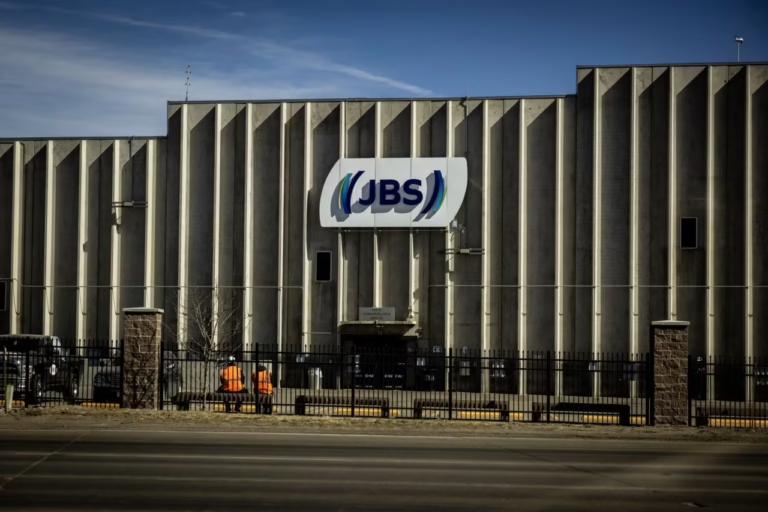
Minority Leader Chuck Schumer plans to introduce a bill that would split meat processing operations and scrutinize foreign ownership.


Source link

Winners of USGA amateur events to get Tiger Woods medal, trophy

0


Tiger Woods has left his prints all over the USGA by winning the U.S. Open by a record 15 shots, winning three straight times in the U.S. Junior Amateur and the U.S. Amateur, and sharing the record with Bobby Jones of claiming nine USGA titles.

And now his name will be etched into a medal and a trophy.

The USGA announced at its annual meeting last week in New York that the winner of the U.S. Amateur now will receive the Tiger Woods Medal, and the winner of the U.S. Junior Amateur will get the Tiger Woods Trophy.

“The USGA and its championships have played an enormous role in my life,” Woods said in a statement. “The U.S. Junior Amateur and U.S. Amateur were defining moments in my development, both as a golfer and as a person. To be recognized in this way is incredibly humbling, and I hope it inspires young players to chase their dreams and appreciate the history and values of the game.”

The U.S. Amateur already has named its trophy for Theodore Havemeyer, the first USGA president.

The U.S. Open awards the Jack Nicklaus Medal to the winner, while the U.S. Women’s Open winner gets the Mickey Wright Medal. The USGA previously announced the JoAnne Carner Medal for the U.S. Women’s Amateur champion. Carner, known then as JoAnne Gunderson, is a four-time winner of the Women’s Amateur.


Source link