Home Blog Page 366

Why is the U.S. attacking Iran? Here’s what the Trump administration has said motivated the strikes.

0


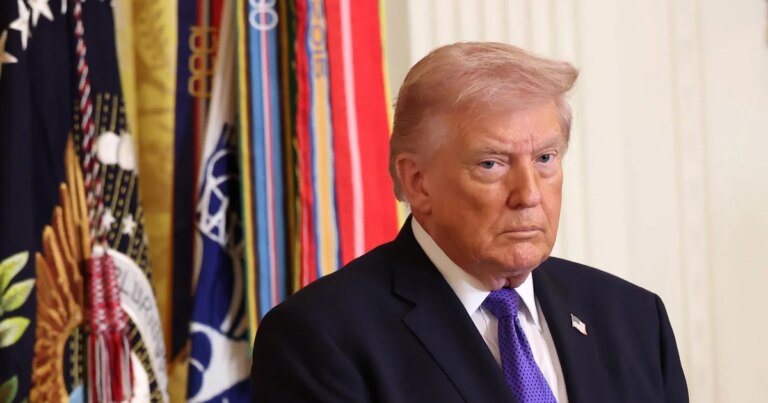
Before the U.S. launched its military offensive against Iran on Saturday, President Trump had expressed frustration with the progress of talks about Iran’s nuclear program and deployed an “armada” to the Middle East. But said he had not said much about the reasons why the U.S. would conduct a bombing campaign against the regime. 

Mr. Trump on Monday articulated the reasons the U.S. launched its attack on Iran, bombing over 1,000 targets in the opening days of what he has said he expects to be a weeks-long war.

In his first live public remarks on the operation, he offered four reasons for the campaign:

  • Destroying Iran’s missile capabilities;
  • Annihilating Iran’s navy;
  • Preventing Iran from developing nuclear weapons;
  • Ensuring the regime can’t continue to arm, fund or direct “terrorist armies” outside its borders.

A senior administration official said the operation would continue until all four objectives are achieved. The president has said he expects the war to last four or five weeks, but administration officials say the operation could be completed sooner or later than the timeline estimated by Mr. Trump.


The Free Press: This Isn’t Israel’s War. It’s America’s.


Here is what the president and other top officials have said about why the U.S. is striking Iran:

Imminent threat posed by Iran’s ballistic missiles

President Trump said Saturday, hours after the offensive began, that his objective was “eliminating imminent threats from the Iranian regime.” 

Iran’s “menacing activities directly endanger the United States, our troops, our bases overseas and our allies throughout the world,” Mr. Trump said in a brief address he posted on Truth Social. 

He said that after the strikes on Iranian nuclear facilities last year, the regime continued “developing long range missiles that can now threaten our very good friends and allies in Europe, our troops stationed overseas, and could soon reach the American homeland.”

But a Defense Intelligence Agency assessment from last year indicated that Tehran would not have intercontinental ballistic missiles capable of reaching the U.S. until 2035.

On Saturday, senior Trump administration officials told reporters that they “had indicators” that Iran could potentially use conventional missiles “preemptively, but if not, simultaneous” to any U.S. actions against the regime. The president “was not going to sit back and wait to get hit first” and if he had, the “amount of casualties and damages would be substantially higher” than if the U.S. acted preemptively, they said.

Defense Secretary Pete Hegseth indicated Monday that the justification for the offensive was Iran’s “swelling arsenal of ballistic missiles and killer drones,” which he said they were using to “create a conventional shield for their nuclear blackmail ambitions.”

Secretary of State Marco Rubio offered a slightly different rationale on Monday, telling reporters the Trump administration decided to attack because Israel was planning to strike Iran, and “we knew that that would precipitate an attack against American forces.” For that reason, he said, the U.S. chose to strike Iran “preemptively” to take out many of its missiles.

Sen. Mark Warner of Virginia, the top Democrat on the Senate Intelligence Committee, told CNN’s “State of the Union” Sunday, “I saw no evidence that Iran was on the verge of launching any kind of preemptive strike against the United States of America.” 

Warner is one of the “Gang of Eight” members of Congress who was briefed by Rubio before the operation began. After another briefing by Rubio on Monday, Warner said he didn’t believe Iran’s missiles posed an imminent threat to the U.S. — though they did pose a significant threat to Israel.

“This is still a war of choice that has been acknowledged by others was dictated by Israel’s goals and timelines,” Warner said.

Iran’s nuclear program

Negotiations over Iran’s nuclear program had been underway for weeks. During his State of the Union address last week, Mr. Trump laid down a red line. 

“My preference is to solve this problem through diplomacy, but one thing is certain: I will never allow the world’s No. 1 sponsor of terror — which they are by far — to have a nuclear weapon,” he said. “Can’t let that happen.”

On Friday, hours before the strikes began, the Omani foreign minister, who was the mediator of those talks, said “substantial progress” was being made and a deal was “within our reach.” He told CBS News’ Margaret Brennan that Iran had agreed it will “never, ever have … nuclear material that will create a bomb.”

But the same day, the president told reporters he wasn’t happy with how the talks were progressing. “I’m not happy with the fact that they’re not willing to give us what we have to have,” he said. “I’m not thrilled with that.”

Mr. Trump demanded Iran stop enriching uranium. Iran has long refused to give up its enrichment capabilities, insisting the program is intended for peaceful purposes, though in recent years, Iran has enriched uranium to near weapons-grade level, well beyond the purity levels required for most peaceful uses.

“They want to enrich a little bit. You don’t have to enrich when you have that much oil,” Mr. Trump said.

Senior administration officials indicated they did not believe Iran was negotiating in good faith. They said that “it was clear to us that they were in the throes of rebuilding all that had been destroyed in Midnight Hammer,” the June operation that struck the regime’s nuclear facilities, and that Iran’s intent “was to preserve their ability to do enrichment, so that over time, they could use it for a nuclear bomb.” They concluded the president “had no choice” but to act. 

In announcing the attack on Iran early Saturday, Mr. Trump emphasized that “it has always been the policy of the United States, in particular, my administration, that this terrorist regime can never have a nuclear weapon.”  

He said Iran had “rejected every opportunity to renounce their nuclear ambitions, and we can’t take it anymore.”

The 2025 Worldwide Threat Assessment published by the Defense Intelligence Agency said, “Iran almost certainly is not producing nuclear weapons, but Iran has undertaken activities in recent years that better position it to produce them, if it chooses to do so.”

Rubio told reporters last week Iran was not currently enriching uranium.

On Sunday, in a second video, the president said the military operation is “necessary to ensure that Americans will never have to face a radical, bloodthirsty terrorist regime armed with nuclear weapons and lots of threats.”

Destroying Iran’s navy

In his first Truth Social post of the day Sunday, Mr. Trump wrote that he’d been told “we have destroyed and sunk 9 Iranian Naval Ships, some of them relatively large and important.” And, he added, “We are going after the rest — They will soon be floating at the bottom of the sea, also!” The president said that another attack had destroyed the regime’s naval headquarters.

By Monday afternoon, CENTCOM said that all 12 of the ships the Iranian navy had in the Gulf of Oman had been destroyed. The regime had relied on its navy to throttle ship traffic through the Strait of Hormuz — a crucial passageway for transporting about 20% of the world’s oil and liquified natural gas.

The Iran war has brought oil tanker traffic through the strait to a virtual standstill. Shipping giants Maersk and Hapag-Lloyd said they were suspending all shipments through the strait. 

Oil prices spiked Monday on concerns that a prolonged disruption of crude supplies in the region could sharply boost energy costs, including U.S. gas prices.

The Iranian Revolutionary Guard Corps announced Monday that the strait would be closed and said it would “set on fire any ship that tries to pass through the Strait of Hormuz.”

“We will not allow a single drop of oil to leave the region,” the IRGC said.

But as energy analyst Kevin Book of Clearview Energy told the AP, “Iran has essentially two ways to close the strait. One is to harass or attack ships, and the other is to lay down mines. And without a navy, both of those things would be difficult.”

Cutting off funding to Iran’s proxy terrorist groups

The president also stated Monday that the offensive was intended to ensure “the Iranian regime cannot continue to arm, fund and direct terrorist armies outside of their borders.” 

Iran was designated a state sponsor of terror by the U.S. State Department in 1984. The department’s most recent country report on terrorism, published in 2023, identified the regime as the leading state sponsor of terrorism, “facilitating a wide range of terrorist and other illicit activities in the United States and globally.” 

It stated that Iran supports terrorism acts through proxies and partners that include Hezbollah in Lebanon, Ansar Allah (known as the Houthis) in Yemen, Hamas in the Palestinian territories, and groups that operate in Bahrain, Iraq, Syria and elsewhere.  

Hamas carried out a terrorist attack on Oct. 7, 2023, that killed 1,200 people in Israel and took 251 hostage, initiating a war with Israel that lasted a little over two years. A ceasefire in Gaza is now in its second phase.

Houthis in Yemen in late 2023 attacked shipping lanes in the Red Sea, “significantly disrupting maritime commerce and global trade,” the report said. 

Other groups conducted drone attacks against U.S. forces in Iraq and Syria, the report said, and also noted that Iran’s IRGC Quds Force and Intelligence and Security Ministry supported terrorist recruitment and plotting in Africa, Asia, Europe and the Americas.

In recent years, the Israel Defense Forces carried out a series of fatal strikes on leaders of major Iranian proxy groups, including Hezbollah leader Hassan Nasrallah, key Houthi official Mohammed al-Ghamari and top Hamas leaders Yahyah Sinwar, Mohammed Sinwar and Mohammed Deif.

The IDF called the strike that killed Iran’s Supreme Leader Ayatollah Khamenei “the culmination of a sustained effort to eliminate the senior leadership of the Iranian terror axis.” 

Hamas political leader Ismail Haniyeh was also killed in Tehran in a 2024 operation that a U.S. official attributed to Israel, though the Israeli military has not taken responsibility.

Deaths of Iranian protesters and regime change

Regime change is not among the reasons for the military operation listed by Mr. Trump on Monday, but the U.S.-Israeli offensive has targeted dozens of Iran’s top leaders, including Khamenei, who was killed on the first day. While the U.S. has said that Israeli forces carried out that strike, they did so after receiving intelligence about his location from the CIA.

Mr. Trump said Monday that 49 top Iranian leaders had been killed.

In his Saturday video, he urged Iranians to finish what the U.S. and Israel started and overthrow the government.

“Now is the time to seize control of your destiny,” he told the Iranian people. “This is the moment for action. Do not let it pass.”

Amid the Iranian government’s bloody crackdown on protesters in January, in which thousands were killed, Mr. Trump warned of “very strong action” against the regime and told Iranians that U.S. “help is on its way.” 

Over the weekend, he told the Washington Post the goal is “freedom for the people” of Iran. 

“All I want is freedom for the people,” he said.


Source link

Four arrested in Santa Fe amid child predator operation

0


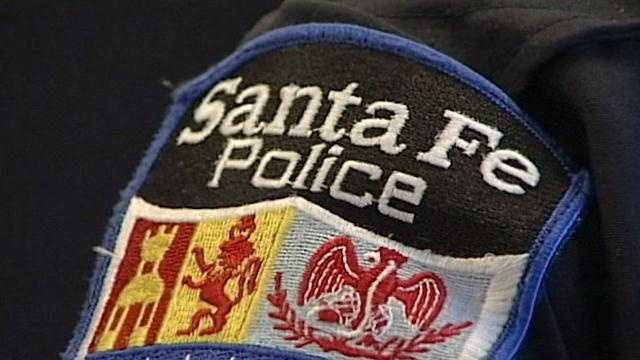
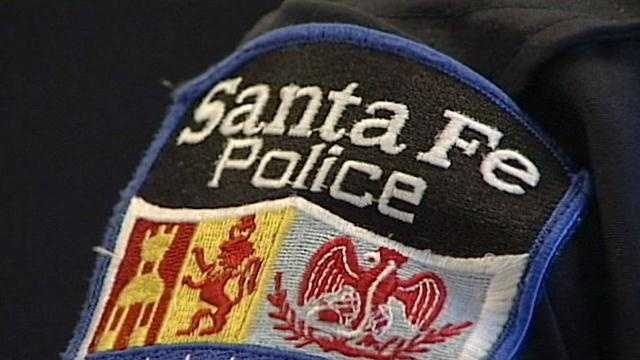
Police arrested four suspects amid a multiday operation to combat online child sexual predators in Santa Fe.Detectives used undercover accounts across several websites and chatting apps to communicate directly with alleged offenders.The suspects arrested are Eduardo Ramirez, 59, Harold Adams, 55, of Lubbock, Texas, Tomas Cacjo, 29, and 26-year-old Nagaraju Balkam. Each face child solicitation charges among other specific charges.The special victims unit with the Santa Fe Police Department led to operation. The unit, Internet Crimes Against Children, has detectives who are on the task force with the New Mexico Department of Justice.Police also said additional investigations are expected to result in charges against other suspects. The arrests of these four suspects were announced on Tuesday, March 3.Stay updated on the latest news with the KOAT app. You can download it here.

Police arrested four suspects amid a multiday operation to combat online child sexual predators in Santa Fe.

Detectives used undercover accounts across several websites and chatting apps to communicate directly with alleged offenders.

The suspects arrested are Eduardo Ramirez, 59, Harold Adams, 55, of Lubbock, Texas, Tomas Cacjo, 29, and 26-year-old Nagaraju Balkam. Each face child solicitation charges among other specific charges.

The special victims unit with the Santa Fe Police Department led to operation. The unit, Internet Crimes Against Children, has detectives who are on the task force with the New Mexico Department of Justice.

Police also said additional investigations are expected to result in charges against other suspects. The arrests of these four suspects were announced on Tuesday, March 3.

Stay updated on the latest news with the KOAT app. You can download it here.


Source link

KILLSWITCH ENGAGE Announce U.S. Tour With MACHINE HEAD, IRON REAGAN & HAVOK

0


Massachusetts metalcore mainstays Killswitch Engage are officially back in touring mode. The outing launches June 3 in Detroit and wraps June 27 in San Francisco, hitting major markets along the way and stopping at both Milwaukee Metal Fest and DC Warped Tour Weekend.

Joining them for the ride is a formidable supporting lineup: Bay Area metal juggernauts Machine Head, fronted by the ever-commanding Robb Flynn, alongside thrash crossover favorites Iron Reagan and Colorado shredders Havok. The tour kicks off on June 3 at The Fillmore in Detroit, MI and wraps up on June 27 at Warfield in San Francisco, CA. Get your tickets here.

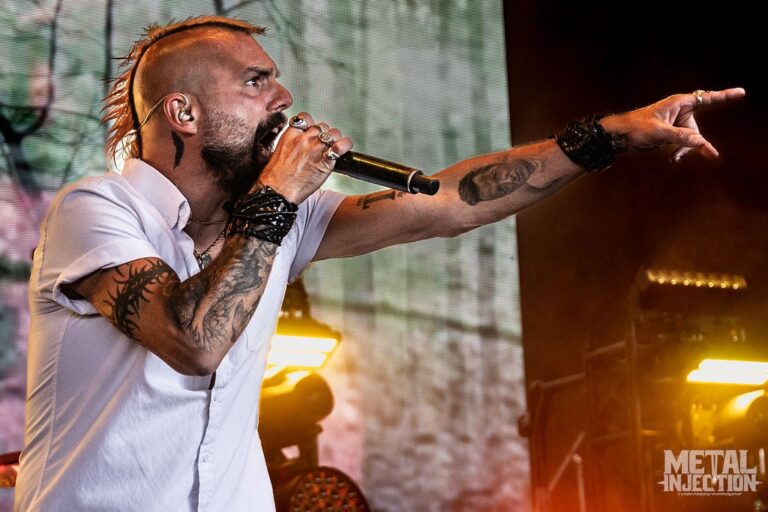
“I’m extremely excited to get back out on the road supporting our newest album This Consequence!,” said Killswitch Engage vocalist Jesse Leach says.

“We are hitting major cities and bringing along with us an absolutely killer lineup with the legendary Robb Flynn and Machine Head, thrash masters Iron Reagan, and rounded out by the mighty Havok. This is a stacked and powerful crew of bands that will electrify and dominate wherever we roll up to… so LET’S GO!!!!!!”

6/3 Detroit, MI The Fillmore
6/5 Minneapolis, MN The Fillmore
6/6 Milwaukee, WI Milwaukee Metal Fest *KsE Festival Appearance
6/7 South Bend, IN Four Winds Field
6/9 Raleigh, NC The Ritz
6/11 Brooklyn, NY Brooklyn Paramount
6/12 Boston, MA Roadrunner
6/13 Bethlehem, PA Wind Creek Event Center
6/14 Washington, DC DC Warped Tour *KsE Festival Appearance
6/16 Orlando, FL Hard Rock Live
6/17 Atlanta, GA Tabernacle
6/19 Dallas, TX South Side Ballroom
6/20 Houston, TX Bayou Music Center
6/21 San Antonio, TX Boeing Center at Tech Port
6/23 Albuquerque, NM Revel Entertainment Center
6/24 Tempe, AZ The Marquee
6/25 Los Angeles, CA Hollywood Palladium
6/27 San Francisco, CA Warfield
9/17-20 Louisville, KY Kentucky Exposition Center – Louder Than Life 2026

Want More Metal? Subscribe To Our Daily Newsletter

Enter your information below to get a daily update with all of our headlines and receive The Orchard Metal newsletter.


Source link

Dassault Aviation Posts Higher Sales on Rising Falcon Jet Demand

0


The manufacturer of military aircraft and business jets said sales rose to €7.43 billion in 2025 from €6.24 billion the previous year.


Source link

Breanna Stewart, Kelsey Plum criticize WNBPA’s handling of CBA negotiations, per report

0


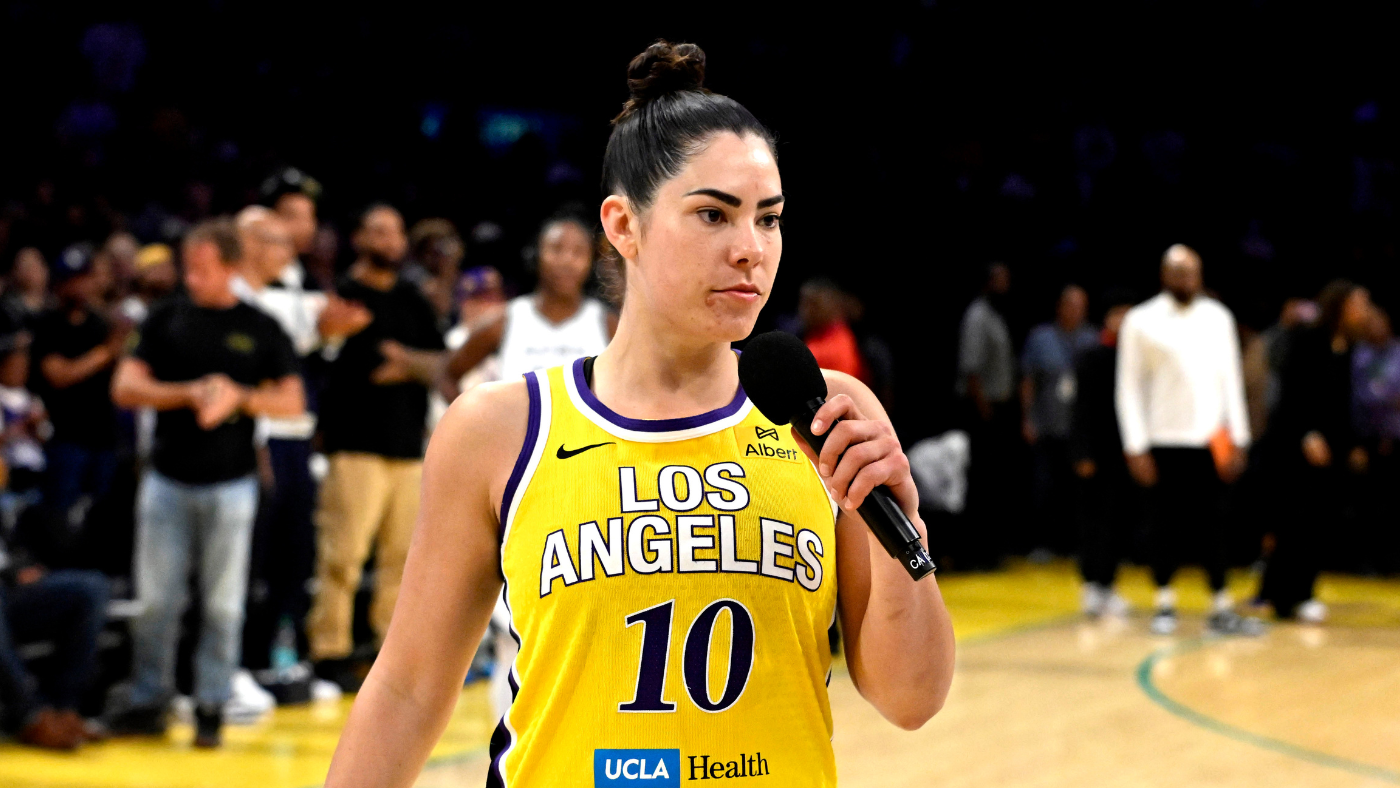
WNBPA executive committee members Breanna Stewart and Kelsey Plum sent a three-page letter to WNBPA executive director Terri Carmichael Jackson expressing their “serious concerns” about how non-player union leadership is handling the negotiations for a new collective bargaining agreement, according to ESPN

Tuesday’s stunning report highlights the growing tension inside the WNBPA ahead of the reported March 10 deadline to agree to a new CBA. If a deal is not in place by March 10, the 2026 season, which is supposed to begin on May 8, will not start on time, the league told the WNBPA and teams last month. 

Growing discontent with WNBPA leader Jackson

Plum is the first vice president of the WNBPA, while Stewart is a vice president. In their letter, which was obtained by ESPN, the duo called for “a changed dynamic between our PA administrators and the players” and wrote “we do not feel like we have an adequate seat at the table in these negotiations.” 

The WNBPA declined comment to ESPN, and reportedly held a meeting Tuesday to discuss the letter — which Stewart and Plum sent in mid-February — and the result of a recent survey sent to players. 

Late last month, the WNBPA reportedly held a contentious meeting, which Jackson called “spirited, passionate, and at times tough,” in a letter obtained by Front Office Sports. Furthermore, a group of nearly a dozen powerful agents sent a letter to Jackson last week stating “our collective preference for transparency and coordinated communication” about the CBA negotiations, according to ESPN. 

Jackson has been the WNBPA executive director since 2016 and oversaw the negotiations on the most recent CBA, which was ratified in 2020. The players opted out of that agreement in October of 2024, and it officially expired in January after multiple extensions. Over the last 17 months, the WNBPA and the WNBA have been locked in a contentious labor battle over a new CBA. The stalemate is now threatening to disrupt, or, in a worst-case scenario, cancel the 2026 season. 

Stewart and Plum’s letter makes it clear that some players are not happy with the job Jackson and her staff are doing to get a new deal in place — while acknowledging that she wants what is best for the players. 

“We are frustrated that we have not made more progress as we near the March 10 deadline, and we believe this is a result of a breakdown in communication between you and the Executive Committee and players more broadly,” Stewart and Plum wrote. 

They went on to write that they have been “privy to details of these negotiations for less than two months, having first seen a proposal in January,” and have not received more information from union staff despite “repeatedly” asking for it. “Despite a year and a half of negotiations, we have not been meaningfully engaged,” they continued. 

Here’s more from the letter:

“As we understand it, the Executive Committee’s role is to help shape the overall goals and priorities of the CBA and to serve as a bridge between your negotiating team and the broader membership — ultimately helping to secure player approval of any deal. Without access to the information requested above, the Executive Committee cannot fulfill this role, and players cannot be expected to engage meaningfully in a process they have largely been excluded from.

“When we and other players have attempted to express concerns about negotiations, we have been made to feel as though we are acting against the interests of the PA. Many other players across the league feel these same frustrations and have expressed them to us, but feel afraid or unable to speak out.”

Stewart and Plum added that this trend “has begun to create unnecessary divisions at a time in which a united front and informed player body are essential to achieve maximum leverage.”

Strike no longer on the table?

Notably, Stewart and Plum added that “We need to start being pragmatic in these negotiations and in how decisions are being made,” because they are “concerned about the impact that a standoff or work stoppage would have on the overall financial health of the league.”

In December, the WNBPA voted nearly unanimously to authorize the executive committee to strike “when necessary.” The WNBPA stated that 93% of players participated in that vote and 98% voted in favor of authorizing a strike if necessary. Some players have since changed their minds, and it does not appear that a strike is actually on the table. 

“I want to play, and players want to play,” Plum said prior to the Unrivaled semifinals on Monday. “And so obviously we’re going to continue to negotiate and do everything we possibly can to get this done in a timely fashion. But obviously a strike would be the worst thing for both sides, because we are in a revenue [sharing system], so no revenue, no revenue to share.”

“I think that while we still are fighting for a lot of different things, we have to realize that the rev share is a win, especially just even coming from the 2020 CBA and the ones before that,” Stewart added on Monday. “Now, as the league makes money, we make money. And so when [Plum] talks about ‘I don’t think a strike is good for anyone,’ because as the league loses money, or if we have a delay, we also lose money.”

Latest WNBA offer

According to the Associated Press, the WNBA sent the WNBPA a new CBA proposal on Sunday night with a slight increase in the 2026 salary cap from $5.65 million to $5.75 million. Here are the full salary numbers:

“The salary cap in the first year would be $5.75 million — up 280% from last year’s $1.5 million. That would grow to $8.5 million by the sixth year of the deal. The deal would result in maximum salaries increasing by more than $1 million — from $249,000 to $1.3 million — and average salaries increasing from $120,000 to $540,000 in the first year.”

Overall, however, the league did not change its revenue sharing split. The league is still offering 70% of net revenue — that is, the revenue remaining when league-specified operating expenses are removed from the pot — over the course of the deal. The players, meanwhile, are still adamant on receiving a share of gross revenue. 

The WNBPA’s most recent proposal would see the players receive an average of 26% of the gross revenue over the course of the agreement (with a $9.5 million salary cap in 2026).


Source link

Nepalis are set to vote in the first election after protests ousted the previous government

0


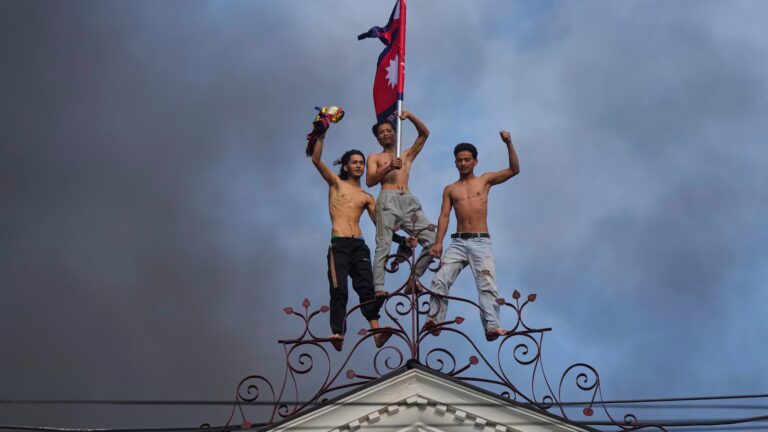
KATHMANDU, Nepal — Millions of Nepalis are set to vote in crucial parliamentary elections, the first since a violent youth-led uprising toppled the previous government and thrust forward a new generation’s demands for sweeping change in the Himalayan nation.

Authorities have tightened security nationwide ahead of the polls Thursday. In addition to regular forces, thousands of temporary police officers have been deployed, and army troops — generally confined to barracks — are patrolling streets and guarding polling stations.

The government has declared a three-day public holiday to allow voters to travel to their homes. Schools and other public buildings have been converted into polling centers, where ballots will be cast by residents — from remote Himalayan villages to towns across the southern plains.

More than one million voters have been added to the rolls since the last national election in 2022, according to the Election Commission of Nepal. Many of them are also first-time voters who took to the streets during last year’s protests that ultimately forced former prime minister Khadga Prasad Oli out of power.

Analysts say the youth movement that fueled the uprising is now poised to shape the outcome of the election, as first-time voters demand accountability.

“This election, all the political parties, whether they are old or new, they are more focused on the youth. That is a great shift in our electoral history,” said Bhojraj Pokharel, an independent political analyst and Nepal’s former chief election commissioner.

Many voters say they want a break from the established political parties, calling for fresh leadership that can tackle widespread corruption and strengthen governance in the country.

“People don’t have big expectations from those who are going to be elected. People are only seeking that corruption should be controlled and we should have good governance,” said Swastika Lamichane, a 28-year-old office worker.

Others are angry at the political old guard for failing them.

“For the past generations of our fathers and grandfathers, the same old politicians and parties have been elected and they have always controlled power, but they have always failed us,” said Kalpana Saud, a 25-year-old housewife.

The election is largely seen as a contest among three political parties.

The National Independent Party, formed in 2022, is widely viewed as the front-runner, mounting a strong challenge to the long-dominant Nepali Congress and the Communist Party of Nepal (Unified Marxist–Leninist), which have alternated in power for decades.

The new party’s prime ministerial candidate is Balendra Shah, a rapper-turned-politician who upended the country’s established political order in 2022 by winning the race for mayor of Kathmandu. He emerged a prominent voice of discontent in 2025 when Nepal was shaken by a youth-led uprising.

The Nepali Congress and the Communists retain deeply loyal voter bases. But on the campaign trail, Shah’s party has drawn larger crowds, underscoring its growing appeal among young voters who seek an alternative.

Political instability has repeatedly shaken Nepal since the monarchy was abolished in 2008. The groups that advocate the restoration of the monarchy say they expect to make significant gains in the new parliament, citing what they describe as rising public support for the former king.

Thousands of monarchy supporters gathered during rallies of former king Gyanendra Shah and chanted slogans for his restoration as constitutional head of state. He is also seen by his supporters as the protectors of Hindus in the country where they are a majority.

The ex-king has little chance of immediately returning to power, as support for him is not as significant.

The next administration will inherit daunting challenges — from delivering on the promises demanded by last year’s protests and tackling entrenched corruption, to carefully managing ties with its powerful neighbors, India and China. Both countries have long sought to expand their influence over Nepal.

“The people have very high expectations from the incoming government but the resources are very limited so it will be difficult for them to meet all the aspiration,” said Guna Raj Luitel, editor of Nagarik, one of Nepal’s most popular newspapers.


Source link

Video: NMSP officer points taser at fellow officer’s head

0


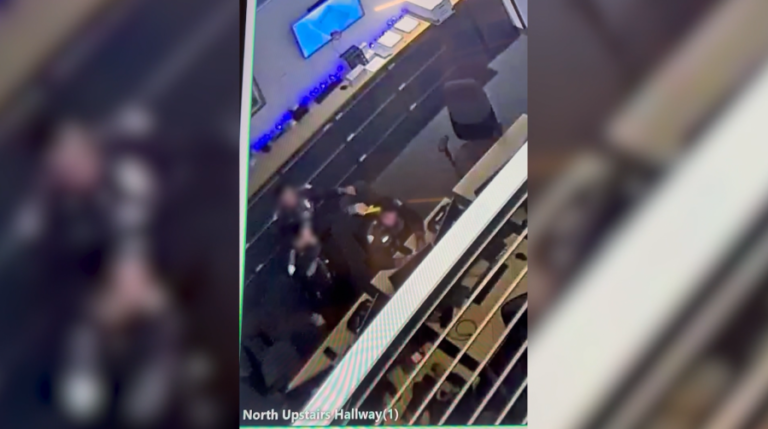
NEW MEXICO (KRQE) – New Mexico State police leadership is reacting to newly surfaced video showing an officer disregarding his department’s safety protocols with his taser. A video obtained by KRQE Investigates shows officers from the New Mexico State Police Santa Fe District Office. The video, dated November 2025, shows an NMSP officer pull out his […]


Source link

What is the Meaning Behind Pepsi-Cola’s Name?

0


The Pepsi brand is so ingrained in consumers’ heads as a leading soft drink choice that few people stop to question why it’s called “Pepsi” in the first place.

It Wasn’t Always Called Pepsi

Before getting into the meaning behind the soda’s current name, we have to look back at its past. A Los Angeles Times article about the Pepsi and Coke names dug deep into the brands’ history.

“But what stopped me in my tracks was the revelation that Pepsi used to be called Brad’s Drink, named for its creator Caleb Davis Bradham,” the article states.

According to the North Carolina History Project, Bradham hoped to be a medical doctor in the late 1800s. He eventually settled on opening a pharmacy in New Bern, North Carolina “where locals loved to frequent and pay a nickel to be entertained by a jukebox featuring the piano and/or violin playing the latest music selections.”

The pharmacy was also where Bradham began experimenting with juices, spices and syrups to create a drink that would keep customers coming back. He also allegedly hoped to provide them with a way to improve their health through the concoctions.

How Pepsi Was Created

Unsplash

“Bradham believed his product aided digestion and had no harmful effects (then it had no caffeine),” the North Carolina History Project reports.

The pharmacists settled on a mixture of sugar, water, caramel, lemon oil, koala nuts, nutmeg and other additives as Brad’s Drink was born.

Why Is It Called Pepsi?

While Bradham’s effort to create something that helped his customers was noble, the “Brad’s Drink” name wasn’t exactly a slam dunk even by marketing standards in 1898.

READ MORE: Why You May Want to Change How You Recycle Soda Cans

The Los Angeles Times explains the drink was renamed “Pepsi-Cola,” taking inspiration from the medical term “dyspepsia.” The condition involves recurring indigestion, which Bradham thought would be aided by his creation.

What is the meaning of Pepsi

Unsplash

With the freshly renamed drink growing in popularity at his pharmacy, Bradham had aspirations to grow the brand beyond his small North Carolina town.

PepsiBornInTheCarolinas.com, which charts the history of the Pepsi brand in the region, shows Bradham filed for the official Pepsi-Cola trademark in 1903. This allowed the pharmacist and drink creator to expand his operations and sell his soda syrup to a wider audience.

LOOK: 19 Drinks Only ’90s Kids Remember

Grab that weird bendy straw you bought with your Chuck. E Cheese tokens, because we’re sluprin’ up these definitive flavors of the ’90s.

Gallery Credit: Meg Dowdy

QUIZ: Can you identify 50 famous companies by their logos?

How well do you know the logos of 50 of the world’s most famous companies? Keep scrolling to see if you can guess which icon belongs to which brand.


Source link

Bayer Net Loss Widens on Weedkiller Litigation Charges

0


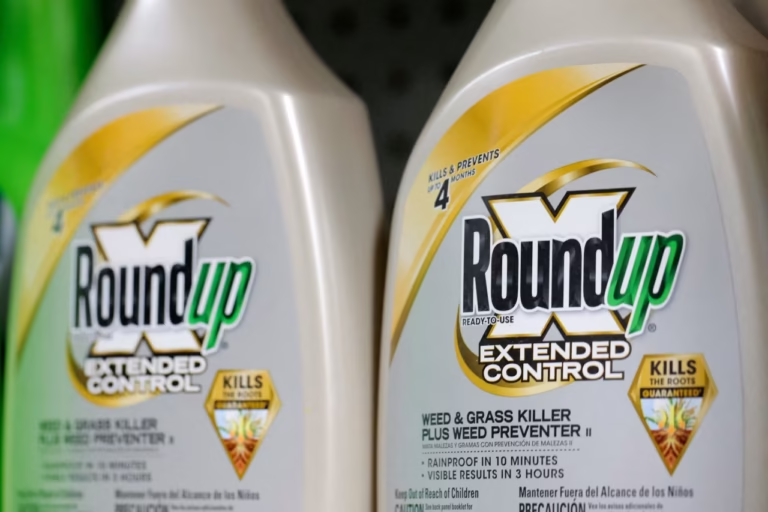
The agriculture and pharmaceutical company reported a steeper net loss, including a €3.55 billion hit mainly from litigation-related expenses.


Source link

2026 NFL free agency updates: Signings, trades, rumors

0


NFL free agency officially begins at 4 p.m. ET on Wednesday, March 11, with the start of the new league year, but teams can actually start negotiating and agreeing to terms with players at noon ET on Monday, March 9.

In the lead-up to that negotiating window, teams can also re-sign their own free agents to extensions. And the franchise/transition tag deadline just passed Tuesday with four players receiving one: Cowboys WR George Pickens, Falcons TE Kyle Pitts Sr., Jets RB Breece Hall and Colts QB Daniel Jones (transition tag).

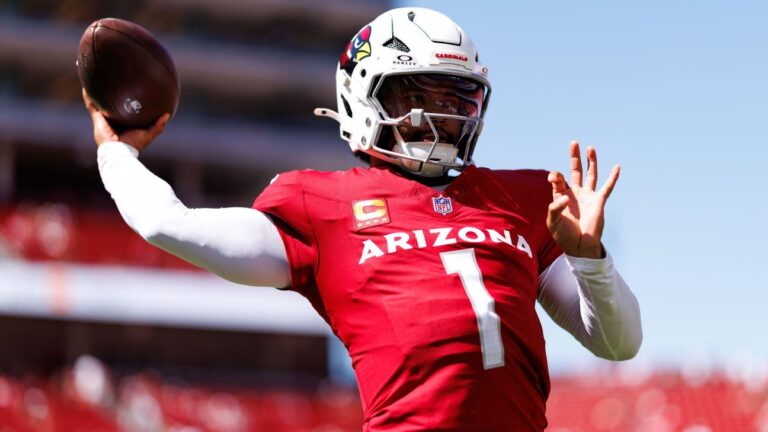
Which teams could be interested in quarterbacks Malik Willis and Kyler Murray? What’s the latest on edge rusher Trey Hendrickson and running back Kenneth Walker III? And which big-name players are available as trade candidates?

We’re tracking all the action of 2026 NFL free agency. Follow along live here with the latest signings, trades, cuts and contract restructures.

2026 NFL free agency coverage:
Top 100 rankings | Grading big moves
Franchise tag winners/losers

Free agency and trade market updates


Source link