
Home Blog Page 115

Electric bikes can be fast and dangerous. Here’s how to stay safe

0


The 14-year-old was riding an electric bicycle at an estimated 25 mph when he slammed into Janet Stotko during her evening walk, leaving her unconscious and bleeding on a sidewalk in her Minnesota neighborhood.The 2024 crash nearly killed Stotko, who was raced to a hospital with severe brain injuries, a facial fracture and broken eardrum. But after being on a ventilator for two days, spending three weeks in the hospital and enduring brain surgery, she survived, surprising even her doctors.At a checkup, she said, her doctors told her, “Wow, we can’t believe you’re here.”Now, she’s pushing for stricter laws regulating e-bikes in hopes that others won’t be hurt.E-bikes offer a convenient, eco-friendly and cost-effective alternative to cars, but their increasing use is drawing safety concerns. A study by the University of California, San Francisco found that rider injuries from e-bikes nearly doubled each year from 2017 to 2022, and a University of California, San Diego study showed injuries in San Diego among e-bike riders under 18 soared 300% from 2019 to 2023.Under federal law, most e-bikes are considered nonmotorized vehicles just like traditional bicycles, so riders don’t need a driver’s license or insurance and they don’t have to wear a helmet. But many states have more stringent rules, and regulations vary widely.Health experts have called for new laws and better enforcement of existing regulations, and officials in many places are taking action.Here’s what e-bikers should know to keep themselves and people around them safe.Not all e-bikes are the sameMany states have adopted a three-tier classification of e-bikes: Class 1 have motors that kick in while riders pedal with maximum speeds of 20 mph; Class 2 have throttles that reach the 20 mph maximum without pedaling; and Class 3 provide pedal-assist up to 28 mph.There are faster versions available, sometimes called e-motos, that can reach 40 mph even without pedaling. Many states treat these bikes like motorcycles, so they’re not allowed on sidewalks or paths, but in some states there are no specific rules for the ultra-fast bikes.As John Maa, a general surgeon at MarinHealth Medical Center in Northern California, notes, it’s basic math that increased speeds lead to increased injuries.”It’s Newton’s principles, right? Force equals mass times acceleration, and also kinetic energy is mass times velocity squared,” Maa said.Learn where you can and can’t rideSpeed limits, helmet requirements and other rules for e-bikes are changing rapidly, and what’s legal in one city or state might be illegal in the next.New York City imposed a speed limit of 15 mph on all electric bikes in October, and Florida lawmakers recently sent the governor a bill limiting e-bike speeds to 10 mph within 50 feet of pedestrians. In Connecticut, an October law requires all e-bike riders to wear a helmet, and bikes without pedals equipped with batteries over 750 watts will require a driver’s license.”We were not only hearing from manufacturers and riders, but we were hearing from concerned citizens trying to share the road with these new electric bikes and e-scooters, and also law enforcement who really needed some clear policies set into place,” said Christine Cohen, the Connecticut state senator behind the legislation.Know your bikeThe market is full of vehicles that blur the line between a traditional e-bike and something closer to a motorcycle, and manufacturers don’t always make the distinction easy to spot.To understand a bike’s capabilities and where it can be legally ridden, check its top speed, motor wattage, and whether it requires pedaling or operates on throttle alone. Anything outside the three-class classification could be subject to motor vehicle regulations, making it illegal to ride on some shared-use paths where slower e-bikes are allowed.”The first thing we always tell people is familiarize yourself, read the manual, look at some videos, look at your specific model,” said Charles DiMaggio, an injury public health researcher and professor at New York University’s medical school.Going to a local bike shop instead of buying online can help, enabling riders to ask questions, take a test ride and learn what’s legal and what isn’t.Follow traditional bike safety measuresHospitals and medical groups like the American College of Surgeons and American Association of Neurological Surgeons have called for stricter policies and offered safety tips.Above all, they stress wearing a helmet. Other tips include riding defensively around cars, using front and rear lights, wearing reflective vests in the dark, and avoiding biking under the influence of drugs or alcohol. Experts also recommend against altering an e-bike to make it faster.Maa added that e-bike riders should consider wearing a motorcycle helmet that covers the neck to protect against spinal injuries. He also advises parents to make sure their children can comfortably ride a pedal bike before they graduate to e-bikes.”Make sure they’re comfortable, they understand the rules of the road, they’re able to navigate turns, understand the flow of traffic, the use of bicycle lanes,” Maa said.Minnesota victim wants accountabilityAfter she was injured, Stotko told the city council in her community of Hastings, Minnesota, about her crash to push for a stricter ordinance. The city agreed, reducing maximum e-bike speeds to 15 mph on city trails, prohibiting e-bikes on sidewalks and imposing penalties.City police issued a citation to the 14-year-old rider for operating an e-bike underage, but no one was charged for the injury to Stotko.”It’s really about taking accountability and ownership of owning an e-bike and operating one,” she said.

The 14-year-old was riding an electric bicycle at an estimated 25 mph when he slammed into Janet Stotko during her evening walk, leaving her unconscious and bleeding on a sidewalk in her Minnesota neighborhood.

The 2024 crash nearly killed Stotko, who was raced to a hospital with severe brain injuries, a facial fracture and broken eardrum. But after being on a ventilator for two days, spending three weeks in the hospital and enduring brain surgery, she survived, surprising even her doctors.

At a checkup, she said, her doctors told her, “Wow, we can’t believe you’re here.”

Now, she’s pushing for stricter laws regulating e-bikes in hopes that others won’t be hurt.

E-bikes offer a convenient, eco-friendly and cost-effective alternative to cars, but their increasing use is drawing safety concerns. A study by the University of California, San Francisco found that rider injuries from e-bikes nearly doubled each year from 2017 to 2022, and a University of California, San Diego study showed injuries in San Diego among e-bike riders under 18 soared 300% from 2019 to 2023.

Under federal law, most e-bikes are considered nonmotorized vehicles just like traditional bicycles, so riders don’t need a driver’s license or insurance and they don’t have to wear a helmet. But many states have more stringent rules, and regulations vary widely.

Health experts have called for new laws and better enforcement of existing regulations, and officials in many places are taking action.

Here’s what e-bikers should know to keep themselves and people around them safe.

Not all e-bikes are the same

Many states have adopted a three-tier classification of e-bikes: Class 1 have motors that kick in while riders pedal with maximum speeds of 20 mph; Class 2 have throttles that reach the 20 mph maximum without pedaling; and Class 3 provide pedal-assist up to 28 mph.

There are faster versions available, sometimes called e-motos, that can reach 40 mph even without pedaling. Many states treat these bikes like motorcycles, so they’re not allowed on sidewalks or paths, but in some states there are no specific rules for the ultra-fast bikes.

As John Maa, a general surgeon at MarinHealth Medical Center in Northern California, notes, it’s basic math that increased speeds lead to increased injuries.

“It’s Newton’s principles, right? Force equals mass times acceleration, and also kinetic energy is mass times velocity squared,” Maa said.

Learn where you can and can’t ride

Speed limits, helmet requirements and other rules for e-bikes are changing rapidly, and what’s legal in one city or state might be illegal in the next.

New York City imposed a speed limit of 15 mph on all electric bikes in October, and Florida lawmakers recently sent the governor a bill limiting e-bike speeds to 10 mph within 50 feet of pedestrians. In Connecticut, an October law requires all e-bike riders to wear a helmet, and bikes without pedals equipped with batteries over 750 watts will require a driver’s license.

“We were not only hearing from manufacturers and riders, but we were hearing from concerned citizens trying to share the road with these new electric bikes and e-scooters, and also law enforcement who really needed some clear policies set into place,” said Christine Cohen, the Connecticut state senator behind the legislation.

Know your bike

The market is full of vehicles that blur the line between a traditional e-bike and something closer to a motorcycle, and manufacturers don’t always make the distinction easy to spot.

To understand a bike’s capabilities and where it can be legally ridden, check its top speed, motor wattage, and whether it requires pedaling or operates on throttle alone. Anything outside the three-class classification could be subject to motor vehicle regulations, making it illegal to ride on some shared-use paths where slower e-bikes are allowed.

“The first thing we always tell people is familiarize yourself, read the manual, look at some videos, look at your specific model,” said Charles DiMaggio, an injury public health researcher and professor at New York University’s medical school.

Going to a local bike shop instead of buying online can help, enabling riders to ask questions, take a test ride and learn what’s legal and what isn’t.

Follow traditional bike safety measures

Hospitals and medical groups like the American College of Surgeons and American Association of Neurological Surgeons have called for stricter policies and offered safety tips.

Above all, they stress wearing a helmet. Other tips include riding defensively around cars, using front and rear lights, wearing reflective vests in the dark, and avoiding biking under the influence of drugs or alcohol. Experts also recommend against altering an e-bike to make it faster.

Maa added that e-bike riders should consider wearing a motorcycle helmet that covers the neck to protect against spinal injuries. He also advises parents to make sure their children can comfortably ride a pedal bike before they graduate to e-bikes.

“Make sure they’re comfortable, they understand the rules of the road, they’re able to navigate turns, understand the flow of traffic, the use of bicycle lanes,” Maa said.

Minnesota victim wants accountability

After she was injured, Stotko told the city council in her community of Hastings, Minnesota, about her crash to push for a stricter ordinance. The city agreed, reducing maximum e-bike speeds to 15 mph on city trails, prohibiting e-bikes on sidewalks and imposing penalties.

City police issued a citation to the 14-year-old rider for operating an e-bike underage, but no one was charged for the injury to Stotko.

“It’s really about taking accountability and ownership of owning an e-bike and operating one,” she said.


Source link

Opinion | Side Quests Lead to Big Wins

0


Some of the most successful products have been discovered through surprises.


Source link

Twins manager Derek Shelton ejected for arguing ABS challenge, makes MLB history

0


shelton-getty.png
Getty Images

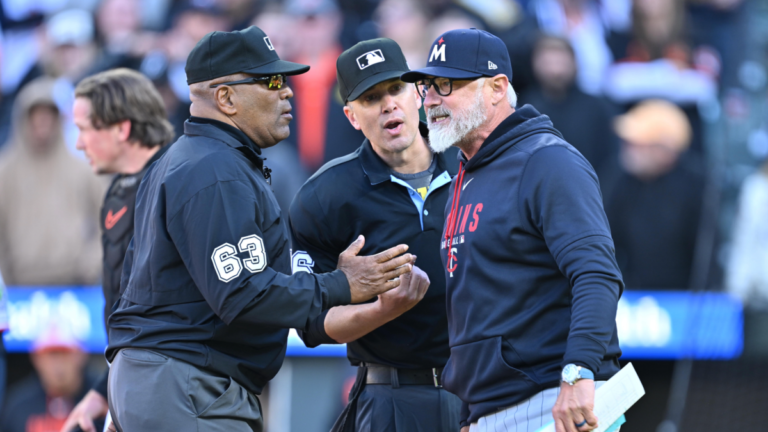
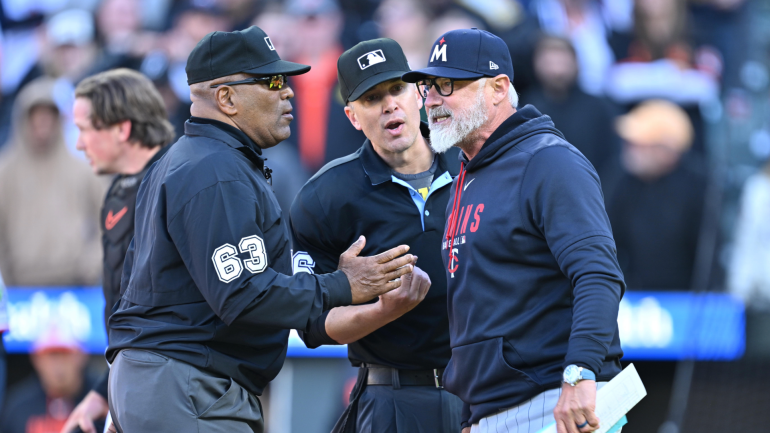
The automated ball-strike (ABS) system has been implemented in Major League Baseball this year and here, on just the fifth day of the regular season, we have our first ABS-related ejection. Twins manager Derek Shelton was the lucky victim in the ninth inning of an eventual 8-6 loss to the Orioles

Orioles closer Ryan Helsley appeared to walk batter Josh Bell, which would’ve put the tying run on base and brought the go-ahead run to the plate. Helsley challenged the ball and it was overturned for a strikeout. Shelton argued that Helsley didn’t challenge quickly enough. Here’s the call:

The rule states that challenges need to happen immediately, with the rough guideline being about two seconds. It sure looks like Helsley went to tap his head in the amount of time that I’d call “immediate.” You have to wait for the umpire to make the call and then react. It was very quick. Maybe Shelton didn’t see Helsley’s initial motion toward his hat when it could have been mistaken for him just tipping his cap. 

Umpire C.B. Bucknor has six pitches overturned by ABS system, including consecutive called third strikes

Mike Axisa

Umpire C.B. Bucknor has six pitches overturned by ABS system, including consecutive called third strikes

“I didn’t think Helsley tapped his hat quick enough,” Shelton said after the game (via the Baltimore Sun). “Maybe he did, maybe he didn’t. But I didn’t feel he did. I feel it’s gotta be something that’s in the three seconds and I didn’t think it was there. But the umpiring crew thought it was.”

Helsley insisted he had signaled for a review in time, but acknowledged there had been some miscommunication.

“I understood where he was coming from, because I felt like the umpire didn’t see me right away and so I was kind of confused,” he said after the game (via the Baltimore Sun). “(Home plate umpire Laz Díaz) behind me kind of took up for him. He was like, ‘He did it right away,’ which I know we’re probably going to go through some growing pains with this since it’s so new and I think we saw that today. And I can respect Shelton for trying to not get him to do it there, because it did seem like it was a little long in that moment.”

The following hitter reached on an error before Helsley induced a flyout to end the game. The Twins are now 1-2 to start the 2026 season. They head to Kansas City Monday to open a series against the Royals.


Source link

An Israeli soldier from Connecticut is killed in southern Lebanon weeks after completing training

0


NEW YORK — A young man who moved from Connecticut to Israel last year to join the military was killed during a combat operation in southern Lebanon on Saturday just weeks after he completed training.

The Israeli military identified the soldier as Sgt. Moshe Yitzchak Hacohen Katz, 22. He was originally from New Haven, Connecticut, according to family members.

“My heart is shattered and the wound is real,” his father, Mendy Katz, said in a post on Facebook.

Moshe Katz was the oldest of five children. The Israeli military said he was assigned to the 890th Battalion, Paratroopers Brigade. He was killed in southern Lebanon, a stronghold of the militant group Hezbollah, as Israel expands an invasion there.

After his death was announced, his parents and other family members traveled to Israel to attend his funeral, scheduled for Sunday, said Caroline Caprio, business partner of the soldier’s father.

Moshe Katz’s decision to join the Israeli military took shape in the months after the Oct. 7, 2023, Hamas attack on southern Israel that killed about 1,200 people, his sister, Adina Katz, said in an interview with Ynet News, an Israeli news website.

About a year after the attack, Moshe Katz committed himself to the move, she said. When he followed through last year, he arrived in Israel without being able to speak Hebrew and completed a language preparatory program before enlisting, Adina Katz said. Family members attended his graduation from training a few weeks ago, Caprio said.

“He gave it his all and finished his beret march with a smile,” said Adina Katz, who moved to Israel before her brother.

Moshe Katz came from a family with deep roots in New Haven’s Jewish community, and because of his faith felt a strong connection to Israel and its people, said Rabbi Yehoshua Hecht, a relative in Connecticut.

“He wanted to do something more and that something more was going though basic training and joining the Israel Defense Forces to protect life and limb of the people that he loved,” Hecht said.

In his post on Facebook, Katz’s father recalled his son’s “zest for life” and his love of laughter with those around him.

In a statement Sunday, Israeli Prime Minister Benjamin Netanyahu said Katz had “fought bravely in defense of the homeland.”


Source link

Albuquerque runners participate in Chocolate and Coffee Run

0


ALBUQUERQUE, N.M. (KRQE) – Sweet treats abound for the dozens of participants in Sunday’s annual Chocolate and Coffee Run. People were able to get coffee and donuts after they finished their run. The top three runners in each group also received a gift card to the running store Heart and Sole. The organizer, Run Fit, is […]


Source link

Opinion | Sayonara, Sora: OpenAI Says Fun Time Is Over

0


In killing the video-generation app, the company’s priority is no longer wowing the media.


Source link

WNBA’s CBA: 10 biggest wins from new agreement

0


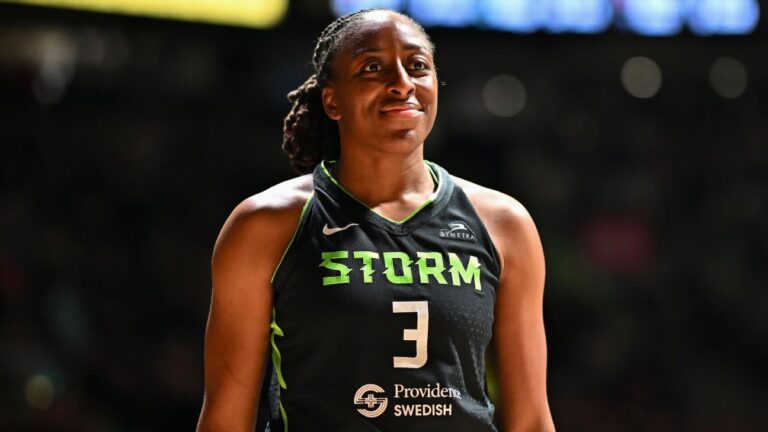
It took many months of back-and-forth negotiating and one final push in a marathon weeklong bargaining session. But the WNBA and the players association accomplished their mutually stated goal of a “transformational” collective bargaining agreement that permanently and positively changes the landscape of the league.

This CBA will benefit WNBA players in the present, the future and even from the past. The current players are getting big raises in salary, a real stake in revenue share and an improved workplace experience. For future players, their compensation will be based on the framework of gains made now. And with what’s called “recognition” payments, retired players — those who built the WNBA, which is entering its 30th season — will get cash payments if they have at least five years of service.

The official CBA hasn’t been made public yet. But with a document produced by the union and acquired by ESPN, we have enough information on the CBA terms to weigh in on what appear to be “wins” for everyone involved.

The heated rhetoric of the bargaining table now can give way to labor “peace” for at least six years. (It’s a seven-year deal with the potential of an opt-out after the 2031 season.) Here are the 10 biggest wins of the CBA that should be good not just for the players, but the product. Which in turn, helps the fans’ enjoyment and the owners’ bottom line.

1. Meaningful revenue sharing

Throughout the negotiations, revenue sharing was the biggest sticking point in getting a deal done. Why was it so important? Because it ties player compensation in a direct way to league growth. It’s a measurable metric that allows players to feel fully vested in and rewarded by not just their own individual success but what the league as a whole accomplishes.

Getting 20% of gross revenue is lower than the players’ original ask, but it’s a number that they and the owners can feel comfortable about. The players can build on this in future CBAs. The owners want to make sure franchises are financially healthy to protect their investment.

While it took a while to get to this number, agreement here was imperative.


2. Salaries that make sense

We’ve outlined how salary increases will grow for WNBA players at every level of experience and impact. This new salary scale doesn’t just put more money in the players’ pockets. It allows franchises more flexibility in how they build their teams. Some will have a bigger so-called “middle class” of players than others, based on how they choose to surround their most elite players.

These salaries also add a needed and justified level of prestige to the WNBA and its players. For 2026, salaries will range from a minimum of $270,000 to $1.4 million, with each team’s cap at $7 million (compared to $1.5 million in 2025). That’s not like the astronomical sums seen currently in the four major men’s professional sports in the United States. But compare where the WNBA is now to where those leagues were at a similar age. That’s a better measurement of the progress made in this CBA.


3. Codified charter travel

When the last CBA was signed in 2020, most would have assumed negotiating for charter flights would be a major issue for the next labor deal. Instead, the league went to charters in 2024, a big step forward regarding players’ health, recovery and comfort. All of which can affect the quality of play. Plus, charters largely rid the WNBA of embarrassing travel-issue stories that seemed to crop up a few times every season and make the league seem amateurish.

Because of the travel change in 2024, charters became less of a bargaining chip for this CBA. But it was still an important step to officially make it part of the CBA.

play

2:02

Nneka Ogwumike: WNBA players have ratified new CBA

WNBPA president Nneka Ogwumike joins “First Take” to break down the new collective bargaining agreement.


4. Prioritizing health and wellness

This comprises multiple aspects of the CBA. We’ve mentioned charters and how that decreases wear-and-tear on athletes, who rely on rest and recovery.

Teams’ medical staff requirements are mandated to be larger, including two athletic trainers, two team physicians, a strength and conditioning coach, a physical therapist, a massage therapist and access to a nutritionist. (Previously they were required to employ only an athletic trainer and a team physician.) In the event of injuries, players will be allowed to pursue a second opinion, if they want one, at the team’s expense.

By 2027, players can be reimbursed for up to $2,250 per season in mental health expenses. And by 2028, teams will have to meet minimum standards for practice facilities, which include private medical/treatment rooms.

Some franchises have been providing more than others in these areas. This CBA will make that standard practice for all of the teams.


5. Family-first commitments

The union and the WNBA have championed the needs and rights of mothers in the workplace, and this CBA goes further than any previous one in safeguarding those things. One new element is this: Teams must obtain her consent before trading a pregnant player.

After the 2022 season, the Las Vegas Aces and forward Dearica Hamby had a contentious parting when she was dealt to the Los Angeles Sparks. Hamby said she was traded because she was pregnant, while the Aces insisted she no longer fit into their plans from a personnel standpoint. Hamby filed suit against the Aces and the WNBA for what she thought was an inadequate investigation of the club’s actions. A federal judge dismissed the suit against the league last May, and Hamby and the Aces mutually agreed to dismiss her lawsuit against the franchise last December.

Still, the dispute between Hamby and the Aces is not something the league or the union wants to see happen again. The new CBA looks to take away any potential ambiguity of a team making a trade involving a pregnant player by requiring player approval.

Teams also will be allowed greater flexibility with the cap in covering the mandated full salary for a pregnant player. That helps protect the player and the team.

Other family-focused parts of the CBA include a life insurance policy increase for players to $700,000 from $100,000, a requirement to allow dependent children ages 13 or younger to be allowed to travel with teams, and two weeks’ paid leave for non-birthing parents.


6. Roster size guarantee

Injuries happen. Rest is necessary. Some players just need a little more time to grow into pro potential. Two key elements of the CBA address all of this.

Previously, teams were allowed to carry as many as 12 players, but they could have fewer players, especially as they navigated the salary cap. Now, 12 will be mandated. And up to two developmental players can be signed per team without that counting toward their roster or salary cap limits. The players can receive certain benefits and a stipend. They also can be activated for up to 12 games, being paid a pro-rated minimum salary for each game.

Even with expansion to 15 teams (18 by 2030), it is still difficult to make a roster. WNBA followers have often lamented the loss of young players who could have a future in the league but had a very narrow path at best to develop under the oversight of teams. Having developmental players lets franchises invest in future potential without it costing teams a roster spot.


7. Bigger rewards for performance

Players always want to give their best. But money is a powerful motivator for any professional, and the CBA recognizes this in two ways that stand out.

The first is increased performance bonuses for awards and achievements — everything from being chosen the league MVP to being on the all-WNBA first and second teams, to getting a championship share for the league title. Across the board, the cash prizes for these achievements are doubling, tripling or more. The league has gotten bad publicity at times in the past for awards that seemed paltry or trophies that were too small. This addresses that.

Also, players on rookie contracts now have a way to capitalize on honors such as all-league by accelerating into the potential max salary range by their fourth season.


8. More officiating dialogue and transparency

Every sport has officiating complaints. In the postseason last year, the WNBA’s officiating came under scrutiny when Minnesota Lynx coach Cheryl Reeve was ejected in Game 3 of the semifinals against the Phoenix Mercury. She then excoriated the league’s officiating in her postgame news conference, drawing a suspension for Game 4 and a $15,000 fine. Las Vegas Aces coach Becky Hammon and Indiana Fever coach Stephanie White both got $1,000 fines for essentially agreeing with some of Reeve’s assessments.

This CBA doesn’t bring any groundbreaking changes in officiating. But it does include that the union will be given access to any informational, educational, and points-of-emphasis videos regarding officiating. And it requires three meetings per season between the league and the union specifically to review flagrant fouls and technical fouls.

If nothing else, it should give the players more of a sense that their input on officiating is being heard.


9. Core designation compromise

Every successful CBA requires some compromises from both sides. This is an example of an issue that both sides found middle ground on. The union might have wanted to get rid of the core designation — the equivalent of the franchise tag in other sports — entirely because it can delay some players’ bargaining power and chance to move on.

This CBA didn’t get rid of the core. However, it changed the parameters. Previously, players could be “cored” up to two times in their careers, regardless of how many years of service they had. Starting in 2027, only players with six or fewer years of service can be cored.

It protects teams’ ability to hold onto their younger talent while still giving more experienced players the freedom to avoid being locked into a situation they may not want to be in.


10. Scheduling sensibility

The WNBA isn’t just expanding with teams, but also with games. By 2027, the league could have a 50-game regular season and by 2029, it could be 52 games. That would mean playing into November.

But there’s another element of scheduling that the union focused on, called “cadence.” Players and coaches at times have raised concerns about things such as the number of games they’ve played in a certain time frame, or having to go on especially long road swings with no home games. Even with the great convenience of charter flights, some scheduling demands have seemed almost punitive.

The CBA will include more provisions about scheduling to try to address such issues. That might not solve all the cadence issues, but should put more safeguards into scheduling.


Source link

NASA Artemis II crew speaks on upcoming lunar launch

0


  • Now Playing

    NASA Artemis II crew speaks on upcoming lunar launch

    01:22

  • UP NEXT

    Officer hangs off truck before fatally shooting driver

    00:41

  • Zelenskyy asked if Trump cares about the future of Ukraine

    01:25

  • DHS funding lapse becomes longest government shutdown

    00:18

  • Zelenskyy describes Russian intelligence sharing with Iran

    01:19

  • Sky turns bright red in Western Australia ahead of Tropical Cyclone Narelle

    00:11

  • Search on for missing diaper-clad kangaroo in Wisconsin

    01:09

  • Florida representative found guilty on ethics charges

    00:21

  • Peter Alexander announces departure from NBC News

    00:44

  • Tiger Woods seen walking out from Florida jail

    00:52

  • Multiple votes not enough to pass DHS funding

    00:37

  • House passes bill to fully fund DHS

    00:39

  • Body of missing flight attendant believed to be found

    00:20

  • Two students killed in Tennessee school bus crash

    00:22

  • What’s next in the DHS funding fight?

    01:42

  • Jane Fonda speaks at protest in D.C.

    00:56

  • GOP Rep. McClain: ‘We will not accept’ Senate bill on DHS funding

    01:15

  • Tiger Woods involved in rollover crash in Florida

    00:31

  • Johnson says House GOP will not support Senate DHS deal

    00:38

  • Gilgo Beach murder suspect expected to plead guilty

    00:22

NASA Artemis II crew speaks on upcoming lunar launch

Meet the Press

Meet the Press

Meet the Press

Meet the Press

Play All


Source link

Dietary supplement makers push the FDA to allow peptides and other new ingredients

0


Makers of dietary supplements are pushing the Food and Drug Administration to expand the types of ingredients they can put in their products, a change that could open the door to more marketing of peptides, probiotics and other trendy wellness offerings.The FDA was holding a public meeting on Friday to discuss its longstanding criteria for dietary supplements and whether they could be broadened to include substances that don’t come from food, vitamins, herbs or other traditional ingredients. FDA officials will hear from industry executives, consumer advocates and academics.It’s the first such meeting since Robert F. Kennedy Jr. became the nation’s top health official last year. Kennedy has vowed to “end the war at FDA” on dietary supplements, peptides and other products that are popular within his Make America Healthy Again movement.Friday’s meeting came at the request of the Natural Products Association, an industry group that has clashed with the FDA over certain new supplement ingredients. The group asked for the meeting in a January letter, citing “the cost and uncertainty that arise when regulatory expectations are unclear.”The FDA’s top food official, Kyle Diamantas, opened the meeting by underscoring the administration’s commitment to “cutting red tape” to lower the industry’s costs.”The industry has grown tremendously over the last 30 years yet the regulatory framework has largely stayed the same,” Diamantas told attendees.Here’s what to know about the issue:Many wellness products don’t qualify as supplementsUnder FDA regulations, supplements are deemed to be a category of food, with most of their ingredients coming from plants, herbs and other substances found in the American diet.That requirement has become a challenge for the industry in recent years as newer wellness products often feature substances that have never been used in food.Peptides, for instance, are druglike chains of amino acids that have been widely promoted by celebrities and influencers as a way to build muscle and look younger, although there’s little science supporting their use.Many specialty pharmacies and clinics sell them as injections or IV infusions, but some supplement makers have also begun adding them to capsules, gummies and powders.Technically, those products violate FDA rules, according to FDA lawyers. The same goes for certain types of probiotics, bacteria-containing products that are pitched to aid digestion and promote gut health.Companies argue that FDA law, as written, doesn’t specify that all ingredients must come from food.”The hope of the meeting is that FDA is willing to open up its interpretation of what constitutes a dietary ingredient to allow dietary substances that aren’t already in food,” said Robert Durkin, a former official in the FDA’s supplements program who now consults for companies.But consumer advocates warn that allowing new ingredients would vastly expand the market for supplements, which the FDA has long struggled to oversee.”FDA should focus on making the current market safer instead of allowing more chemicals and substances in supplements,” said Jensen Jose, senior regulatory counsel of the nonprofit Center for Science in the Public Interest, in a presentation at Friday’s meeting.Supplement makers view Kennedy as an allyKennedy recently declared himself “a big fan” of peptides, telling podcast host Joe Rogan that he’s personally used them to treat injuries. He also vowed to loosen FDA limits on producing injectable peptides, which have been subject to federal safety restrictions.Some of Kennedy’s allies and supporters are proponents of the chemicals, including Gary Brecka, a self-described “longevity expert,” who sells peptide injectables, patches and nasal sprays through his website.Dr. Mark Hyman, another Kennedy friend, sells dozens of dietary supplements, including some claiming to contain peptides, through his website.Two former health advisers from Kennedy’s presidential campaign also have ties to the industry.Calley Means, now serving as a senior adviser in the Department of Health and Human Services, co-founded an online platform that helps people spend tax-free health dollars on supplements and other wellness goods.Dr. Casey Means — his sister and President Donald Trump’s surgeon general nominee — made hundreds of thousands of dollars promoting supplements, probiotics and related products, according to financial disclosure forms.Supplements have never been subject to strict FDA oversightThe FDA does not review dietary supplements the way it approves drugs and other medical products after confirming their safety and effectiveness. The agency does not even have a list of all the products in circulation.With some 100,000 or more supplements on the market, manufacturers are legally responsible for making sure their products are safe and truthfully advertised, according to the FDA. Supplements can’t claim to treat specific diseases or medical conditions.The 1994 law that gave the FDA oversight of the industry also exempted supplement makers from nutrition labeling requirements, under which companies must scientifically support health claims.Instead, supplement makers can make more general claims, such as that their products maintain or support health and well-being.Some former regulators think that approach was a mistake.”It sanctioned unauthorized, implied health claims,” said Mitch Zeller, who worked on supplement issues at the FDA during the 1990s. “There are all manner of claims being made on supplement labeling or in advertising that are carefully worded to avoid making a drug or treatment claim.”Companies can also say their products improve the structure or function of certain body parts, such as strengthening bones. Products making general or specific claims must carry a disclaimer: “This statement has not been evaluated by the FDA.”

Makers of dietary supplements are pushing the Food and Drug Administration to expand the types of ingredients they can put in their products, a change that could open the door to more marketing of peptides, probiotics and other trendy wellness offerings.

The FDA was holding a public meeting on Friday to discuss its longstanding criteria for dietary supplements and whether they could be broadened to include substances that don’t come from food, vitamins, herbs or other traditional ingredients. FDA officials will hear from industry executives, consumer advocates and academics.

It’s the first such meeting since Robert F. Kennedy Jr. became the nation’s top health official last year. Kennedy has vowed to “end the war at FDA” on dietary supplements, peptides and other products that are popular within his Make America Healthy Again movement.

Friday’s meeting came at the request of the Natural Products Association, an industry group that has clashed with the FDA over certain new supplement ingredients. The group asked for the meeting in a January letter, citing “the cost and uncertainty that arise when regulatory expectations are unclear.”

The FDA’s top food official, Kyle Diamantas, opened the meeting by underscoring the administration’s commitment to “cutting red tape” to lower the industry’s costs.

“The industry has grown tremendously over the last 30 years yet the regulatory framework has largely stayed the same,” Diamantas told attendees.

Here’s what to know about the issue:

Many wellness products don’t qualify as supplements

Under FDA regulations, supplements are deemed to be a category of food, with most of their ingredients coming from plants, herbs and other substances found in the American diet.

That requirement has become a challenge for the industry in recent years as newer wellness products often feature substances that have never been used in food.

Peptides, for instance, are druglike chains of amino acids that have been widely promoted by celebrities and influencers as a way to build muscle and look younger, although there’s little science supporting their use.

Many specialty pharmacies and clinics sell them as injections or IV infusions, but some supplement makers have also begun adding them to capsules, gummies and powders.

Technically, those products violate FDA rules, according to FDA lawyers. The same goes for certain types of probiotics, bacteria-containing products that are pitched to aid digestion and promote gut health.

Companies argue that FDA law, as written, doesn’t specify that all ingredients must come from food.

“The hope of the meeting is that FDA is willing to open up its interpretation of what constitutes a dietary ingredient to allow dietary substances that aren’t already in food,” said Robert Durkin, a former official in the FDA’s supplements program who now consults for companies.

But consumer advocates warn that allowing new ingredients would vastly expand the market for supplements, which the FDA has long struggled to oversee.

“FDA should focus on making the current market safer instead of allowing more chemicals and substances in supplements,” said Jensen Jose, senior regulatory counsel of the nonprofit Center for Science in the Public Interest, in a presentation at Friday’s meeting.

Supplement makers view Kennedy as an ally

Kennedy recently declared himself “a big fan” of peptides, telling podcast host Joe Rogan that he’s personally used them to treat injuries. He also vowed to loosen FDA limits on producing injectable peptides, which have been subject to federal safety restrictions.

Some of Kennedy’s allies and supporters are proponents of the chemicals, including Gary Brecka, a self-described “longevity expert,” who sells peptide injectables, patches and nasal sprays through his website.

Dr. Mark Hyman, another Kennedy friend, sells dozens of dietary supplements, including some claiming to contain peptides, through his website.

Two former health advisers from Kennedy’s presidential campaign also have ties to the industry.

Calley Means, now serving as a senior adviser in the Department of Health and Human Services, co-founded an online platform that helps people spend tax-free health dollars on supplements and other wellness goods.

Dr. Casey Means — his sister and President Donald Trump’s surgeon general nominee — made hundreds of thousands of dollars promoting supplements, probiotics and related products, according to financial disclosure forms.

Supplements have never been subject to strict FDA oversight

The FDA does not review dietary supplements the way it approves drugs and other medical products after confirming their safety and effectiveness. The agency does not even have a list of all the products in circulation.

With some 100,000 or more supplements on the market, manufacturers are legally responsible for making sure their products are safe and truthfully advertised, according to the FDA. Supplements can’t claim to treat specific diseases or medical conditions.

The 1994 law that gave the FDA oversight of the industry also exempted supplement makers from nutrition labeling requirements, under which companies must scientifically support health claims.

Instead, supplement makers can make more general claims, such as that their products maintain or support health and well-being.

Some former regulators think that approach was a mistake.

“It sanctioned unauthorized, implied health claims,” said Mitch Zeller, who worked on supplement issues at the FDA during the 1990s. “There are all manner of claims being made on supplement labeling or in advertising that are carefully worded to avoid making a drug or treatment claim.”

Companies can also say their products improve the structure or function of certain body parts, such as strengthening bones. Products making general or specific claims must carry a disclaimer: “This statement has not been evaluated by the FDA.”


Source link

Co-Founding BOYSETSFIRE Drummer MATT KRUPANSKI Has Died

0


BoySetsFire co-founding drummer Matt Krupanski has sadly died. Krupanski originally played for Boysetsfire from their founding in 1994 to 2007 when they broke up, and then again from 2010 to 2012. We extend our deepest condolences to Krupanski‘s friends and family at this time.

The following is a statement from BoySetsFire: “We hate to write this. Today the BSF family lost one of our founding members, our drummer Matt Krupanski. Words are failing us. Snapshots of memories skitter through our mind. Picking him up for our first tour from high school which his parents had to give permission to leave early.

“Writing ATE and Rookie in his parents’ basement. Smoking cigars on the beach in North Carolina after playing a very misleading Bed and Breakfast (no bed no breakfast). His weird ass drummer gang with Tucker from Thursday, Mike from the Souls and Brandon from Rise Against.

“Abusing Tony Victorys open bar tab in Chicago. Our intense madden games which often led to near violence (not even kidding).

Matt playing guitar in Pussy Tim and the Mother Fuckers; a side project that wasn’t real at what we thought was a sparsely attending festival but when the lights came up there were 25000 people there. There is so much more.

“We are so fucking sorry George. We are so sorry Carla. We are so sorry Marc and Melissa. And our heart breaks for his daughter Georgie. We are so sorry.

“We are gutted. Our hearts are shredded. We lost a brother today. We are planning on a fund raiser for Georgie maybe for college or whatever the family decides. Matt you are missed and we love you.”

Want More Metal? Subscribe To Our Daily Newsletter

Enter your information below to get a daily update with all of our headlines and receive The Orchard Metal newsletter.


Source link