World leaders reacted warily to U.S. and Israeli strikes on Iran on Saturday that triggered concerns of a broader conflict.Related video above: Trump: U.S. starting ‘major combat operations’ in IranEuropean leaders held emergency meetings and took measures to protect their citizens in the Middle East, with key leaders calling for a negotiated settlement between Iran and the U.S. Australia and Canada were more open in their support for the strikes, while Russia and China responded with criticism.Britain, France and Germany called for a resumption of U.S.-Iran nuclear negotiations and condemned Iranian attacks on countries in the region. They did not directly comment on the U.S. and Israeli strikes on Iran.British Prime Minister Keir Starmer, French President Emmanuel Macron and German Chancellor Friedrich Merz said in a statement their countries did not take part in the strikes on Iran but are in close contact with the U.S., Israel and partners in the region.The three countries have led efforts to reach a negotiated solution over Iran’s nuclear program.“We condemn Iranian attacks on countries in the region in the strongest terms. Iran must refrain from indiscriminate military strikes. We call for a resumption of negotiations and urge the Iranian leadership to seek a negotiated solution. Ultimately, the Iranian people must be allowed to determine their future,” they said.The strikes on Iran create a dilemma for Washington’s allies. While European leaders firmly oppose Iran’s nuclear program and crackdowns by its hard-line theocracy, they are loath to embrace unilateral military action by President Donald Trump that could breach international law and unleash a broader conflict.Trump’s strikes on Iran last June, and the arrest of Venezuela’s Nicolas Maduro last month, caused a similar quandary.Russia’s Foreign Ministry called the strikes “a pre-planned and unprovoked act of armed aggression against a sovereign and independent U.N. member state.” The ministry accused Washington and Tel Aviv of “hiding behind” concerns about Iran’s nuclear program while actually pursuing regime change.China’s government said it was “highly concerned” about the U.S. and Israeli strikes on Iran and called for an immediate halt to the military action and a return to negotiations. “Iran’s sovereignty, security and territorial integrity should be respected,” a Chinese Foreign Ministry statement said.Concern of ‘new, extensive’ warIt was unclear whether U.S. allies were given any advance warning of the attacks. The German government said it was only given notice Saturday morning. France’s junior defense minister said France knew something would happen, but did not know when.Earlier on Saturday, Macron called for an emergency U.N. Security Council meeting in response to the strikes in Iran.“The outbreak of war among the United States, Israel and Iran has serious consequences for peace and international security,″ Macron said earlier on Saturday.Starmer chaired a meeting of the government’s emergency committee Saturday morning. “We do not want to see further escalation into a wider regional conflict,” a U.K. government spokesperson said.The German government’s crisis management team was also due to meet Saturday.“NATO is closely following developments in Iran and the region,” NATO spokesperson Allison Hart said.Australian Prime Minister Anthony Albanese said his country supports the U.S. in its effort to stop Iran from obtaining an atomic bomb. He described Iran’s current leadership as a destabilizing force and noted two attacks on Australian soil that were blamed on Tehran.Australia in August cut off diplomatic relations with Iran and expelled its ambassador after accusing it of orchestrating two antisemitic attacks in the country.Canada, too, despite recent tensions with the U.S., expressed its support for the military action. “The Islamic Republic of Iran is the principal source of instability and terror throughout the Middle East,” Prime Minister Mark Carney said.EU urges diplomacyResponding to the attack, the European Union’s top diplomat, Kaja Kallas, called the conflict in the Middle East “perilous” and said she was working with Israeli and Arab officials to pursue a negotiated peace.EU leaders issued a joint statement Saturday calling for restraint and engaging in regional diplomacy in hopes of “ensuring nuclear safety.”“We call on all parties to exercise maximum restraint, to protect civilians, and to fully respect international law,” said European Commission President Ursula von der Leyen and European Council President António Costa.Norwegian Foreign Minister Espen Barth Eide told Norwegian broadcaster NRK that he was concerned the failure of negotiations between the U.S. and Iran meant a “new, extensive war in the Middle East” would happen.‘Totally irresponsible’The Nobel Peace Prize-winning International Campaign to Abolish Nuclear Weapons condemned the U.S. and Israeli strikes on Iran in harsher words.“These attacks are totally irresponsible and risk provoking further escalation as well as increasing the danger of nuclear proliferation and the use of nuclear weapons,” said its executive director, Melissa Parke.Malaysian Prime Minister Anwar Ibrahim condemned Israeli strikes on Iran and accompanying U.S. military action, warning that the escalating conflict has pushed the Middle East to the “edge of catastrophe.”Pakistan’s Foreign Minister Ishaq Dar on Saturday condemned what he described as “unwarranted attacks” on Iran during a phone call with his Iranian counterpart Abbas Araghchi.___Ciobanu reported from Warsaw. Associated Press writers Angela Charlton in Paris, Paolo Santalucia in Rome, Suman Naishadham in Madrid, Elise Morton and Krutika Pathi in London, Jamey Keaton in Geneva, Eileen Ng in Kuala Lumpur, Fatma Khaled in Cairo, Ken Moritsugu in Beijing and Adam Schreck in Bangkok contributed to this report.
World leaders reacted warily to U.S. and Israeli strikes on Iran on Saturday that triggered concerns of a broader conflict.
Related video above: Trump: U.S. starting ‘major combat operations’ in Iran
European leaders held emergency meetings and took measures to protect their citizens in the Middle East, with key leaders calling for a negotiated settlement between Iran and the U.S. Australia and Canada were more open in their support for the strikes, while Russia and China responded with criticism.
Britain, France and Germany called for a resumption of U.S.-Iran nuclear negotiations and condemned Iranian attacks on countries in the region. They did not directly comment on the U.S. and Israeli strikes on Iran.
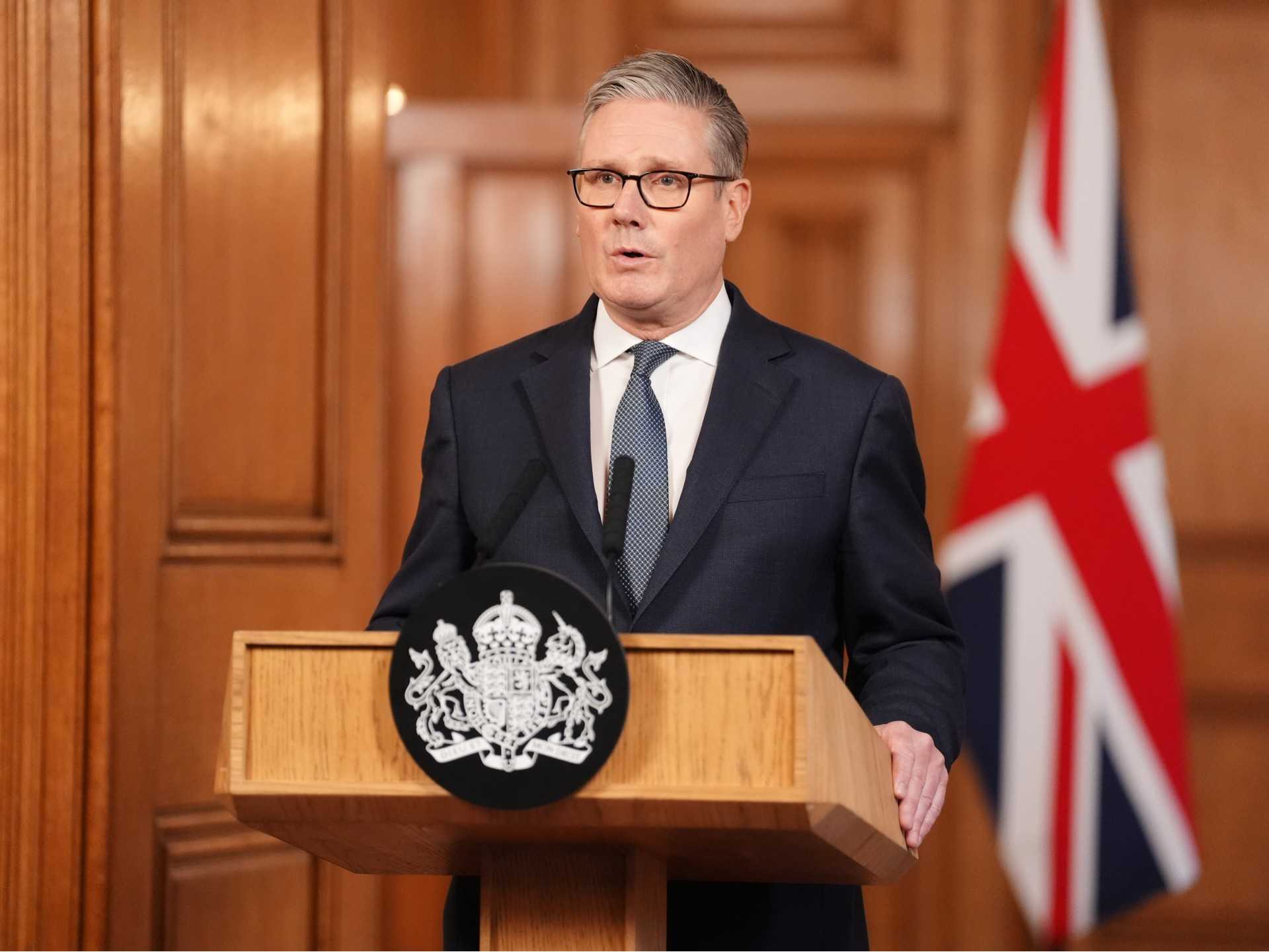
British Prime Minister Keir Starmer, French President Emmanuel Macron and German Chancellor Friedrich Merz said in a statement their countries did not take part in the strikes on Iran but are in close contact with the U.S., Israel and partners in the region.
The three countries have led efforts to reach a negotiated solution over Iran’s nuclear program.
“We condemn Iranian attacks on countries in the region in the strongest terms. Iran must refrain from indiscriminate military strikes. We call for a resumption of negotiations and urge the Iranian leadership to seek a negotiated solution. Ultimately, the Iranian people must be allowed to determine their future,” they said.
The strikes on Iran create a dilemma for Washington’s allies. While European leaders firmly oppose Iran’s nuclear program and crackdowns by its hard-line theocracy, they are loath to embrace unilateral military action by President Donald Trump that could breach international law and unleash a broader conflict.
Trump’s strikes on Iran last June, and the arrest of Venezuela’s Nicolas Maduro last month, caused a similar quandary.
Russia’s Foreign Ministry called the strikes “a pre-planned and unprovoked act of armed aggression against a sovereign and independent U.N. member state.” The ministry accused Washington and Tel Aviv of “hiding behind” concerns about Iran’s nuclear program while actually pursuing regime change.
China’s government said it was “highly concerned” about the U.S. and Israeli strikes on Iran and called for an immediate halt to the military action and a return to negotiations. “Iran’s sovereignty, security and territorial integrity should be respected,” a Chinese Foreign Ministry statement said.
Concern of ‘new, extensive’ war
It was unclear whether U.S. allies were given any advance warning of the attacks. The German government said it was only given notice Saturday morning. France’s junior defense minister said France knew something would happen, but did not know when.
Earlier on Saturday, Macron called for an emergency U.N. Security Council meeting in response to the strikes in Iran.
“The outbreak of war among the United States, Israel and Iran has serious consequences for peace and international security,″ Macron said earlier on Saturday.
Starmer chaired a meeting of the government’s emergency committee Saturday morning. “We do not want to see further escalation into a wider regional conflict,” a U.K. government spokesperson said.
The German government’s crisis management team was also due to meet Saturday.
“NATO is closely following developments in Iran and the region,” NATO spokesperson Allison Hart said.
Australian Prime Minister Anthony Albanese said his country supports the U.S. in its effort to stop Iran from obtaining an atomic bomb. He described Iran’s current leadership as a destabilizing force and noted two attacks on Australian soil that were blamed on Tehran.
Australia in August cut off diplomatic relations with Iran and expelled its ambassador after accusing it of orchestrating two antisemitic attacks in the country.
Canada, too, despite recent tensions with the U.S., expressed its support for the military action. “The Islamic Republic of Iran is the principal source of instability and terror throughout the Middle East,” Prime Minister Mark Carney said.
EU urges diplomacy
Responding to the attack, the European Union’s top diplomat, Kaja Kallas, called the conflict in the Middle East “perilous” and said she was working with Israeli and Arab officials to pursue a negotiated peace.
EU leaders issued a joint statement Saturday calling for restraint and engaging in regional diplomacy in hopes of “ensuring nuclear safety.”
“We call on all parties to exercise maximum restraint, to protect civilians, and to fully respect international law,” said European Commission President Ursula von der Leyen and European Council President António Costa.
Norwegian Foreign Minister Espen Barth Eide told Norwegian broadcaster NRK that he was concerned the failure of negotiations between the U.S. and Iran meant a “new, extensive war in the Middle East” would happen.
‘Totally irresponsible’
The Nobel Peace Prize-winning International Campaign to Abolish Nuclear Weapons condemned the U.S. and Israeli strikes on Iran in harsher words.
“These attacks are totally irresponsible and risk provoking further escalation as well as increasing the danger of nuclear proliferation and the use of nuclear weapons,” said its executive director, Melissa Parke.
Malaysian Prime Minister Anwar Ibrahim condemned Israeli strikes on Iran and accompanying U.S. military action, warning that the escalating conflict has pushed the Middle East to the “edge of catastrophe.”
Pakistan’s Foreign Minister Ishaq Dar on Saturday condemned what he described as “unwarranted attacks” on Iran during a phone call with his Iranian counterpart Abbas Araghchi.
___
Ciobanu reported from Warsaw. Associated Press writers Angela Charlton in Paris, Paolo Santalucia in Rome, Suman Naishadham in Madrid, Elise Morton and Krutika Pathi in London, Jamey Keaton in Geneva, Eileen Ng in Kuala Lumpur, Fatma Khaled in Cairo, Ken Moritsugu in Beijing and Adam Schreck in Bangkok contributed to this report.

