One month in, the U.S. war in Iran has impacted the global economy and millions of lives, with no clear end in sight. Now, one central question remains: why is the U.S. at war with Iran?A long list of history and events can help answer that question, and many may recall critical moments like the Iranian hostage crisis, Iran-Contra, and the nuclear deal reached under former President Barack Obama. But, University of South Florida professor Arman Mahmoudian, born in Tehran, says the current war stems from Iran’s struggle for regional power, tracing back most recently to the country’s role in the deadly Hamas attack on Israel.On Oct. 7, 2023, Hamas militants, a terrorist group backed and funded by Iran, launched their surprise attack, becoming a major inflection point for stability in the Middle East.”The attack inflicted the second largest Jewish casualty next to the Holocaust,” Mahmoudian said. “This changed the whole paradigm for the Israelis.”Since then, Israel has returned fire, fighting not just Hamas, but a network of militant groups backed by Iran across the region. Mahmoudian says Iran has often used proxy groups, like Hamas or Hezbollah, to maintain power. “Basically, you have others fight your fight in other countries with other people,” Mahmoudian said. “So, Iran moved towards funding militias everywhere that can fight its enemies.”It’s not just proxy groups. Iran’s continued pursuit of nuclear power has also raised alarms among Western countries, including the U.S.President Donald Trump has listed that as one of many reasons for the U.S.’ recent escalation with Iran. But, the President has also named other reasons, including regime change, peace, and U.S. national security among several others, for launching strikes on Iran beginning February 28th.Experts also suggest another motive: Iran’s vast oil reserves. Impacted supply could cut off adversaries like China that rely on the oil. It could also help the U.S. secure its dominance on the world stage.”Regime change in Iran would be considered pro-U.S.,” Mahmoudian said. “That would narrow down the flow of energy to China.”With years of mounting tensions now spilling into war, Mahmoudian says the fate of the Middle East and the fight over global power may rest on the war’s outcome. “It depends on how it ends,” Mahmoudian said.Timing may also explain why the war started. With protests happening inside Iran and instability surrounding the country in the Middle East, President Trump has said the US’ strikes on Iran were the “last best chance” to take out its missile and nuclear programs.Watch the latest coverage on the war in Iran:
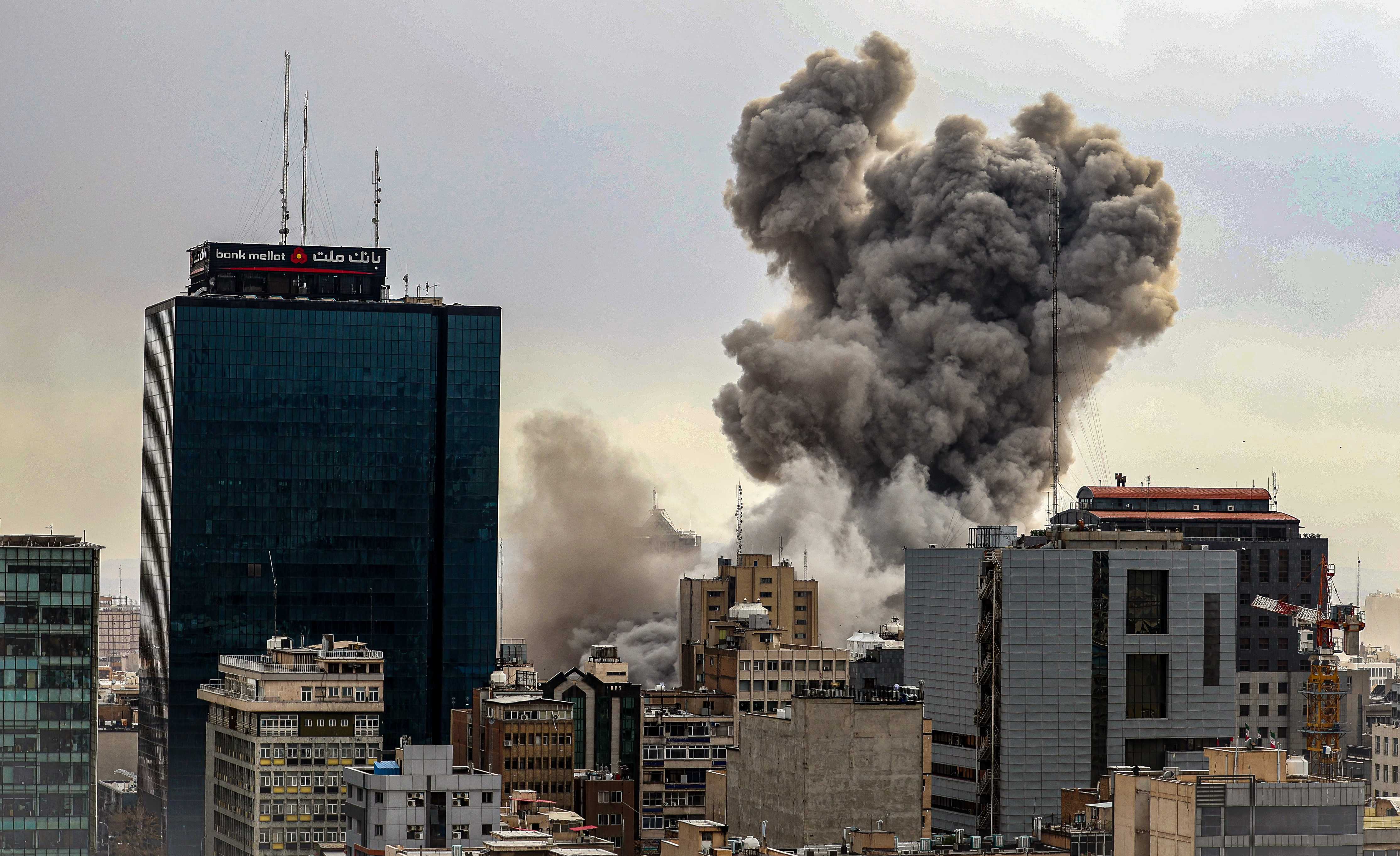
One month in, the U.S. war in Iran has impacted the global economy and millions of lives, with no clear end in sight. Now, one central question remains: why is the U.S. at war with Iran?
A long list of history and events can help answer that question, and many may recall critical moments like the Iranian hostage crisis, Iran-Contra, and the nuclear deal reached under former President Barack Obama.
But, University of South Florida professor Arman Mahmoudian, born in Tehran, says the current war stems from Iran’s struggle for regional power, tracing back most recently to the country’s role in the deadly Hamas attack on Israel.
On Oct. 7, 2023, Hamas militants, a terrorist group backed and funded by Iran, launched their surprise attack, becoming a major inflection point for stability in the Middle East.
“The attack inflicted the second largest Jewish casualty next to the Holocaust,” Mahmoudian said. “This changed the whole paradigm for the Israelis.”
Since then, Israel has returned fire, fighting not just Hamas, but a network of militant groups backed by Iran across the region.
Mahmoudian says Iran has often used proxy groups, like Hamas or Hezbollah, to maintain power.
“Basically, you have others fight your fight in other countries with other people,” Mahmoudian said. “So, Iran moved towards funding militias everywhere that can fight its enemies.”
It’s not just proxy groups. Iran’s continued pursuit of nuclear power has also raised alarms among Western countries, including the U.S.
President Donald Trump has listed that as one of many reasons for the U.S.’ recent escalation with Iran.
But, the President has also named other reasons, including regime change, peace, and U.S. national security among several others, for launching strikes on Iran beginning February 28th.
Experts also suggest another motive: Iran’s vast oil reserves. Impacted supply could cut off adversaries like China that rely on the oil. It could also help the U.S. secure its dominance on the world stage.
“Regime change in Iran would be considered pro-U.S.,” Mahmoudian said. “That would narrow down the flow of energy to China.”
With years of mounting tensions now spilling into war, Mahmoudian says the fate of the Middle East and the fight over global power may rest on the war’s outcome.
“It depends on how it ends,” Mahmoudian said.
Timing may also explain why the war started. With protests happening inside Iran and instability surrounding the country in the Middle East, President Trump has said the US’ strikes on Iran were the “last best chance” to take out its missile and nuclear programs.
Watch the latest coverage on the war in Iran:

