Cases of a specific respiratory virus are spiking in several states across the U.S. right now. In California, concentrations of HMPV were high in San Francisco, Sacramento, Napa and several other areas based on recent WastewaterSCAN data. Officials in New Jersey also reported elevated positivity for HMPV at emergency rooms across the state.Human Metapneumovirus, also known as HMPV, is in the same family as respiratory syncytial virus (RSV).Here’s what we know about it.What are the symptoms? According to the U.S. Centers for Disease Control and Prevention, HMPV “can cause upper and lower respiratory illness in people of all ages, especially in young children, older adults, and people with weakened immune systems.”Symptoms typically include cough, fever, nasal congestion and shortness of breath. These symptoms can also progress to bronchitis and pneumonia for some people.How does it spread?The CDC says HMPV likely spreads through the air from coughing and sneezing; close personal contact by touching or shaking hands; and touching objects or surfaces with the virus on them before touching your mouth, nose or eyes.Each year, the CDC says HMPV typically circulates in the U.S. from winter through spring. What are the potential complications?Those with severe illness from HMPV may experience asthma attacks, middle ear infections, bronchiolitis, croup and fever, according to the CDC. Those with chronic obstructive pulmonary disease can also experience complications from HMPV. The virus can also lead to pneumonia for older adults and people with weakened immune symptoms. How to prevent HMPVWhen it comes to HMPV, the CDC recommends taking steps you normally would to prevent catching an illness, such as:• Cover your mouth and nose with a tissue when you cough and sneeze. If you don’t hav a tissue, cough or sneeze into your elbow instead of your hands.• Use proper handwashing techniques and wash your hands often, especially in childcare settings and health care facilities.• Clean frequently touched surfaces in your home, such as countertops, handrails and doorknobs. How do I know if I have HMPV?The CDC says HMPV is not routinely considered or tested for since there is no treatment, but testing can help guide your doctor on decisions about isolating, prescribing antibiotics and further testing.For those who are showing severe symptoms, testing for HMPV can detect viruses and bacteria. Tests are typically performed using nasal or throat swabs. How is HMPV treated?While there’s no specific antiviral treatment or vaccine for HMPV, the CDC says most people can recover on their own with rest and drinking plenty of fluids.
Cases of a specific respiratory virus are spiking in several states across the U.S. right now.
In California, concentrations of HMPV were high in San Francisco, Sacramento, Napa and several other areas based on recent WastewaterSCAN data. Officials in New Jersey also reported elevated positivity for HMPV at emergency rooms across the state.
Human Metapneumovirus, also known as HMPV, is in the same family as respiratory syncytial virus (RSV).
Here’s what we know about it.
What are the symptoms?
According to the U.S. Centers for Disease Control and Prevention, HMPV “can cause upper and lower respiratory illness in people of all ages, especially in young children, older adults, and people with weakened immune systems.”
Symptoms typically include cough, fever, nasal congestion and shortness of breath. These symptoms can also progress to bronchitis and pneumonia for some people.
How does it spread?
The CDC says HMPV likely spreads through the air from coughing and sneezing; close personal contact by touching or shaking hands; and touching objects or surfaces with the virus on them before touching your mouth, nose or eyes.
Each year, the CDC says HMPV typically circulates in the U.S. from winter through spring.
What are the potential complications?
Those with severe illness from HMPV may experience asthma attacks, middle ear infections, bronchiolitis, croup and fever, according to the CDC.
Those with chronic obstructive pulmonary disease can also experience complications from HMPV. The virus can also lead to pneumonia for older adults and people with weakened immune symptoms.
How to prevent HMPV
When it comes to HMPV, the CDC recommends taking steps you normally would to prevent catching an illness, such as:
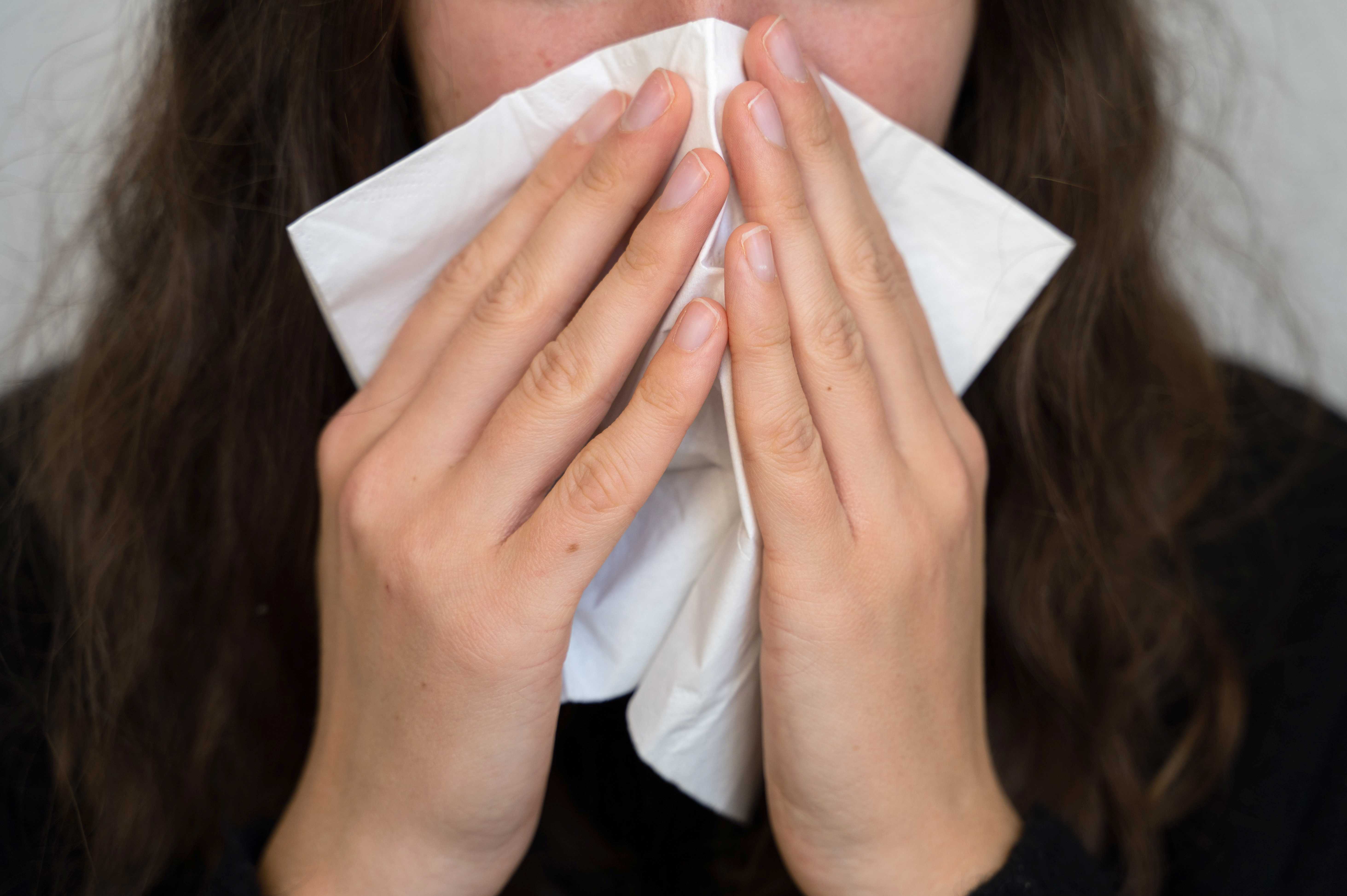
• Cover your mouth and nose with a tissue when you cough and sneeze. If you don’t hav a tissue, cough or sneeze into your elbow instead of your hands.
• Use proper handwashing techniques and wash your hands often, especially in childcare settings and health care facilities.
• Clean frequently touched surfaces in your home, such as countertops, handrails and doorknobs.
How do I know if I have HMPV?
The CDC says HMPV is not routinely considered or tested for since there is no treatment, but testing can help guide your doctor on decisions about isolating, prescribing antibiotics and further testing.
For those who are showing severe symptoms, testing for HMPV can detect viruses and bacteria. Tests are typically performed using nasal or throat swabs.
How is HMPV treated?
While there’s no specific antiviral treatment or vaccine for HMPV, the CDC says most people can recover on their own with rest and drinking plenty of fluids.

