A new exhibit in Albuquerque is celebrating 100 years of Route 66, highlighting the people, places, and cultures that have shaped the iconic highway. “This, to me, was very much like, this is New Mexico. This is our Route 66,” one participant said. The exhibit features more than 400 pieces of art created by a wide range of artists, each reflecting a different aspect of the Duke City and the highway’s legacy. “This encapsulates all of Route 66 here in Albuquerque. This is everything that we experience,” another participant said. Stretching across eight states and more than 2,400 miles, Route 66 is more than just a highway. It has long been a symbol of freedom and the American dream, while also telling a deeper story of encounter, displacement, and settlement. “When I saw it, I knew that this had to be in our Route 66 show. This just seemed to blend those worlds together,” one contributor said. “Some of these pieces try to demonstrate the diversity of Route 66,” another participant said. The exhibit explores the many layers of the road, including the experiences of immigrant and refugee communities, LGBTQ community members, and others who share the history of Route 66. “Immigrant, refugee communities, LGBTQ community members, lots of different people who all share the road, and we all share this history together,” one organizer said. “We reach out directly or were put in touch with other folks, so it’s been an incredible movement of community building,” they added. The artwork ranges from recreations of storefront windows to depictions of classic cars, reflecting the memories and history tied to Route 66. “When we think of Route 66, we think of classic cars, but we know that cruising is certainly part of what we do here,” one artist said. “I really wanted to recreate a storefront window. This is supposed to be a nod to Christer Holiser’s store that was a store here in Albuquerque,” another artist said. Another piece highlights the role of Central Avenue during wartime, serving as a conduit for the transportation of people, goods, and military equipment. “Central Avenue kind of used as a conduit for war, transportation of people, of goods, of military equipment. Many people traveled Route 66 because they joined the service or were looking for work in the war industry,” one participant said. One standout artwork by Luis Tapia offers a view from inside a driver’s windshield. “This piece by Luis Tapia is one of the most incredible ones that I didn’t know I needed until I saw it,” one attendee said. “It’s a 1964 car. We see the cracked windshield, we see the view of downtown Albuquerque, and the saints looking out with Guadalupe looking back at us,” they added. Years in the making, the exhibit honors a road that has shaped Albuquerque for a century, while reminding visitors that Route 66 is not just about memories but also about the people who gave it life. “It’s the lifeblood, right? It’s the lifeline of our community here,” one participant said. “The infrastructure around it may change a little bit, but it will always be a celebrated part of who we are,” they added. The exhibit will also feature several public programs throughout the rest of the year.For a full schedule, click here.
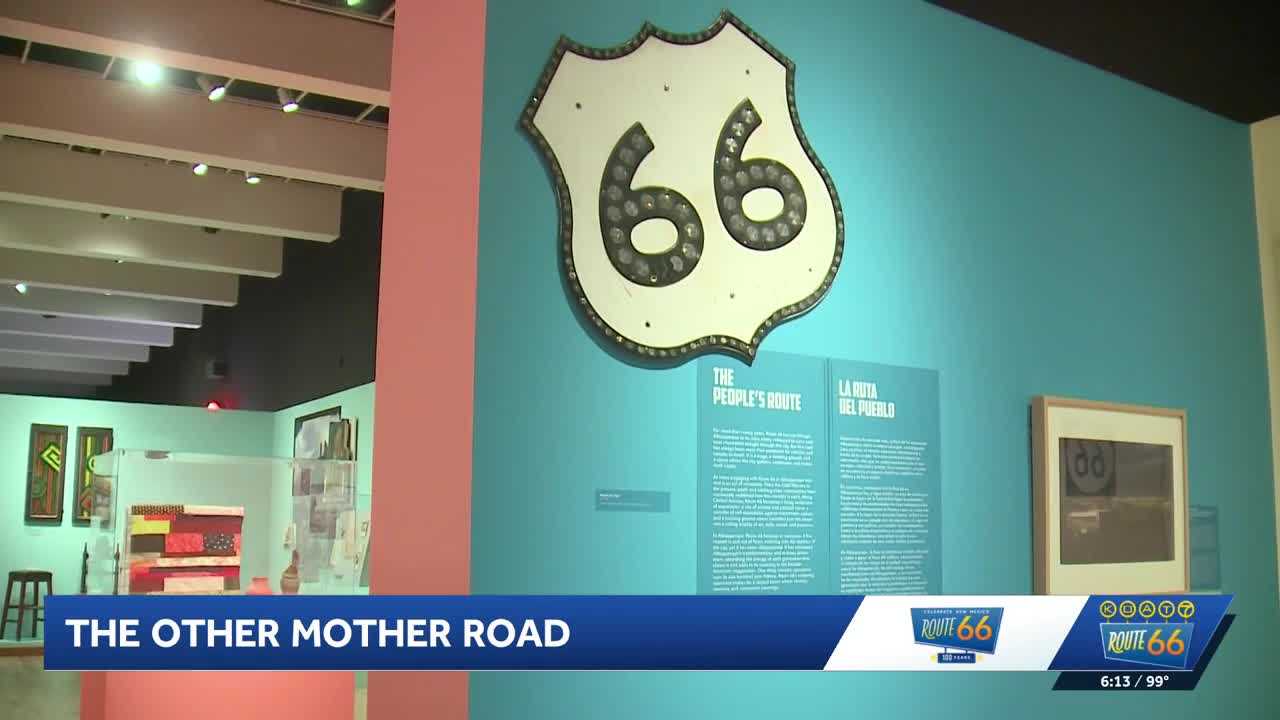
A new exhibit in Albuquerque is celebrating 100 years of Route 66, highlighting the people, places, and cultures that have shaped the iconic highway.
“This, to me, was very much like, this is New Mexico. This is our Route 66,” one participant said.
The exhibit features more than 400 pieces of art created by a wide range of artists, each reflecting a different aspect of the Duke City and the highway’s legacy.
“This encapsulates all of Route 66 here in Albuquerque. This is everything that we experience,” another participant said.
Stretching across eight states and more than 2,400 miles, Route 66 is more than just a highway. It has long been a symbol of freedom and the American dream, while also telling a deeper story of encounter, displacement, and settlement.
“When I saw it, I knew that this had to be in our Route 66 show. This just seemed to blend those worlds together,” one contributor said.
“Some of these pieces try to demonstrate the diversity of Route 66,” another participant said.
The exhibit explores the many layers of the road, including the experiences of immigrant and refugee communities, LGBTQ community members, and others who share the history of Route 66.
“Immigrant, refugee communities, LGBTQ community members, lots of different people who all share the road, and we all share this history together,” one organizer said.
“We reach out directly or were put in touch with other folks, so it’s been an incredible movement of community building,” they added.
The artwork ranges from recreations of storefront windows to depictions of classic cars, reflecting the memories and history tied to Route 66.
“When we think of Route 66, we think of classic cars, but we know that cruising is certainly part of what we do here,” one artist said.
“I really wanted to recreate a storefront window. This is supposed to be a nod to Christer Holiser’s store that was a store here in Albuquerque,” another artist said.
Another piece highlights the role of Central Avenue during wartime, serving as a conduit for the transportation of people, goods, and military equipment.
“Central Avenue kind of used as a conduit for war, transportation of people, of goods, of military equipment. Many people traveled Route 66 because they joined the service or were looking for work in the war industry,” one participant said.
One standout artwork by Luis Tapia offers a view from inside a driver’s windshield.
“This piece by Luis Tapia is one of the most incredible ones that I didn’t know I needed until I saw it,” one attendee said.
“It’s a 1964 car. We see the cracked windshield, we see the view of downtown Albuquerque, and the saints looking out with Guadalupe looking back at us,” they added.
Years in the making, the exhibit honors a road that has shaped Albuquerque for a century, while reminding visitors that Route 66 is not just about memories but also about the people who gave it life.
“It’s the lifeblood, right? It’s the lifeline of our community here,” one participant said.
“The infrastructure around it may change a little bit, but it will always be a celebrated part of who we are,” they added.
The exhibit will also feature several public programs throughout the rest of the year.
For a full schedule, click here.

