After a decades-long investigation, the National Park Service has announced human remains found nearly 26 years ago inside a sleeping bag in a national park in the Pacific Northwest have been identified using modern DNA technology.NPS on Wednesday said the skeletal remains found in 2000 at Olympic National Park in Washington state were those of Hawaii-native Joseph Louis Serrao Jr., who went missing in the 1990s.A researcher notified authorities after finding the skeletal remains in a sleeping bag that was in a tent in a remote area of the Sol Duc River drainage.The identification was made following an investigation that included the National Park Service Investigative Services Branch, the King County Medical Examiner’s Office, and “advanced genetic testing and analysis” by Othram, which is a laboratory that specializes in forensic genealogy.After Serrao’s remains were found, a pathologist with the King County Medical Examiner’s Office determined the person had been deceased for six months to four years.At the time, investigators estimated that the person was between 30 and 50 years old. The Washington State Patrol Crime Laboratory, at the time, also processed items found at the campsite; however, investigators weren’t able to find usable fingerprints to identify the individual. In 2024, a forensic anthropologist with the medical examiner’s office submitted a sample of DNA from the remains to Othram. After analyzing “a broad range of DNA markers” to ID potential relatives and find investigative leads, the laboratory identified possible family connections last year.The NPS Investigative Services Branch said it contacted relatives in multiple states, including Hawaii. They coordinated interviews and collected reference DNA samples for comparison.NPS said investigators were able to ID the remains as those of Serrao based on “genetic, genealogical, and circumstantial evidence.”Family members told investigators that Serrao was from Hawaii and had been in Washington before he went missing, and that the last known contact with him was in 1998. “This case remained unresolved for nearly 30 years, but investigators never lost sight of the goal of identifying this individual and finding answers for his family,” said Debra Flowers, deputy chief of the National Park Service Investigative Services Branch. “I’m proud of the persistence and collaboration that made this identification possible, and I hope it brings some measure of closure to those who have spent so many years wondering what happened to Joseph.”
After a decades-long investigation, the National Park Service has announced human remains found nearly 26 years ago inside a sleeping bag in a national park in the Pacific Northwest have been identified using modern DNA technology.
NPS on Wednesday said the skeletal remains found in 2000 at Olympic National Park in Washington state were those of Hawaii-native Joseph Louis Serrao Jr., who went missing in the 1990s.
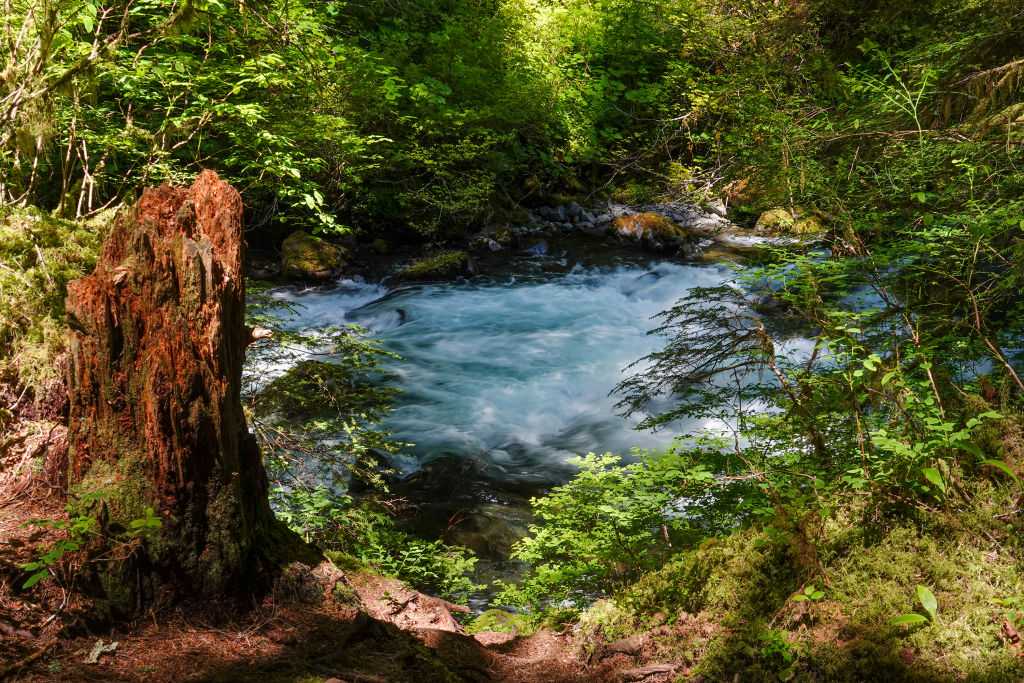
A researcher notified authorities after finding the skeletal remains in a sleeping bag that was in a tent in a remote area of the Sol Duc River drainage.
The identification was made following an investigation that included the National Park Service Investigative Services Branch, the King County Medical Examiner’s Office, and “advanced genetic testing and analysis” by Othram, which is a laboratory that specializes in forensic genealogy.
After Serrao’s remains were found, a pathologist with the King County Medical Examiner’s Office determined the person had been deceased for six months to four years.
At the time, investigators estimated that the person was between 30 and 50 years old. The Washington State Patrol Crime Laboratory, at the time, also processed items found at the campsite; however, investigators weren’t able to find usable fingerprints to identify the individual.
In 2024, a forensic anthropologist with the medical examiner’s office submitted a sample of DNA from the remains to Othram. After analyzing “a broad range of DNA markers” to ID potential relatives and find investigative leads, the laboratory identified possible family connections last year.
The NPS Investigative Services Branch said it contacted relatives in multiple states, including Hawaii. They coordinated interviews and collected reference DNA samples for comparison.
NPS said investigators were able to ID the remains as those of Serrao based on “genetic, genealogical, and circumstantial evidence.”
Family members told investigators that Serrao was from Hawaii and had been in Washington before he went missing, and that the last known contact with him was in 1998.
“This case remained unresolved for nearly 30 years, but investigators never lost sight of the goal of identifying this individual and finding answers for his family,” said Debra Flowers, deputy chief of the National Park Service Investigative Services Branch. “I’m proud of the persistence and collaboration that made this identification possible, and I hope it brings some measure of closure to those who have spent so many years wondering what happened to Joseph.”

