Secretary of Defense Pete Hegseth confirmed reports that the Pentagon is seeking $200 billion to replenish the U.S. weapons stockpile amid the war in Iran. The request must get White House approval before a formal request is made to Congress.”It takes money killing bad guys,” Hegseth said in a press conference on Tuesday.At least one expert estimates that the war in Iran has cost the U.S. around $20 billion so far. Currently, the daily cost is estimated at half a billion dollars.But the remaining $180 billion request is intended for replenishing weapons for potential future conflicts.”It’s not just replenishing munitions that were expended, but also increasing inventories for future requirements,” Mark Cancian from the Center of Strategic and International Studies (CSIS) said. “And it’s not an immediate bill in the sense that the United States has to shell it out today, but once the money passes, they’ll start to sign contracts. It will take several years for the munitions to actually be delivered.”Hegseth said the money would be needed to keep U.S. national security intact. President Donald Trump agreed.”It’s a small price to pay to make sure that we stay tippy top,” Trump said to reporters’ questions Thursday. “We were in very good shape, but we want to be in the best shape, the best shape we’ve ever been in.”Congress will have the final say on the multi-billion-dollar request, with some lawmakers already signaling opposition over domestic concerns. “I’m tired of the industrial war complex getting all of our hard-earned tax dollars,” Rep. Lauren Boebert, R-Colo., said. “I have folks in Colorado who can’t afford to live.” “Let’s focus on bringing down housing costs, bringing down healthcare costs, bringing down grocery bills,” House Minority Leader Hakeem Jeffries, D-N.Y., said.The Trump administration has proposed a record $1.5 trillion defense budget for next year, but it remains unclear if the $200 billion will be factored into the budget or considered supplemental funding on top. Cancian compared the request to the Iraq and Afghanistan wars in 2008, when President George W. Bush’s largest wartime request was also around $200 billion, funding two wars for a year. More recently, in 2024, the House approved $95 billion for supplemental aid to Ukraine, Israel, and Taiwan.Watch the latest coverage on the war in Iran:
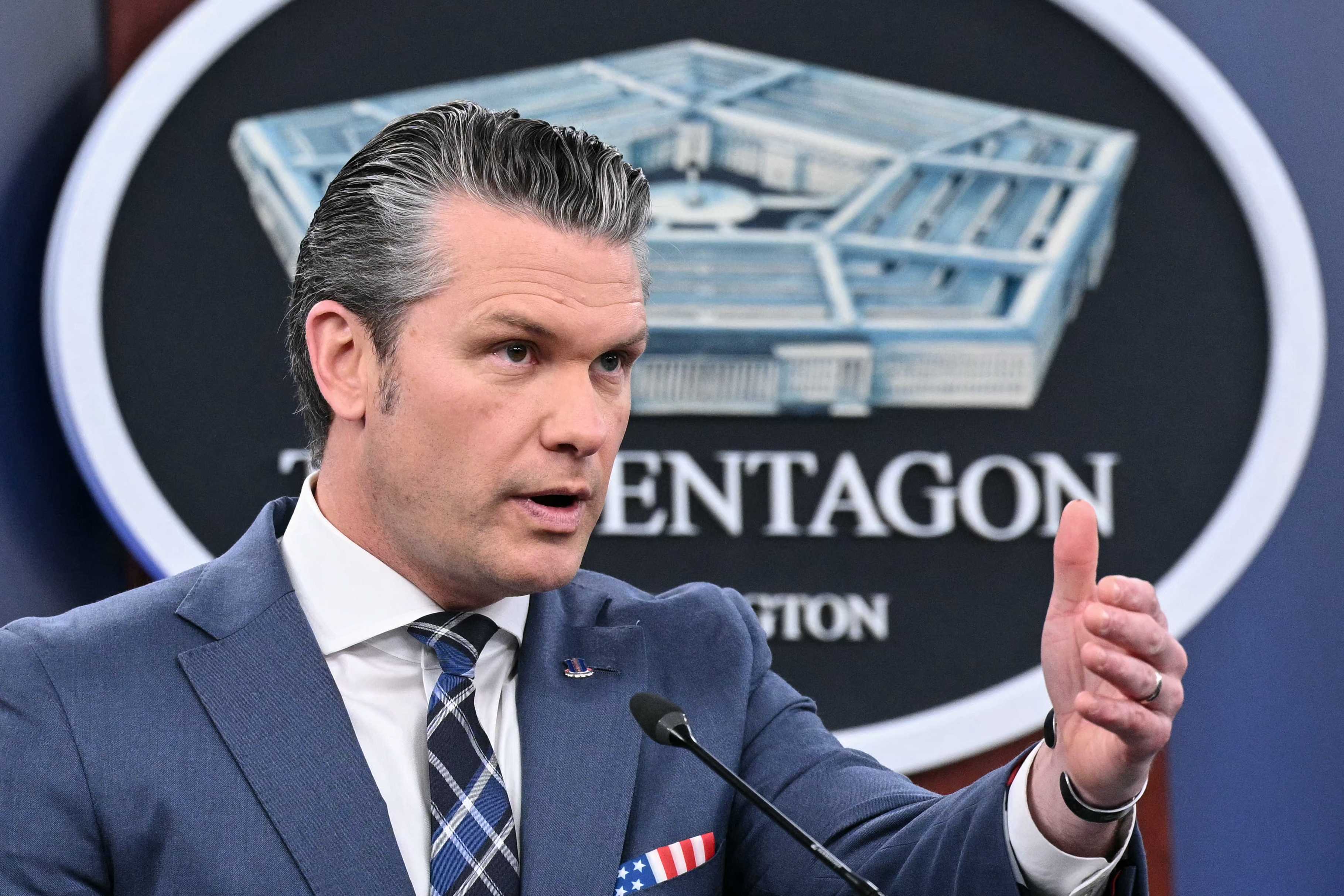
Secretary of Defense Pete Hegseth confirmed reports that the Pentagon is seeking $200 billion to replenish the U.S. weapons stockpile amid the war in Iran. The request must get White House approval before a formal request is made to Congress.
“It takes money killing bad guys,” Hegseth said in a press conference on Tuesday.
At least one expert estimates that the war in Iran has cost the U.S. around $20 billion so far. Currently, the daily cost is estimated at half a billion dollars.
But the remaining $180 billion request is intended for replenishing weapons for potential future conflicts.
“It’s not just replenishing munitions that were expended, but also increasing inventories for future requirements,” Mark Cancian from the Center of Strategic and International Studies (CSIS) said. “And it’s not an immediate bill in the sense that the United States has to shell it out today, but once the money passes, they’ll start to sign contracts. It will take several years for the munitions to actually be delivered.”
Hegseth said the money would be needed to keep U.S. national security intact. President Donald Trump agreed.
“It’s a small price to pay to make sure that we stay tippy top,” Trump said to reporters’ questions Thursday. “We were in very good shape, but we want to be in the best shape, the best shape we’ve ever been in.”
Congress will have the final say on the multi-billion-dollar request, with some lawmakers already signaling opposition over domestic concerns.
“I’m tired of the industrial war complex getting all of our hard-earned tax dollars,” Rep. Lauren Boebert, R-Colo., said. “I have folks in Colorado who can’t afford to live.”
“Let’s focus on bringing down housing costs, bringing down healthcare costs, bringing down grocery bills,” House Minority Leader Hakeem Jeffries, D-N.Y., said.
The Trump administration has proposed a record $1.5 trillion defense budget for next year, but it remains unclear if the $200 billion will be factored into the budget or considered supplemental funding on top.
Cancian compared the request to the Iraq and Afghanistan wars in 2008, when President George W. Bush’s largest wartime request was also around $200 billion, funding two wars for a year. More recently, in 2024, the House approved $95 billion for supplemental aid to Ukraine, Israel, and Taiwan.
Watch the latest coverage on the war in Iran:

