Tensions between Iran and the United States escalated in recent weeks as both countries traded barbs amid attempts at diplomacy — all centered around enrichment of uranium. Early Saturday morning, President Donald Trump announced “major combat operations” in the country.The military action follows years of intensifying distrust after the U.S. withdrew from a 2015 nuclear deal, imposed sanctions and engaged in direct strikes on Iranian nuclear sites last year during a 12-day war between Iran and Israel.The Get the Facts Data Team researched and analyzed what is known about Iran’s nuclear capabilities and what it means for stability in the Middle East and beyond.Profile of IranThe Islamic Republic of Iran, as it is officially known, is the second-largest nation by land mass in the Middle East. The government is controlled by a Supreme Leader, Ayatollah Ali Khamenei, with an elected president as the second-in-command.Tehran, the nation’s capital, is the economic center and largest populated city with about 9 million people. Tehran is approximately 6,300 miles from Washington, D.C., and 1,500 miles from Moscow. Iran is also less than 1,000 miles from Israel, a longtime strategic ally of the United States.The mountainous country is sandwiched between Iraq and Afghanistan and bordered to the north by the Caspian Sea, and the Persian Gulf and Gulf of Oman to the South. The U.S. Department of State has previously called Iran the “world’s leading state sponsor of terror.”Nuclear and missile sitesIran is rich in oil, and according to data from the Energy Institute, oil accounts for less than half of the country’s energy generation, while natural gas is the dominant source. Nuclear power accounts for a sliver of energy production.The Nuclear Threat Initiative (NTI), a nonprofit, nonpartisan global security organization, reported Iran had 30 nuclear sites and 17 missile sites in 2025, prior to the U.S. airstrikes on its facilities. Following the strikes, Trump declared, “Monumental Damage was done to all Nuclear sites in Iran, as shown by satellite images. Obliteration is an accurate term!” Eight months later, U.S. officials have expressed grave concerns that Iran is enriching uranium with dangerous intentions. As recent rounds of indirect talks with Iran in Geneva fell short of a restrictive nuclear deal, Trump expressed he was “not exactly happy” with how Iran was negotiating. “They cannot have nuclear weapons,” he told reporters.Iran insists it has the right to enrich uranium for peaceful purposes and denies building or seeking a nuclear weapon.Watch Below: President Trump’s full video statement on Iran attacksUranium stockpileRecently, over five years, Iran accelerated building its stockpile of uranium enriched up to 60%, according to the International Atomic Energy Agency.Data from the IAEA shows Iran’s supply multiplying by nearly 200 times, going from around five pounds in 2021 to nearly 1,000 in June 2025. An IAEA report estimated Iran may have had nearly 20,000 pounds of enriched uranium in June 2025, prior to the U.S. and Israeli airstrikes, which seemingly hurt its ability to further enrich and convert uranium at a rapid pace. However, NTI predicted Iran would try to rebuild enrichment facilities.While uranium enriched to 60% is not military grade, which is 90%, energy experts have noted that the most difficult part of the process has been completed at 60%, and from there, the pathway to a weapon is short. The US military landscape The United States has several bases in and around the Middle East.Government data identifies approximately 20 American bases in nations including Turkey, Jordan, Iraq, Saudi Arabia and the UAE. Kuwait, less than 500 miles southwest of Tehran, holds five U.S. military bases.In March 2024, there were 5,400 U.S. service members stationed across the Middle East.
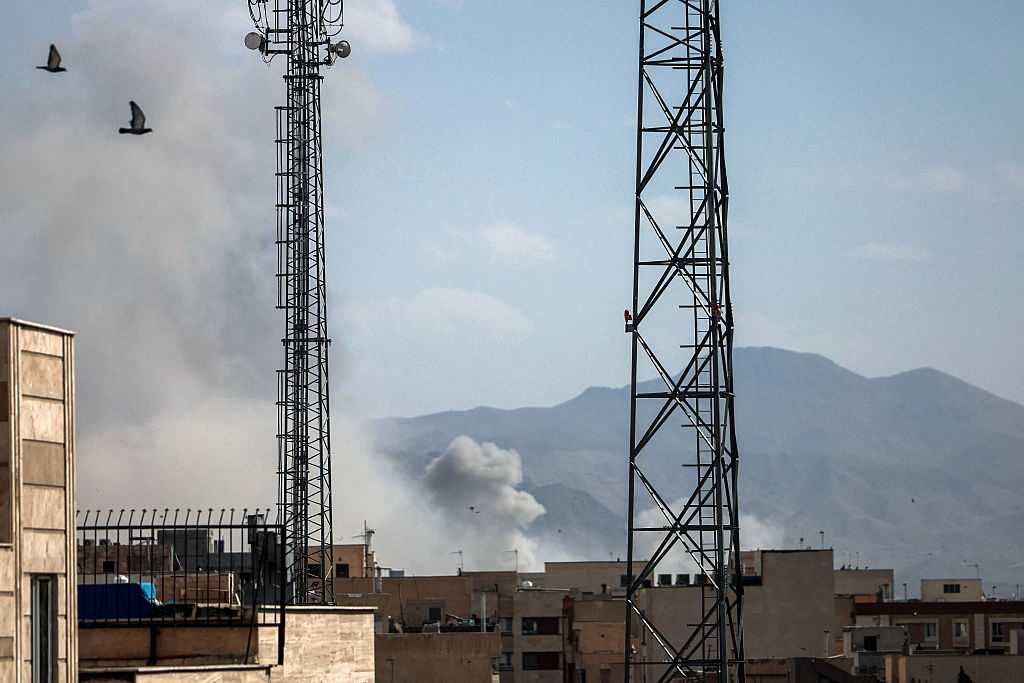
Tensions between Iran and the United States escalated in recent weeks as both countries traded barbs amid attempts at diplomacy — all centered around enrichment of uranium. Early Saturday morning, President Donald Trump announced “major combat operations” in the country.
The military action follows years of intensifying distrust after the U.S. withdrew from a 2015 nuclear deal, imposed sanctions and engaged in direct strikes on Iranian nuclear sites last year during a 12-day war between Iran and Israel.
The Get the Facts Data Team researched and analyzed what is known about Iran’s nuclear capabilities and what it means for stability in the Middle East and beyond.
Profile of Iran
The Islamic Republic of Iran, as it is officially known, is the second-largest nation by land mass in the Middle East. The government is controlled by a Supreme Leader, Ayatollah Ali Khamenei, with an elected president as the second-in-command.
Tehran, the nation’s capital, is the economic center and largest populated city with about 9 million people. Tehran is approximately 6,300 miles from Washington, D.C., and 1,500 miles from Moscow. Iran is also less than 1,000 miles from Israel, a longtime strategic ally of the United States.
The mountainous country is sandwiched between Iraq and Afghanistan and bordered to the north by the Caspian Sea, and the Persian Gulf and Gulf of Oman to the South.
The U.S. Department of State has previously called Iran the “world’s leading state sponsor of terror.”
Nuclear and missile sites
Iran is rich in oil, and according to data from the Energy Institute, oil accounts for less than half of the country’s energy generation, while natural gas is the dominant source. Nuclear power accounts for a sliver of energy production.
The Nuclear Threat Initiative (NTI), a nonprofit, nonpartisan global security organization, reported Iran had 30 nuclear sites and 17 missile sites in 2025, prior to the U.S. airstrikes on its facilities.
Following the strikes, Trump declared, “Monumental Damage was done to all Nuclear sites in Iran, as shown by satellite images. Obliteration is an accurate term!”
Eight months later, U.S. officials have expressed grave concerns that Iran is enriching uranium with dangerous intentions. As recent rounds of indirect talks with Iran in Geneva fell short of a restrictive nuclear deal, Trump expressed he was “not exactly happy” with how Iran was negotiating. “They cannot have nuclear weapons,” he told reporters.
Iran insists it has the right to enrich uranium for peaceful purposes and denies building or seeking a nuclear weapon.
Watch Below: President Trump’s full video statement on Iran attacks
Uranium stockpile
Recently, over five years, Iran accelerated building its stockpile of uranium enriched up to 60%, according to the International Atomic Energy Agency.
Data from the IAEA shows Iran’s supply multiplying by nearly 200 times, going from around five pounds in 2021 to nearly 1,000 in June 2025.
An IAEA report estimated Iran may have had nearly 20,000 pounds of enriched uranium in June 2025, prior to the U.S. and Israeli airstrikes, which seemingly hurt its ability to further enrich and convert uranium at a rapid pace. However, NTI predicted Iran would try to rebuild enrichment facilities.
While uranium enriched to 60% is not military grade, which is 90%, energy experts have noted that the most difficult part of the process has been completed at 60%, and from there, the pathway to a weapon is short.
The US military landscape
The United States has several bases in and around the Middle East.
Government data identifies approximately 20 American bases in nations including Turkey, Jordan, Iraq, Saudi Arabia and the UAE. Kuwait, less than 500 miles southwest of Tehran, holds five U.S. military bases.
In March 2024, there were 5,400 U.S. service members stationed across the Middle East.

