The U.S. government is prepared to allow American passengers who were exposed to a unique strain of hantavirus to return home as early as Monday, provided their states post a monitor outside their homes 24/7 for the remaining three weeks of their six-week quarantine.It could be a police officer or a public health worker, according to two of the passengers now in quarantine in Nebraska, who participated in a video call with government officials Thursday. The passengers, who asked not to be named for fear of retaliation, said the purpose of the call was to explain the logistics of how they could return home.Video above: Nebraska quarantine unit could help with Ebola response after hantavirus stay endsThe passengers are part of a group of 18 Americans who were on board the MV Hondius cruise ship as it sailed to some of the most remote islands in the South Atlantic this spring. On board the ship, several passengers became severely ill, and two died before the illness was identified as the Andes strain of hantavirus, which can spread from person to person.There have been 13 total cases of Andes hantavirus linked to the ship and three deaths. It can take up to six weeks for a person who’s been exposed to the virus to show symptoms, which is why the World Health Organization has recommended that the passengers remain in quarantine for 42 days after they return to their home countries.The 18 Americans, who disembarked May 10 in the Canary Islands, have been quarantined at the National Quarantine Unit at the University of Nebraska Medical Center.Officials had previously said that the passengers would be allowed to complete their quarantine at home. At the time, the U.S. Centers for Disease Control and Prevention issued guidelines to states for the monitoring of exposed cruise passengers, recommending that health departments visit each passenger twice daily in person. Infectious disease experts said this plan was overkill because health departments already keep tabs on patients with infectious diseases such as tuberculosis using less onerous methods like regular phone calls.At least two of the passengers asked to finish their quarantine at home but were given federal orders requiring them to stay at the National Quarantine Unit through May 31. Others have elected to spend the full 42 days at the facility.Because of the unusual new requirement that a monitor be posted outside the person’s home for the last half of the required 42-day quarantine period, at least one state, New York, has balked at letting passengers return, according to two passengers who participated in Thursday’s call with CDC officials.On the call, officials said that so far, New York is the only state to decline to allow passengers to return to finish their quarantine at home.”This is not acceptable,” one of the passengers, who asked not to be named for fear of retaliation, told CNN. “We’re not (expletive) criminals. Unless you have a good reason to think that we are going to not comply, then treat us with respect.”The New York State Department of Health and the press office for New York Gov. Kathy Hochul did not respond to CNN’s requests for comment. Discussions on the decision are still ongoing, according to the passengers, who are hopeful the state will reconsider.”Throughout the response to the hantavirus outbreak, the CDC’s top priority has been the health and safety of the returned U.S. passengers and American communities. The CDC continues to work with passengers and state and local health departments on the disposition of passengers during their 42-day monitoring period,” the U.S. Department of Health and Human Services said in a statement to CNN on Thursday.Asked on the video call Thursday who had given the new order for 24/7 monitoring, Dr. David Fitter, who is leading the hantavirus response for the CDC, and Dr. Denis Fitzgerald, with the Administration for Strategic Preparedness and Response, told the passengers that the decision was made at a level of the federal government “above the director of the CDC.”Video below: Nebraska governor says quarantine unit will be ready for Ebola request after hantavirusAnother CDC official, who did not participate in the call, told CNN that decisions regarding the treatment of Americans exposed to infectious diseases abroad and returning to the United States are being made at the “highest levels” of the federal government. The official asked not to be named because they were not authorized to speak with the media.On Thursday, a senior Trump administration official confirmed that the U.S. has received approval from the Kenyan government to build quarantine units there for Americans exposed to Ebola, rather than returning them to the U.S. for care.”We cannot and will not allow any cases of Ebola to enter the United States,” U.S. Secretary of State Marco Rubio said at a Cabinet meeting Wednesday.The plans are a striking departure from how previous administrations have handled the repatriation of Americans exposed to infectious diseases.In the last major Ebola outbreak in 2014, the U.S. flew two American healthcare workers who had been exposed while treating patients in Liberia, Dr. Kent Brantly and Nancy Writebol, to Emory University’s Serious Communicable Diseases Unit for treatment. Both ultimately recovered.”The federal government is behaving very oddly,” another public health official, who asked not to be named because of the sensitivity of ongoing negotiations between state and federal officials, told CNN.”These decisions are being made out of a place of fear,” the official said, noting that there seemed to be real concern about disease spreading in the U.S. ahead of the midterm elections.States are also concerned, the official said, that posting a full-time guard outside someone’s house will cause unwarranted fear in their community. Andes hantavirus seems to be most contagious right around the time patients begin to develop symptoms, and the Americans under monitoring show no signs of illness.”The risk to the public is so low in this instance,” the official said. “It’s not necessary.”They said states were continuing to work with the cruise passengers to find the best solutions for the remainder of the quarantine periods. On the video call, the passengers asked the officials whether other Americans who had been on the ship but disembarked before the outbreak was identified were facing the same monitoring requirements.They were told that those passengers would not be subjected to full-time monitoring.”That seems totally irrational,” one passenger told CNN. “We would like to at least be treated equally to other people who are in the same position.”
The U.S. government is prepared to allow American passengers who were exposed to a unique strain of hantavirus to return home as early as Monday, provided their states post a monitor outside their homes 24/7 for the remaining three weeks of their six-week quarantine.
It could be a police officer or a public health worker, according to two of the passengers now in quarantine in Nebraska, who participated in a video call with government officials Thursday. The passengers, who asked not to be named for fear of retaliation, said the purpose of the call was to explain the logistics of how they could return home.
Video above: Nebraska quarantine unit could help with Ebola response after hantavirus stay ends
The passengers are part of a group of 18 Americans who were on board the MV Hondius cruise ship as it sailed to some of the most remote islands in the South Atlantic this spring. On board the ship, several passengers became severely ill, and two died before the illness was identified as the Andes strain of hantavirus, which can spread from person to person.
There have been 13 total cases of Andes hantavirus linked to the ship and three deaths. It can take up to six weeks for a person who’s been exposed to the virus to show symptoms, which is why the World Health Organization has recommended that the passengers remain in quarantine for 42 days after they return to their home countries.
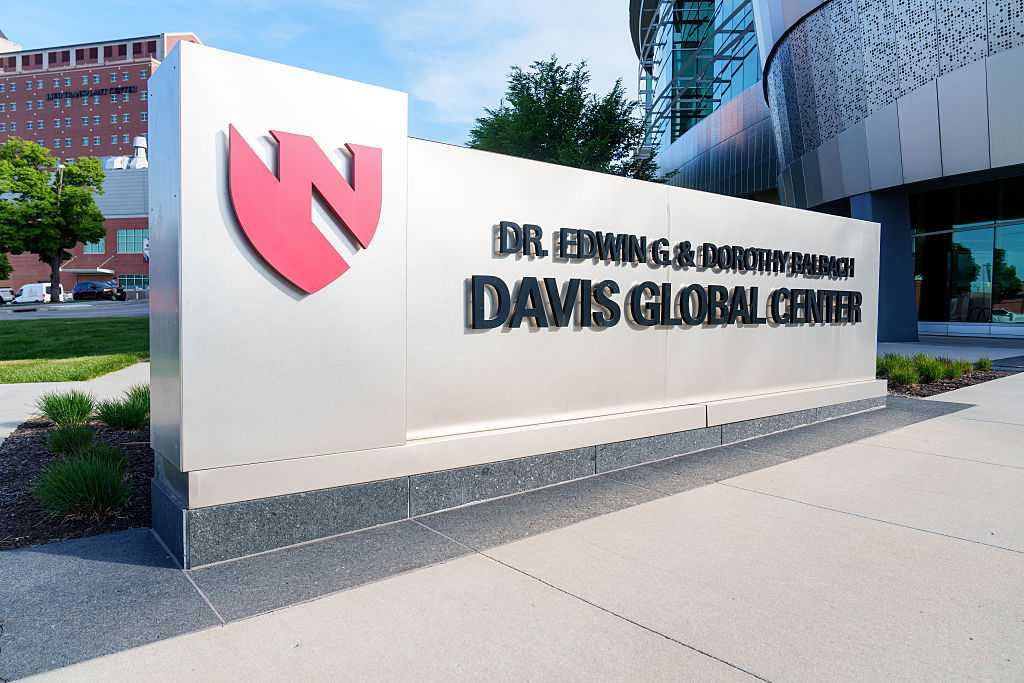
The 18 Americans, who disembarked May 10 in the Canary Islands, have been quarantined at the National Quarantine Unit at the University of Nebraska Medical Center.
Officials had previously said that the passengers would be allowed to complete their quarantine at home. At the time, the U.S. Centers for Disease Control and Prevention issued guidelines to states for the monitoring of exposed cruise passengers, recommending that health departments visit each passenger twice daily in person. Infectious disease experts said this plan was overkill because health departments already keep tabs on patients with infectious diseases such as tuberculosis using less onerous methods like regular phone calls.
At least two of the passengers asked to finish their quarantine at home but were given federal orders requiring them to stay at the National Quarantine Unit through May 31. Others have elected to spend the full 42 days at the facility.
Because of the unusual new requirement that a monitor be posted outside the person’s home for the last half of the required 42-day quarantine period, at least one state, New York, has balked at letting passengers return, according to two passengers who participated in Thursday’s call with CDC officials.
On the call, officials said that so far, New York is the only state to decline to allow passengers to return to finish their quarantine at home.
“This is not acceptable,” one of the passengers, who asked not to be named for fear of retaliation, told CNN. “We’re not (expletive) criminals. Unless you have a good reason to think that we are going to not comply, then treat us with respect.”
The New York State Department of Health and the press office for New York Gov. Kathy Hochul did not respond to CNN’s requests for comment. Discussions on the decision are still ongoing, according to the passengers, who are hopeful the state will reconsider.
“Throughout the response to the hantavirus outbreak, the CDC’s top priority has been the health and safety of the returned U.S. passengers and American communities. The CDC continues to work with passengers and state and local health departments on the disposition of passengers during their 42-day monitoring period,” the U.S. Department of Health and Human Services said in a statement to CNN on Thursday.
Asked on the video call Thursday who had given the new order for 24/7 monitoring, Dr. David Fitter, who is leading the hantavirus response for the CDC, and Dr. Denis Fitzgerald, with the Administration for Strategic Preparedness and Response, told the passengers that the decision was made at a level of the federal government “above the director of the CDC.”
Video below: Nebraska governor says quarantine unit will be ready for Ebola request after hantavirus
Another CDC official, who did not participate in the call, told CNN that decisions regarding the treatment of Americans exposed to infectious diseases abroad and returning to the United States are being made at the “highest levels” of the federal government. The official asked not to be named because they were not authorized to speak with the media.
On Thursday, a senior Trump administration official confirmed that the U.S. has received approval from the Kenyan government to build quarantine units there for Americans exposed to Ebola, rather than returning them to the U.S. for care.
“We cannot and will not allow any cases of Ebola to enter the United States,” U.S. Secretary of State Marco Rubio said at a Cabinet meeting Wednesday.
The plans are a striking departure from how previous administrations have handled the repatriation of Americans exposed to infectious diseases.
In the last major Ebola outbreak in 2014, the U.S. flew two American healthcare workers who had been exposed while treating patients in Liberia, Dr. Kent Brantly and Nancy Writebol, to Emory University’s Serious Communicable Diseases Unit for treatment. Both ultimately recovered.
“The federal government is behaving very oddly,” another public health official, who asked not to be named because of the sensitivity of ongoing negotiations between state and federal officials, told CNN.
“These decisions are being made out of a place of fear,” the official said, noting that there seemed to be real concern about disease spreading in the U.S. ahead of the midterm elections.
States are also concerned, the official said, that posting a full-time guard outside someone’s house will cause unwarranted fear in their community. Andes hantavirus seems to be most contagious right around the time patients begin to develop symptoms, and the Americans under monitoring show no signs of illness.
“The risk to the public is so low in this instance,” the official said. “It’s not necessary.”
They said states were continuing to work with the cruise passengers to find the best solutions for the remainder of the quarantine periods.
On the video call, the passengers asked the officials whether other Americans who had been on the ship but disembarked before the outbreak was identified were facing the same monitoring requirements.
They were told that those passengers would not be subjected to full-time monitoring.
“That seems totally irrational,” one passenger told CNN. “We would like to at least be treated equally to other people who are in the same position.”

