You’re could be storing milk wrong — an expert explains why
The easiest place to reach is also one of the worst places to keep it.

Most refrigerator doors have a penthouse for butter, so it’s reasonable to assume the other shelves are meant for dairy. But you might want to think twice before you put your carton of milk away.
Related video above: Does the Sniff Test Work on All Foods?
We get it—fridge space is precious. And if efficiency is your only goal, storing milk in the door makes perfect sense. It’s not the ideal spot, however, if you want to keep your milk fresh for as long as possible. To explain why, we consulted Amy Hite, Project Management Director for Bottom Freezer at GE Appliances. Here’s what you need to know.
Fridge Temperatures Aren’t Consistent
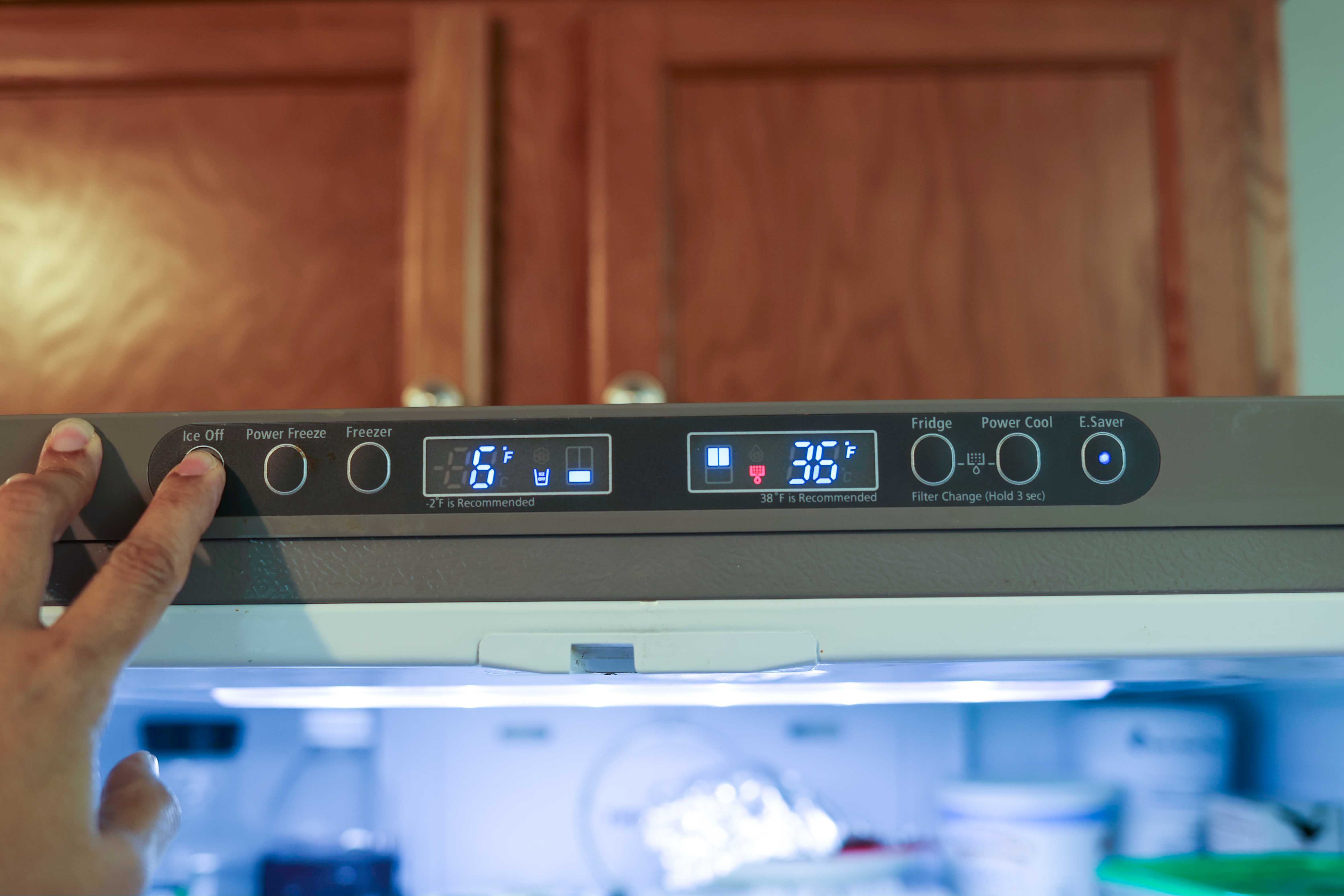
A refrigerator keeps things cold, but the temperature isn’t exactly the same in every area. As a general rule of thumb, you can expect it to get colder the further back you go.
“The coolest areas of a refrigerator are typically toward the back of the fresh-food compartment and near the locations near the air vents (which are typically in the back),” Hite explains.
If the back of the fridge is the coldest zone, the door is the opposite. “The door tends to experience the greatest temperature fluctuations because it is exposed most directly and frequently to warmer room air when the refrigerator is opened,” Hite says.
Why You Shouldn’t Store Milk In The Fridge Door
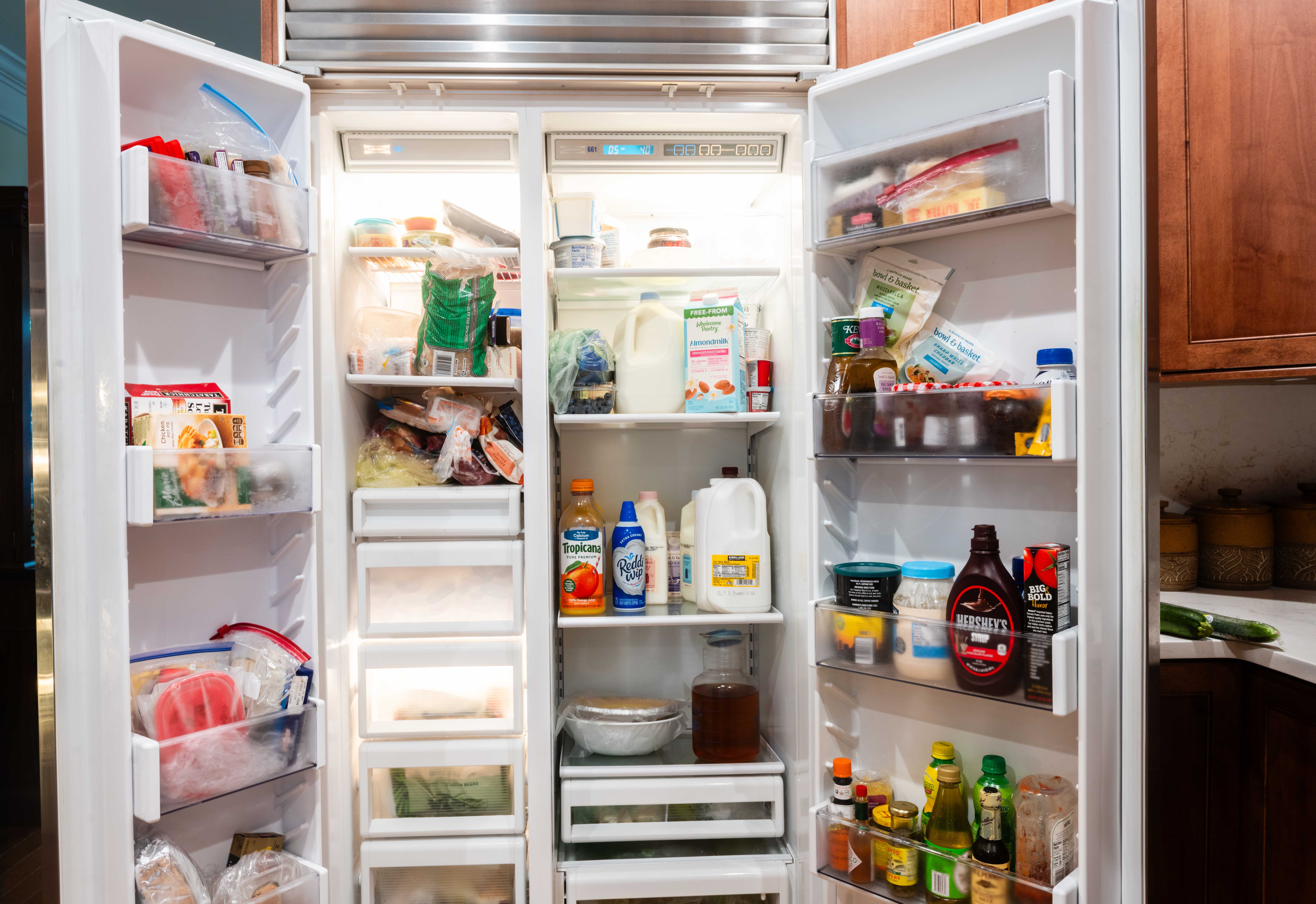
Some foods spoil more easily than others. Butter, for instance, has so little moisture that it can last in the fridge for months. But compared to other dairy products, butter is an outlier.
Milk is much more vulnerable to spoilage. Its combination of moisture and nutrients makes it an inviting environment for bacteria, which can feed on lactose and produce lactic acid, giving spoiled milk its sour taste.
Pasteurization helps reduce harmful and spoilage-causing bacteria before milk reaches your fridge. But once you open the carton, keeping it consistently cold becomes especially important. Warmer temperatures allow bacteria to multiply more quickly—which makes the door a less-than-ideal place to store it.
“Foods that benefit from a more consistent, colder environment are generally best stored on the main refrigerator shelves rather than in the door,” Hite says. Keeping dairy products and raw meat and poultry near the back of the fridge can significantly extend their lifespans.
If you shouldn’t store milk in the door, what can you put there? “More temperature-tolerant items, such as many condiments, are well suited for door storage,” Hite says. Preserved foods like pickles and anchovies, as well as bottled and canned drinks, can handle those temperature fluctuations too.
Organizing your fridge by temperature zones may require breaking some habits, but the prolonged freshness of your food is worth it.

