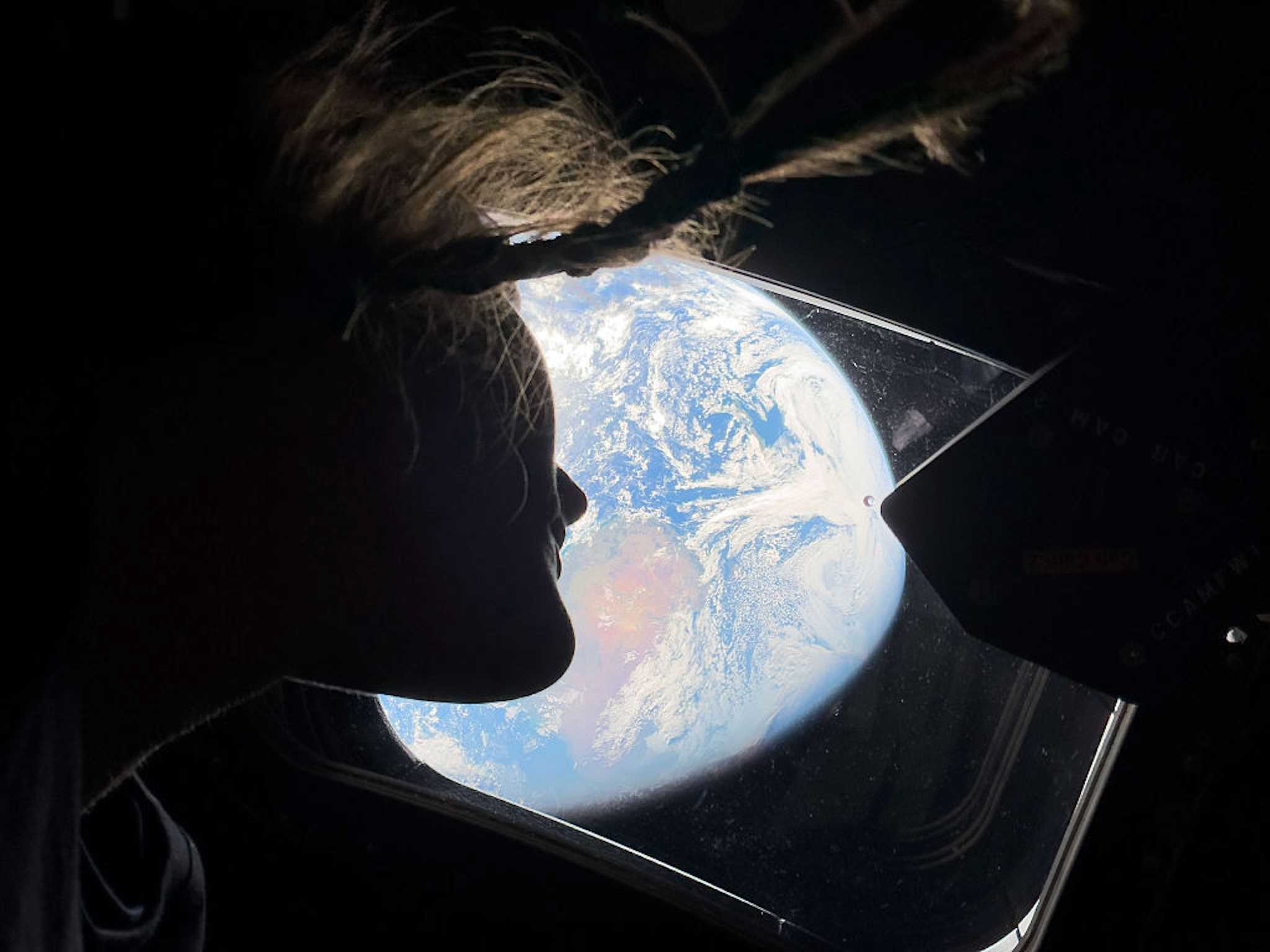
The astronauts aboard Artemis II’s Orion spacecraft broke the record Monday for the farthest humans have traveled in space.The record came as the crew aboard the Orion spacecraft headed to the far side of the moon to make lunar observations on Day 6 of the mission.The record was previously set by the Apollo 13 mission astronauts. The mission, which was intended to be a lunar landing, ended up becoming the farthest distance humans had traveled in space, at 248,655 miles away from Earth — or 158 miles above the lunar surface.The Artemis II crew broke the record at about 1:57 p.m. EDT Monday, but the milestones won’t end there. Lunar observations begin at 2:45 p.m. EDT. The crew is expected to lose communication with Earth at 6:44 p.m. EDT as Orion flies behind the moon. At 7:02 p.m., Orion will be closest to the moon’s surface.Just by how much the crew aboard the Orion will break Apollo’s record will be known around 7:07 p.m., according to NASA. The crew will see “Earthrise” at about 7:25 p.m., which will show the Earth rising from behind the moon as the spacecraft makes its way out from behind the moon. At around 8:35 p.m., the astronauts will also see a solar eclipse as the sun passes behind the moon.
The astronauts aboard Artemis II‘s Orion spacecraft broke the record Monday for the farthest humans have traveled in space.
The record came as the crew aboard the Orion spacecraft headed to the far side of the moon to make lunar observations on Day 6 of the mission.
The record was previously set by the Apollo 13 mission astronauts. The mission, which was intended to be a lunar landing, ended up becoming the farthest distance humans had traveled in space, at 248,655 miles away from Earth — or 158 miles above the lunar surface.
The Artemis II crew broke the record at about 1:57 p.m. EDT Monday, but the milestones won’t end there.
Lunar observations begin at 2:45 p.m. EDT. The crew is expected to lose communication with Earth at 6:44 p.m. EDT as Orion flies behind the moon. At 7:02 p.m., Orion will be closest to the moon’s surface.
Just by how much the crew aboard the Orion will break Apollo’s record will be known around 7:07 p.m., according to NASA.
The crew will see “Earthrise” at about 7:25 p.m., which will show the Earth rising from behind the moon as the spacecraft makes its way out from behind the moon. At around 8:35 p.m., the astronauts will also see a solar eclipse as the sun passes behind the moon.

