The “Green Book,” was a vital guide for Black travelers facing discrimination and danger in America from 1936 to 1967. During a difficult time in American history, travelers faced threats ranging from lynchings to beatings and harassment, with no guarantees of safety. For three decades, most hotels and motels refused service to Black people, inspiring Victor H. Green, a letter carrier, to create the “Green Book.””He put together information that could inform a traveler from East Coast to West Coast,” said Dr. Marsha Hardeman, a professor at the University of New Mexico in the Department of Africana Studies. “To help Black people make it safely.”The first version of the “Green Book” was published in 1936 and quickly gained popularity, prompting Green to expand the list of locations, promoting Black businesses and identifying safe places for travelers.”Some of the towns were still what we called ‘sundowner towns,’ where you better not be caught in that town as a Black person after sundown,” said Hardeman. “The aid for this community was to allow people to plan their trip, be able to stop with children and families to eat, to go to the restroom.”Roughly half of the 89 counties on Route 66 were sundown towns, where Black people were not welcome after dark. Hardeman recalls traveling with her family in 1961 from Indiana to California.”One night we pulled up to a motel with the old-fashion overhang, where you drive through it, you pull up to a window, a person comes to talk to about getting your room,” she said. “So, when we pulled up, what the person told us was, ‘Well, no, we don’t serve colors.'”Hardeman also remembers the challenges her father faced while traveling from Alabama to Indiana for work, often being followed by the Ku Klux Klan and struggling to find places to stop for food or rest.”There was almost no places where he could stop for the bathroom or get a place to eat,” Hardeman said. “This Negro motorist book was important because of those kind of experiences.”The “Green Book” listed safe havens across the U.S., including in New Mexico, and served as a lifeline for many families.”Could you get there safely? Could you get there whole? Could you have all of your needs met, the Negro motorist book the ‘Green Book’ help to ensure that,” Hardeman said.The “Green Book” was last published in 1967, three years after the Civil Rights Act of 1964.
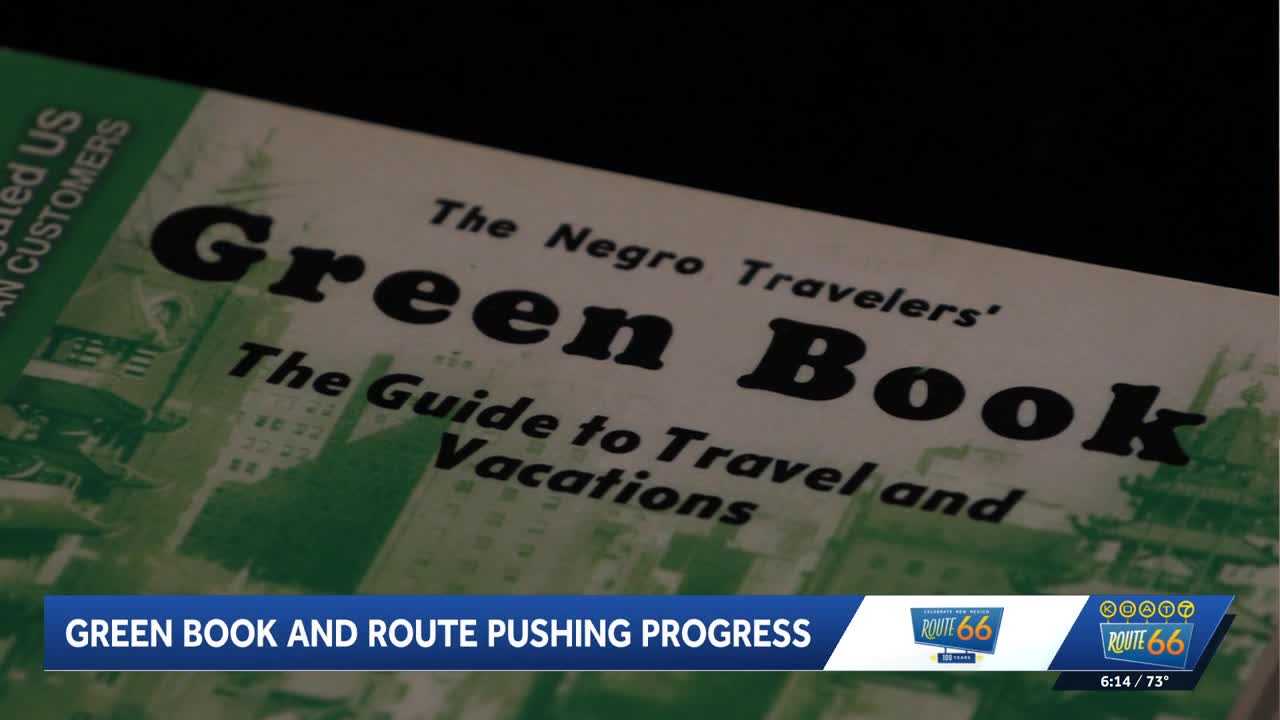
The “Green Book,” was a vital guide for Black travelers facing discrimination and danger in America from 1936 to 1967. During a difficult time in American history, travelers faced threats ranging from lynchings to beatings and harassment, with no guarantees of safety.
For three decades, most hotels and motels refused service to Black people, inspiring Victor H. Green, a letter carrier, to create the “Green Book.”
“He put together information that could inform a traveler from East Coast to West Coast,” said Dr. Marsha Hardeman, a professor at the University of New Mexico in the Department of Africana Studies. “To help Black people make it safely.”
The first version of the “Green Book” was published in 1936 and quickly gained popularity, prompting Green to expand the list of locations, promoting Black businesses and identifying safe places for travelers.
“Some of the towns were still what we called ‘sundowner towns,’ where you better not be caught in that town as a Black person after sundown,” said Hardeman. “The aid for this community was to allow people to plan their trip, be able to stop with children and families to eat, to go to the restroom.”
Roughly half of the 89 counties on Route 66 were sundown towns, where Black people were not welcome after dark. Hardeman recalls traveling with her family in 1961 from Indiana to California.
“One night we pulled up to a motel with the old-fashion overhang, where you drive through it, you pull up to a window, a person comes to talk to about getting your room,” she said. “So, when we pulled up, what the person told us was, ‘Well, no, we don’t serve colors.'”
Hardeman also remembers the challenges her father faced while traveling from Alabama to Indiana for work, often being followed by the Ku Klux Klan and struggling to find places to stop for food or rest.
“There was almost no places where he could stop for the bathroom or get a place to eat,” Hardeman said. “This Negro motorist book was important because of those kind of experiences.”
The “Green Book” listed safe havens across the U.S., including in New Mexico, and served as a lifeline for many families.
“Could you get there safely? Could you get there whole? Could you have all of your needs met, the Negro motorist book the ‘Green Book’ help to ensure that,” Hardeman said.
The “Green Book” was last published in 1967, three years after the Civil Rights Act of 1964.

