The National Transportation Safety Board shared its initial findings into a skydiving plane crash that killed 12 people in Butler, Missouri. The flight took off around 11:30 a.m. on June 14 for parachute jumps. This flight followed two previous successful skydiving flights that morning. The NTSB’s preliminary report says that security footage showed the plane, a Pacific Aerospace Limited 750XL, take off from the mid-field of a runway at Butler Memorial Airport. As the airplane ascended, it began a gradual left turn. The plane continued to turn, and both wings eventually became “approximately perpendicular to the ground.” The plane then crashed nose down into a grassy field about 445 feet to the west of the southern end of the planned landing zone. The pilot and all 11 passengers lost their lives. A post-crash fire significantly burned all major components of the plane and destroyed much of the wreckage, though investigators did identify all major structural components at the site. Butler is around 68 miles outside of Kansas City, Missouri.No apparent engine malfunctions The NTSB report said that there were “no indications of any preimpact mechanical malfunctions or failures to any of the engine components that would have precluded normal operation.” Weight and balance measured Additionally, post-crash review showed that the plane met weight and balance requirements and limitations. The plane had a maximum takeoff weight of 7,500 pounds. The pilot reportedly took notes and calculations on a clipboard. Pilot was ‘safety-oriented’ The operator, Skydive Kansas City, told the NTSB that they had no previous concerns with the pilot. He was reportedly a contractor in his second season with the company.”He was safety-oriented, and he was also conservative with his decision-making as a jump pilot,” the report said. The pilot had a commercial pilot certificate and had accumulated more than 4,100 total flight hours. The plane did not contain a crashworthy voice recorder or data recorder, and it was not required to have those things. Parachute jump flights do not require FAA-issued operating certificates, operations specifications or FAA-approved training and maintenance programs, the NTSB said.
The National Transportation Safety Board shared its initial findings into a skydiving plane crash that killed 12 people in Butler, Missouri.
The flight took off around 11:30 a.m. on June 14 for parachute jumps. This flight followed two previous successful skydiving flights that morning.
The NTSB’s preliminary report says that security footage showed the plane, a Pacific Aerospace Limited 750XL, take off from the mid-field of a runway at Butler Memorial Airport. As the airplane ascended, it began a gradual left turn. The plane continued to turn, and both wings eventually became “approximately perpendicular to the ground.”
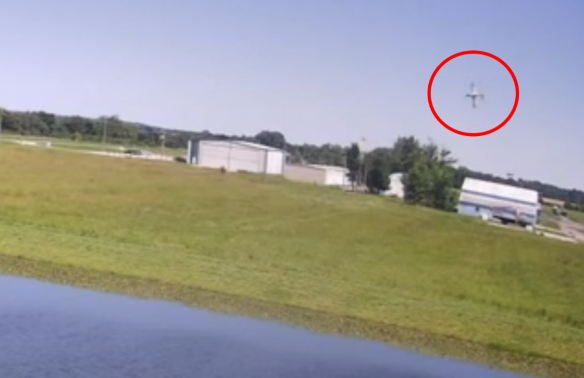
The plane then crashed nose down into a grassy field about 445 feet to the west of the southern end of the planned landing zone.
The pilot and all 11 passengers lost their lives.
A post-crash fire significantly burned all major components of the plane and destroyed much of the wreckage, though investigators did identify all major structural components at the site.
Butler is around 68 miles outside of Kansas City, Missouri.
No apparent engine malfunctions
The NTSB report said that there were “no indications of any preimpact mechanical malfunctions or failures to any of the engine components that would have precluded normal operation.”
Weight and balance measured
Additionally, post-crash review showed that the plane met weight and balance requirements and limitations. The plane had a maximum takeoff weight of 7,500 pounds. The pilot reportedly took notes and calculations on a clipboard.
Pilot was ‘safety-oriented’
The operator, Skydive Kansas City, told the NTSB that they had no previous concerns with the pilot. He was reportedly a contractor in his second season with the company.
“He was safety-oriented, and he was also conservative with his decision-making as a jump pilot,” the report said.
The pilot had a commercial pilot certificate and had accumulated more than 4,100 total flight hours.
The plane did not contain a crashworthy voice recorder or data recorder, and it was not required to have those things.
Parachute jump flights do not require FAA-issued operating certificates, operations specifications or FAA-approved training and maintenance programs, the NTSB said.

