Vice President JD Vance says the U.S. Navy has allowed more than a dozen ships through to Iranian ports, lifting a blockade as part of an agreement to end the war.Vance made the announcement Thursday at a White House press briefing, where he said more oil is now flowing through the Strait of Hormuz. The Republican vice president says more than 12.5 million barrels went through the shipping channel Wednesday night.”So we’re also honoring our end of the early part of the agreement on the military side,” Vance said.Vance cited it as an immediate benefit of the deal as he downplayed criticism that the agreement tilts in favor of Iran.On Tuesday, two oil tankers left Iran and crossed the U.S. military blockade without being stopped. A merchant shipping tracking website said the ships were carrying a combined total of 3.8 million barrels of Iranian crude oil.The agreement calls for a permanent end to hostilities and starts a 60-day negotiating clock to reach a final deal on the future of Iran’s nuclear program, though Trump left the door open to resume attacks. It appears to offer Iran several benefits up front while extracting little in return.It states that Iran’s stockpile of highly enriched uranium, which is believed to be buried under rubble, must at minimum be diluted under international supervision. It also states that Iran shall not procure or develop nuclear weapons — a commitment it has made previously. But beyond stating that the U.S. and Iran will negotiate over Iran’s nuclear program, other commitments still need to be worked out.Much of the agreement would restore the status quo before the war, including ending hostilities, restarting talks between the U.S. and Iran over Tehran’s nuclear program, and reopening the Strait of Hormuz, the crucial passage for the world’s oil and natural gas whose closure created a historic energy crisis.
Vice President JD Vance says the U.S. Navy has allowed more than a dozen ships through to Iranian ports, lifting a blockade as part of an agreement to end the war.
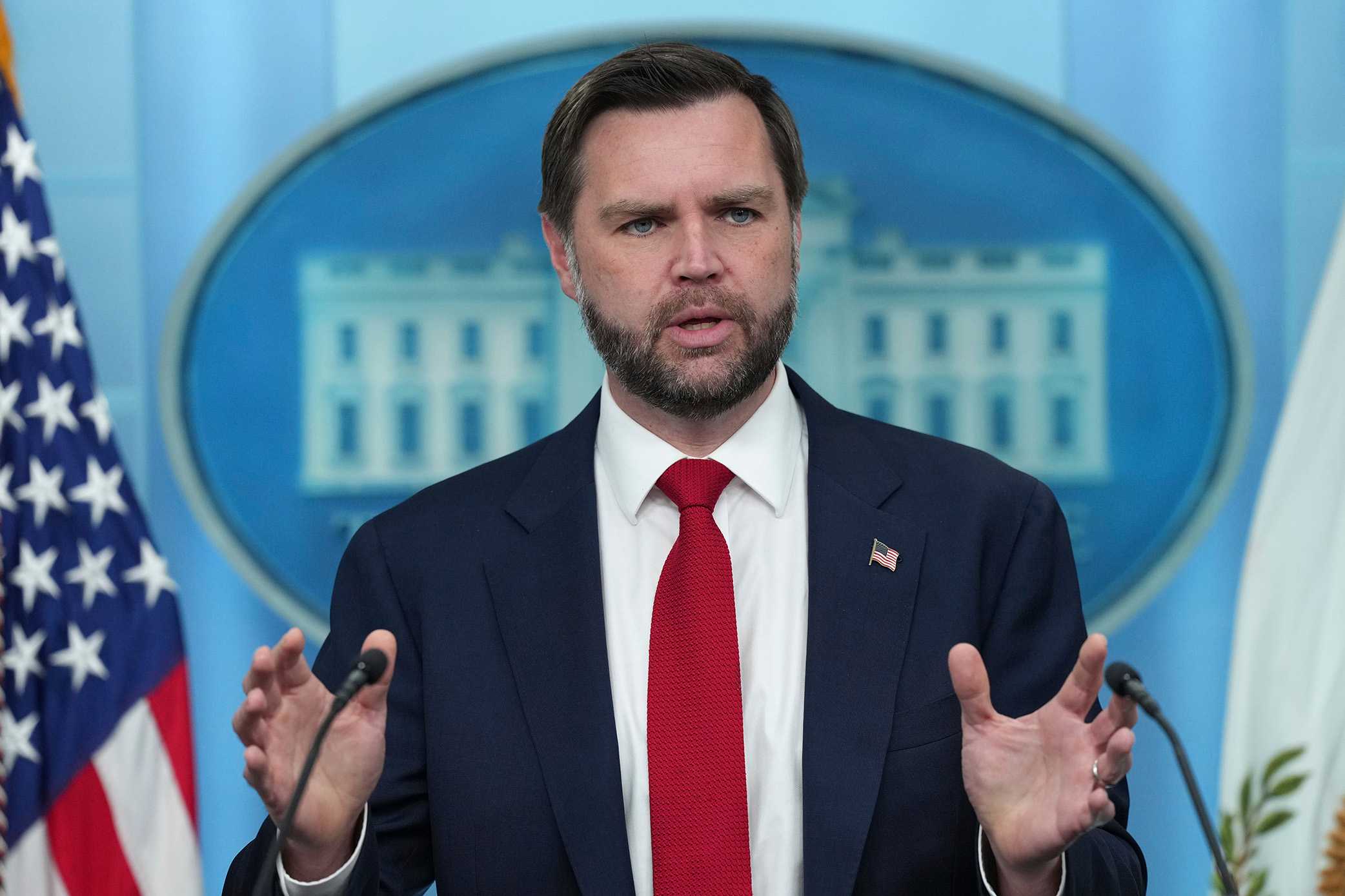
Vance made the announcement Thursday at a White House press briefing, where he said more oil is now flowing through the Strait of Hormuz. The Republican vice president says more than 12.5 million barrels went through the shipping channel Wednesday night.
“So we’re also honoring our end of the early part of the agreement on the military side,” Vance said.
Vance cited it as an immediate benefit of the deal as he downplayed criticism that the agreement tilts in favor of Iran.
On Tuesday, two oil tankers left Iran and crossed the U.S. military blockade without being stopped. A merchant shipping tracking website said the ships were carrying a combined total of 3.8 million barrels of Iranian crude oil.
The agreement calls for a permanent end to hostilities and starts a 60-day negotiating clock to reach a final deal on the future of Iran’s nuclear program, though Trump left the door open to resume attacks. It appears to offer Iran several benefits up front while extracting little in return.
It states that Iran’s stockpile of highly enriched uranium, which is believed to be buried under rubble, must at minimum be diluted under international supervision. It also states that Iran shall not procure or develop nuclear weapons — a commitment it has made previously. But beyond stating that the U.S. and Iran will negotiate over Iran’s nuclear program, other commitments still need to be worked out.
Much of the agreement would restore the status quo before the war, including ending hostilities, restarting talks between the U.S. and Iran over Tehran’s nuclear program, and reopening the Strait of Hormuz, the crucial passage for the world’s oil and natural gas whose closure created a historic energy crisis.

