Monsoon season is the deadliest weather season in New Mexico. The KOAT 7 Weather Team is here to explain the different types of weather we see during monsoon season, why the weather becomes so dangerous in New Mexico, and we will visit ways to stay safe during the monsoon season. What is the monsoon? The North American Monsoon, which is what New Mexico experiences, isn’t a single storm or rainfall event. Rather, it’s a collective season that spans the summer months. The monsoon is a seasonal shift in winds that can develop either a rainy season or a very dry season. Heavy rains are often associated with monsoons, and that’s just one part of it. Monsoons can also cause hot and dry weather. The monsoon typically dominates the weather pattern in the southwest United States, including New Mexico during the summer months. What causes the monsoon? The monsoon develops when upper-level winds change patterns. The winds typically shift because the temperatures of the land and water are different as seasons change. During the summer, land will typically warm up faster than bodies of water. Monsoon winds will always blow from cold to warm. Following this pattern, that means warm air rises from land and reverses the direction of the wind. How does the monsoon form in New Mexico? The North American Monsoon develops during the seasonal change in wind that happens when summer temperatures begin to rise. During other times of the year, the strongest winds centered over the southwest blow dry air from the west. When the summer heat begins to build over the southwest, winds become more southerly and an area of high pressure develops. As the winds shift, the circulation around the high brings moisture from the Pacific Ocean and the Gulf to New Mexico. What impacts does New Mexico see during the monsoon?New Mexico typically sees an increase in showers and thunderstorms during the monsoon season, but there are many other hazards that come with the monsoon.Heat, wildfires, downbursts, dust storms, lightning, and flash floods all occur in New Mexico during monsoon season. While rain is always beneficial in New Mexico, understanding the dangers a monsoon can bring can help prepare you to stay safe during this time of year. Extreme Heat and Heat StressDuring the start of the monsoon season, New Mexico awaits the deep moisture to flow in. While the moisture hasn’t arrived, hot temperatures often develop across the state. Sometimes, even though monsoon season has arrived, dry spells during the season also lead to hot temperatures. These hot temperatures can cause heat stress, heat stroke and other health issues. Heat CrampsSpending time outdoors can be dangerous for long periods of time in the heat. One issue many deal with are heat cramps. Heat cramps are when painful spasms occur in leg muscles and sometimes the abdominal muscles. Heat cramps can also be accompanied by heavy sweating. How to treat heat crampsApply pressure on cramping muscles or use a gentle massage technique to relieve the spasm. Drink small sips of water. Should nausea occur, stop drinking water. Heat ExhaustionHeat exhaustion can happen to anyone working or enjoying time outside. Symptoms of heat exhaustion include heavy sweating, weakness with cold, pale and clammy skin. Fainting and vomiting are also symptoms of heat exhaustion. To treat heat exhaustion you must:Get the patient out of the sunLoosen clothing and lay the patient downApply cool, wet cloths to the patientFan or move the patient to a room with air conditioningTake sips of water and if nausea occurs, stop drinking water. If vomiting, seek immediate medical attention. Heat StrokeHeat stroke is a very serious condition that develops when outside for long periods of time in extreme heat. Heat stroke is a very serious medical emergency and anyone experiencing signs of heat stroke should be taken to the hospital as it could turn into a life-threatening situation. Identifying heat strokeSymptoms of heat stroke include a high body temperatureHot and dry skinRapid and strong pulseLoss of consciousness Treating heat strokeDial 911 to call for emergency servicesMove the patient to a cooler environmentWork to reduce body temperature with a cool bath or spongingRemove clothing, use fans and air conditioners to help cool the patientDo not give the patient fluidsTips to stay safe in the heatFlash Flood DangersRain and storms are common in New Mexico during monsoon season. Many parts of the state and areas around burn scars are especially vulnerable to flooding. Here are several measures you can take to stay safe:Seal off low-lying areasSandbags are a great option to do this. Make sure to point the opening in the same direction water is flowing.Consider installing check valves, which can help prevent flooding.Pack an emergency kit, which should include a 3-day supply of water and food. Experts at the National Weather Service remind people to not drive into flooded roadways.If you must drive remember conditions can be deceiving. Kerry Gladden with the village of Ruidoso says “it only takes six inches of water to move a truck. So, you know, there doesn’t need to be water coming up over your hood in order for it to be a danger.”If you must drive during the rain or storm keep the following in mind:Reduce your speed.Increase your following distance.Do not proceed if there is standing water in the road.Do not attempt to walk through flood-water either.LightningLighting can kill you, so here are some tips to help stay safe during a thunderstorm.If you hear thunder, go inside immediately. Many people get killed as a storm is forming because they take a “wait-and-see attitude.” Even as the storm moves out, don’t go back outside right away. If you cant get inside, avoid trees and even dugouts. Get under a sturdy structure, and try to be the lowest point.Once you find shelter, don’t touch anything plugged in, and avoid doing the dishes, laundry or taking a shower.Lighting can hit your home and travel through the plumbing.
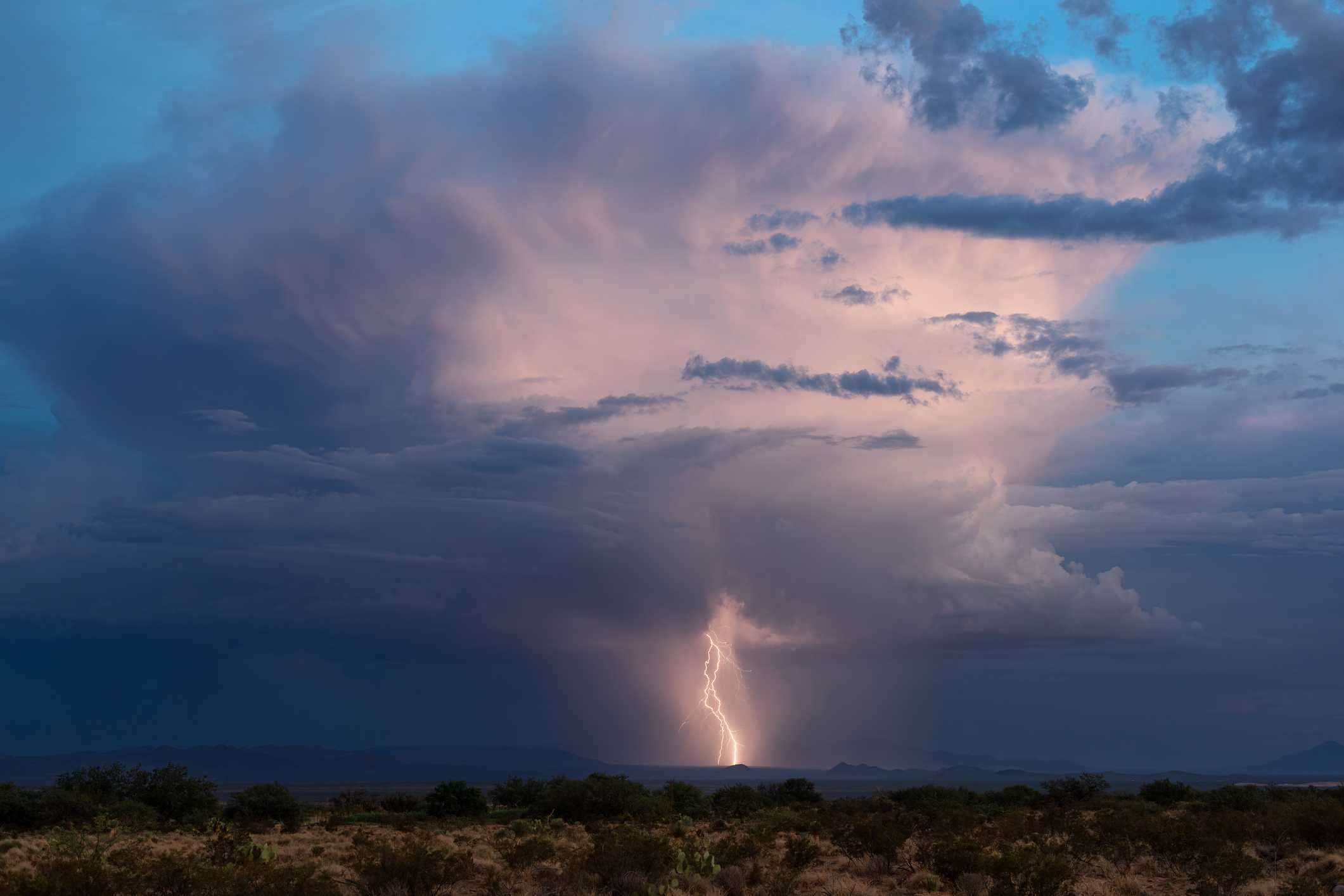
Monsoon season is the deadliest weather season in New Mexico.
The KOAT 7 Weather Team is here to explain the different types of weather we see during monsoon season, why the weather becomes so dangerous in New Mexico, and we will visit ways to stay safe during the monsoon season.
What is the monsoon?
The North American Monsoon, which is what New Mexico experiences, isn’t a single storm or rainfall event. Rather, it’s a collective season that spans the summer months.
The monsoon is a seasonal shift in winds that can develop either a rainy season or a very dry season.
Heavy rains are often associated with monsoons, and that’s just one part of it. Monsoons can also cause hot and dry weather.
The monsoon typically dominates the weather pattern in the southwest United States, including New Mexico during the summer months.
What causes the monsoon?
The monsoon develops when upper-level winds change patterns. The winds typically shift because the temperatures of the land and water are different as seasons change. During the summer, land will typically warm up faster than bodies of water.
Monsoon winds will always blow from cold to warm. Following this pattern, that means warm air rises from land and reverses the direction of the wind.
How does the monsoon form in New Mexico?
The North American Monsoon develops during the seasonal change in wind that happens when summer temperatures begin to rise.
During other times of the year, the strongest winds centered over the southwest blow dry air from the west.
When the summer heat begins to build over the southwest, winds become more southerly and an area of high pressure develops. As the winds shift, the circulation around the high brings moisture from the Pacific Ocean and the Gulf to New Mexico.
What impacts does New Mexico see during the monsoon?
New Mexico typically sees an increase in showers and thunderstorms during the monsoon season, but there are many other hazards that come with the monsoon.
Heat, wildfires, downbursts, dust storms, lightning, and flash floods all occur in New Mexico during monsoon season.
While rain is always beneficial in New Mexico, understanding the dangers a monsoon can bring can help prepare you to stay safe during this time of year.
Extreme Heat and Heat Stress
During the start of the monsoon season, New Mexico awaits the deep moisture to flow in. While the moisture hasn’t arrived, hot temperatures often develop across the state. Sometimes, even though monsoon season has arrived, dry spells during the season also lead to hot temperatures.
These hot temperatures can cause heat stress, heat stroke and other health issues.
Heat Cramps
Spending time outdoors can be dangerous for long periods of time in the heat.
One issue many deal with are heat cramps. Heat cramps are when painful spasms occur in leg muscles and sometimes the abdominal muscles. Heat cramps can also be accompanied by heavy sweating.
How to treat heat cramps
- Apply pressure on cramping muscles or use a gentle massage technique to relieve the spasm.
- Drink small sips of water. Should nausea occur, stop drinking water.
Heat Exhaustion
Heat exhaustion can happen to anyone working or enjoying time outside.
Symptoms of heat exhaustion include heavy sweating, weakness with cold, pale and clammy skin. Fainting and vomiting are also symptoms of heat exhaustion.
To treat heat exhaustion you must:
- Get the patient out of the sun
- Loosen clothing and lay the patient down
- Apply cool, wet cloths to the patient
- Fan or move the patient to a room with air conditioning
- Take sips of water and if nausea occurs, stop drinking water. If vomiting, seek immediate medical attention.
Heat Stroke
Heat stroke is a very serious condition that develops when outside for long periods of time in extreme heat. Heat stroke is a very serious medical emergency and anyone experiencing signs of heat stroke should be taken to the hospital as it could turn into a life-threatening situation.
Identifying heat stroke
- Symptoms of heat stroke include a high body temperature
- Hot and dry skin
- Rapid and strong pulse
- Loss of consciousness
Treating heat stroke
- Dial 911 to call for emergency services
- Move the patient to a cooler environment
- Work to reduce body temperature with a cool bath or sponging
- Remove clothing, use fans and air conditioners to help cool the patient
- Do not give the patient fluids
Tips to stay safe in the heat
Flash Flood Dangers
Rain and storms are common in New Mexico during monsoon season. Many parts of the state and areas around burn scars are especially vulnerable to flooding.
Here are several measures you can take to stay safe:
- Seal off low-lying areas
- Sandbags are a great option to do this. Make sure to point the opening in the same direction water is flowing.
- Consider installing check valves, which can help prevent flooding.
- Pack an emergency kit, which should include a 3-day supply of water and food.
Experts at the National Weather Service remind people to not drive into flooded roadways.
If you must drive remember conditions can be deceiving. Kerry Gladden with the village of Ruidoso says “it only takes six inches of water to move a truck. So, you know, there doesn’t need to be water coming up over your hood in order for it to be a danger.”
If you must drive during the rain or storm keep the following in mind:
- Reduce your speed.
- Increase your following distance.
- Do not proceed if there is standing water in the road.
- Do not attempt to walk through flood-water either.
Lightning
Lighting can kill you, so here are some tips to help stay safe during a thunderstorm.
If you hear thunder, go inside immediately. Many people get killed as a storm is forming because they take a “wait-and-see attitude.” Even as the storm moves out, don’t go back outside right away.
If you cant get inside, avoid trees and even dugouts. Get under a sturdy structure, and try to be the lowest point.
Once you find shelter, don’t touch anything plugged in, and avoid doing the dishes, laundry or taking a shower.
Lighting can hit your home and travel through the plumbing.

