Power banks have become a travel essential for many passengers, especially as travelers rely more heavily on phones, tablets and laptops while flying. But airlines are increasingly concerned about the fire risks posed by lithium-ion batteries.As of May, American Airlines says passengers can bring up to two power banks under 100 watt-hours, a limit that generally covers most portable chargers designed for travel. Southwest Airlines recently went further, limiting passengers to one power bank.Both airlines also say power banks should not be stored in overhead bins. Passengers using them during flights are expected to keep them visible and within reach, rather than tucked away inside a bag.The changes come amid a growing number of battery fires on planes. Federal Aviation Administration data shows there have been more than 700 lithium battery incidents involving smoke, fire or extreme heat on U.S. aircraft since 2006. Roughly 4 in 10 involved portable battery packs.International regulators are also taking notice. In March, the International Civil Aviation Organization, a United Nations body that helps set global aviation standards, issued new recommendations for power banks. The guidance includes limiting passengers to two devices and discouraging passengers from recharging them during flights.So how can travelers tell if their portable charger is allowed onboard? The key number to look for is watt-hours, or “Wh,” which is often printed directly on the device. One common travel-sized charger, for example, may be labeled at 37 watt-hours.Power banks larger than 100 watt-hours are typically designed for specialty uses such as professional audiovisual equipment and drones. Those larger batteries may require airline approval before flying.If a device does not list watt-hours, travelers can still calculate it manually using a formula based on milliamp hours — often labeled “mAh” — and voltage.To calculate watt-hours:Multiply the milliamp-hour rating by the voltage, which is commonly 3.7 voltsDivide that number by 1,000Don’t want to do the math? The FAA has an online calculator you can use.Bottom line: Airline rules are changing and can vary, especially for international travel. Travelers are encouraged to check their airline’s latest guidance before flying and remember that portable chargers should never be packed in checked luggage.Stay connected with the National Consumer UnitGet clear, actionable consumer reporting delivered across platforms.Follow National Consumer Correspondent Allie Jasinski for real-time updates, myth-busting videos and behind-the-scenes reporting on Instagram, TikTok and YouTube.Have a question you’d like us to investigate? Email us at askallie@hearst.com.
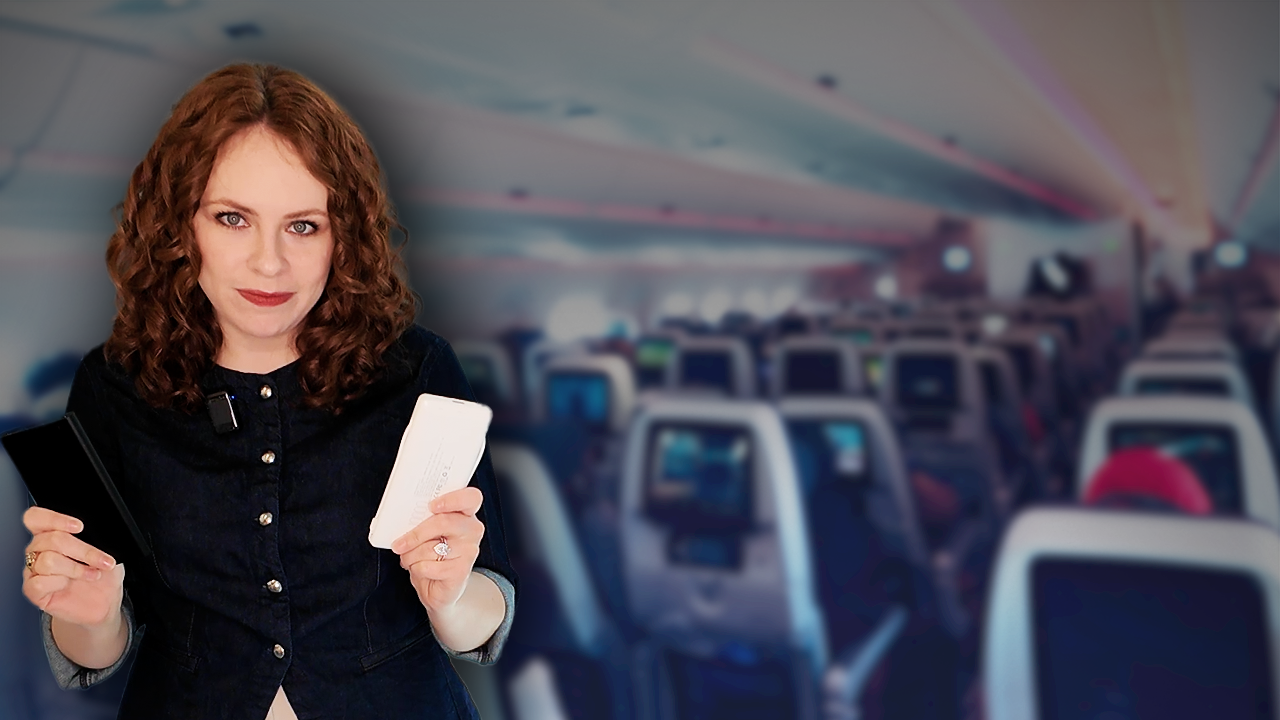
Power banks have become a travel essential for many passengers, especially as travelers rely more heavily on phones, tablets and laptops while flying. But airlines are increasingly concerned about the fire risks posed by lithium-ion batteries.
As of May, American Airlines says passengers can bring up to two power banks under 100 watt-hours, a limit that generally covers most portable chargers designed for travel. Southwest Airlines recently went further, limiting passengers to one power bank.
Both airlines also say power banks should not be stored in overhead bins. Passengers using them during flights are expected to keep them visible and within reach, rather than tucked away inside a bag.
The changes come amid a growing number of battery fires on planes. Federal Aviation Administration data shows there have been more than 700 lithium battery incidents involving smoke, fire or extreme heat on U.S. aircraft since 2006. Roughly 4 in 10 involved portable battery packs.
International regulators are also taking notice. In March, the International Civil Aviation Organization, a United Nations body that helps set global aviation standards, issued new recommendations for power banks. The guidance includes limiting passengers to two devices and discouraging passengers from recharging them during flights.
So how can travelers tell if their portable charger is allowed onboard? The key number to look for is watt-hours, or “Wh,” which is often printed directly on the device. One common travel-sized charger, for example, may be labeled at 37 watt-hours.
Power banks larger than 100 watt-hours are typically designed for specialty uses such as professional audiovisual equipment and drones. Those larger batteries may require airline approval before flying.
If a device does not list watt-hours, travelers can still calculate it manually using a formula based on milliamp hours — often labeled “mAh” — and voltage.
To calculate watt-hours:
- Multiply the milliamp-hour rating by the voltage, which is commonly 3.7 volts
- Divide that number by 1,000
Don’t want to do the math? The FAA has an online calculator you can use.
Bottom line: Airline rules are changing and can vary, especially for international travel. Travelers are encouraged to check their airline’s latest guidance before flying and remember that portable chargers should never be packed in checked luggage.
Stay connected with the National Consumer Unit
Get clear, actionable consumer reporting delivered across platforms.
Follow National Consumer Correspondent Allie Jasinski for real-time updates, myth-busting videos and behind-the-scenes reporting on Instagram, TikTok and YouTube.
Have a question you’d like us to investigate? Email us at askallie@hearst.com.

