The ceasefire between the U.S. and Iran is tested as Iranian forces continued attacks on commercial vessels and U.S. forces in and around the Strait of Hormuz.President Donald Trump downplayed the fighting on Tuesday and said Iran remains badly weakened.”We’re in a little skirmish militarily. I call it a skirmish because Iran has no chance. They never did. They know it,” Trump said.The Pentagon said Iran has fired on commercial vessels nine times, seized two container ships and attacked U.S. forces more than 10 times since the ceasefire was announced nearly a month ago. Despite those attacks, Pentagon leaders said Iran’s actions remain below the threshold for restarting major combat operations.”We would urge Iran to be prudent in the actions that they take to keep that underneath this threshold,” Defense Secretary Pete Hegseth said. “This is about the straits. This is about freedom of navigation. This is about international waterways. This is about free flow of commerce. All the things that happened before and only Iran is contesting. So right now the ceasefire certainly holds, but we’re going to be watching very, very closely.”The administration emphasized that Project Freedom, the U.S. mission to guide ships through the Strait of Hormuz, is a defensive operation aimed at protecting commercial shipping rather than reigniting the war. Iran said the mission violates the ceasefire.Secretary of State Marco Rubio also defended the operation during a White House briefing on Tuesday. The secretary said the U.S. is working to reopen one of the world’s most important shipping lanes without turning the mission into a broader conflict.Rubio said the global appetite for reopening the Strait is strong, but few nations have the resources to contribute, and the burden is largely on the U.S.The Pentagon described Project Freedom as a temporary mission to establish a safe shipping lane through the Strait of Hormuz. The operation involves guided-missile destroyers, more than 100 aircraft and approximately 15,000 U.S. service members. Hegseth called it a “red, white and blue dome” over the Strait.So far, only two American-flagged merchant vessels are known to have successfully navigated the waterway. More than 1,500 commercial vessels remain stuck in the region, and major shipping companies remain wary about whether the U.S.-guarded route is safe enough to use.The conflict has spread pressure across the region. The United Arab Emirates, a key U.S. ally, said it has come under Iranian missile and drone attack. It underscored the risk that the fragile ceasefire could be tested beyond the Strait of Hormuz.Gas prices have also been a concern amid the conflict. Trump addressed the economic impact Tuesday, arguing the cost is worth it to prevent Iran from obtaining a nuclear weapon.”That’s a very small price to pay for getting rid of a nuclear weapon from people that are really mentally deranged,” President Trump said.The administration said reopening the Strait of Hormuz should help stabilize energy markets. But for now, the waterway remains only partially reopened, Iran continues to challenge the U.S. mission, and the ceasefire remains under strain.Follow our coverage of the war in Iran:
The ceasefire between the U.S. and Iran is tested as Iranian forces continued attacks on commercial vessels and U.S. forces in and around the Strait of Hormuz.
President Donald Trump downplayed the fighting on Tuesday and said Iran remains badly weakened.
“We’re in a little skirmish militarily. I call it a skirmish because Iran has no chance. They never did. They know it,” Trump said.
The Pentagon said Iran has fired on commercial vessels nine times, seized two container ships and attacked U.S. forces more than 10 times since the ceasefire was announced nearly a month ago.
Despite those attacks, Pentagon leaders said Iran’s actions remain below the threshold for restarting major combat operations.
“We would urge Iran to be prudent in the actions that they take to keep that underneath this threshold,” Defense Secretary Pete Hegseth said. “This is about the straits. This is about freedom of navigation. This is about international waterways. This is about free flow of commerce. All the things that happened before and only Iran is contesting. So right now the ceasefire certainly holds, but we’re going to be watching very, very closely.”
The administration emphasized that Project Freedom, the U.S. mission to guide ships through the Strait of Hormuz, is a defensive operation aimed at protecting commercial shipping rather than reigniting the war. Iran said the mission violates the ceasefire.
Secretary of State Marco Rubio also defended the operation during a White House briefing on Tuesday. The secretary said the U.S. is working to reopen one of the world’s most important shipping lanes without turning the mission into a broader conflict.
Rubio said the global appetite for reopening the Strait is strong, but few nations have the resources to contribute, and the burden is largely on the U.S.
The Pentagon described Project Freedom as a temporary mission to establish a safe shipping lane through the Strait of Hormuz. The operation involves guided-missile destroyers, more than 100 aircraft and approximately 15,000 U.S. service members. Hegseth called it a “red, white and blue dome” over the Strait.
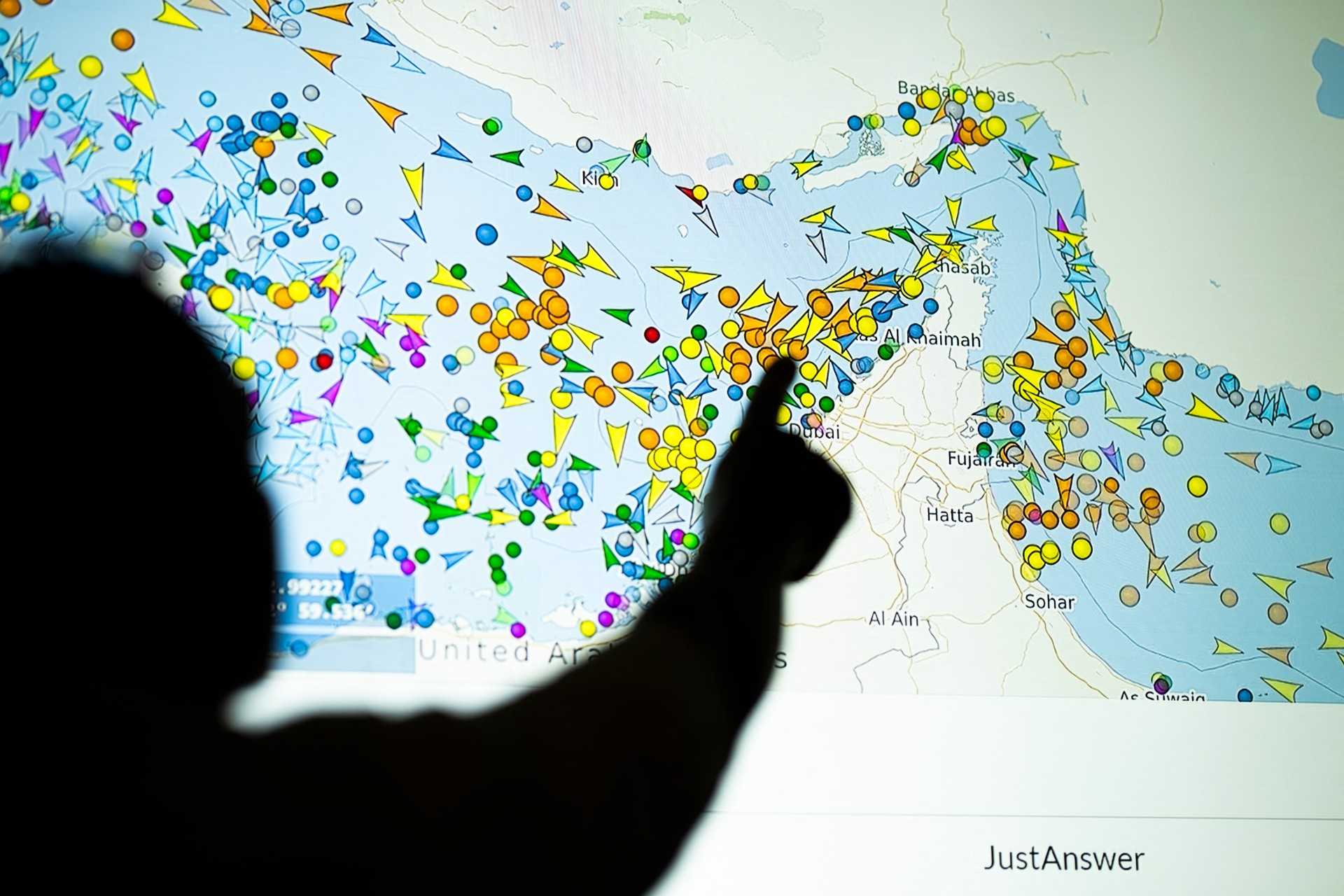
So far, only two American-flagged merchant vessels are known to have successfully navigated the waterway. More than 1,500 commercial vessels remain stuck in the region, and major shipping companies remain wary about whether the U.S.-guarded route is safe enough to use.
The conflict has spread pressure across the region. The United Arab Emirates, a key U.S. ally, said it has come under Iranian missile and drone attack. It underscored the risk that the fragile ceasefire could be tested beyond the Strait of Hormuz.
Gas prices have also been a concern amid the conflict.
Trump addressed the economic impact Tuesday, arguing the cost is worth it to prevent Iran from obtaining a nuclear weapon.
“That’s a very small price to pay for getting rid of a nuclear weapon from people that are really mentally deranged,” President Trump said.
The administration said reopening the Strait of Hormuz should help stabilize energy markets. But for now, the waterway remains only partially reopened, Iran continues to challenge the U.S. mission, and the ceasefire remains under strain.
Follow our coverage of the war in Iran:

