“When someone you love becomes a memory, the memory becomes a treasure.”That quote hangs inside the home of a family who lost their daughter due to her injuries in the West Nickel Mines school shooting. For these families, they don’t have pictures or home videos of their daughters. All they have are memories to hold onto. When a mass shooting happens, it’s splashed across the headlines for the entire world. But as time goes on, the communities and families that have been directly affected still live with the tragedy. Our National Investigative Unit is revisiting communities shaken by violence to explore the lasting impact and the lessons learned from it. Nickel Mines in Lancaster County, Pennsylvania, is mostly made up of the Amish community. Two families who lost their daughters from the shooting and a few township and county officials who responded that day agreed to sit with us. We were invited into one of the family’s homes, sat around the kitchen table with cups of coffee, and we discussed the shooting, the days, weeks, months, and years after, and most importantly, their daughters. The first question we asked: “Tell us about your daughters. What were they like?” With that one, simple question, both sets of parents looked at their spouses, tilted their heads and smiled. We listened as the families opened up, describing two very different girls with tenderness and honesty. We felt the affection, knowing these girls are alive in their hearts and minds. That moment was the most precious moment of the evening. WHAT HAPPENED THAT DAY On Oct. 2, 2006, one of the mothers we talked to said, “I remember the blue sky. It was a perfect day.” The other mother remembered tying the bonnet onto her daughter’s head and her response was “not too tight, mom!”Later that morning, a man (who was not Amish) entered the one-room schoolhouse with a gun and opened fire, killing five girls and injuring five others. The victims ranged in age from 6 to 13. Possible motives have been discussed over the years. But for the families and community members still living with the loss, the “why” has never been the center of the story. One county official we spoke to said, for him, it’s not worth it to try to make sense of the “why.”LASTING IMPACTThere are no memorials, murals, or statues in Nickel Mines for the girls (largely because of the beliefs of the Amish faith). But after the school was demolished, the land was turned into a grassy meadow and five pear trees were planted for the girls. “I do drive by there occasionally. Those trees speak to me every time I go by them,” says Herman Bontrager. He acted as a community spokesperson for the Amish in 2006 and still does today. “The spirit of the girls is still here in this community — and what a loss.”In our conversation around the table, it became clear that the shooting didn’t just take lives. It changed the fabric of the entire Amish community and the communities surrounding it. The families told us there was a loss of innocence, especially because they never thought a tragedy like that could happen in their community. Their doors had to be locked and the shades of their homes closed. One mother told us that her sons got nervous just going to the mailbox. Bontrager said the quiet, carefree life that existed before the shooting was “just shattered.”REFLECTING ON THE LESSONS LEARNEDForgivenessCompassion ConversationIn the days after the shooting, headlines across the country focused on one phrase: Amish Forgive.One mother told us, “I saw the headlines ‘Amish Forgive’ and thought … we do? I mean, we do. But we didn’t all get together and make that decision.”Forgiveness is central to the Amish faith. But those who lived through the tragedy told us, the way that message was repeated from the outside, sometimes left little room for the full truth of what they were feeling: anger, grief, and devastating loss. They say they needed to feel the wave of all the emotions, without the pressure of the forgiveness narrative. Bontrager said forgiveness was more complicated than the public narrative suggested. “The forgiveness story was one that took some adjusting to figure out exactly what that meant in the community, because they weren’t all there consciously saying, ‘I forgive, I forgive,'” he said. Instead, he described forgiveness as a decision not to be consumed by bitterness. “If I don’t find a way to somehow unload this horrible thing from my mind, my heart, I’ll just turn bitter,” he said. “So forgiveness is more a decision, I think, as a community, that we’re not going to become hostages to hostility, because hostility is destructive and it destroys individuals and it destroys communities.”The aftermath also revealed something else: extraordinary compassion. The community was met with an outpouring of donations, supplies, and services. Neighbors in Lancaster County and strangers across the country sent money, cards, and supplies to the families and first responders. “One of the things that I noticed is they became very aware early on of the value of counseling services. There’s been a lot more openness to seeing the value of those kinds of services for some people,” Bontrager says. The community and the families also learned that continuing to talk to each other was a way to keep moving forward. “Some of these families have modeled the value of just honest conversation about how they really felt. Being able to talk about, you know, we had feelings of anger and loss and grief and not just one wave, but it would come time and time again. That has had a positive impact on the community,” says Bontrager. It opened up conversations about safety as a whole as well. “It made everybody ask questions,” Bontrager said. “How do we protect? I mean, if this can happen in an Amish school, it can happen anywhere.”One of the girls injured in the shooting died in 2024 from complications tied to those injuries, opening up old emotional wounds for many. Bontrager told us about a conversation he had with another man at the time, “Seeing the tears run down his cheeks, he said, ‘I had to start all over again on forgiveness yesterday.’ In other words, it’s all a journey.”Twenty years have passed, changing the landscape of the land and the community. One mother told us, “It doesn’t feel like it’s been 20 years. It’s hard to believe that there are generations that have now grown that have no idea what happened.”As we wrapped up, the other mother told us about having a hole in her heart and pointed to a sign in her kitchen that read, “A piece of my heart is in heaven.”Her husband followed with, “The hole in my heart is huge, always.” Everyone nodded in agreement, followed by a heavy silence. The journey of healing still continues, along with the deep love for all of the girls.
“When someone you love becomes a memory, the memory becomes a treasure.”
That quote hangs inside the home of a family who lost their daughter due to her injuries in the West Nickel Mines school shooting. For these families, they don’t have pictures or home videos of their daughters. All they have are memories to hold onto.
When a mass shooting happens, it’s splashed across the headlines for the entire world. But as time goes on, the communities and families that have been directly affected still live with the tragedy. Our National Investigative Unit is revisiting communities shaken by violence to explore the lasting impact and the lessons learned from it.
Nickel Mines in Lancaster County, Pennsylvania, is mostly made up of the Amish community. Two families who lost their daughters from the shooting and a few township and county officials who responded that day agreed to sit with us. We were invited into one of the family’s homes, sat around the kitchen table with cups of coffee, and we discussed the shooting, the days, weeks, months, and years after, and most importantly, their daughters.
The first question we asked: “Tell us about your daughters. What were they like?” With that one, simple question, both sets of parents looked at their spouses, tilted their heads and smiled. We listened as the families opened up, describing two very different girls with tenderness and honesty. We felt the affection, knowing these girls are alive in their hearts and minds. That moment was the most precious moment of the evening.
WHAT HAPPENED THAT DAY
On Oct. 2, 2006, one of the mothers we talked to said, “I remember the blue sky. It was a perfect day.” The other mother remembered tying the bonnet onto her daughter’s head and her response was “not too tight, mom!”
Later that morning, a man (who was not Amish) entered the one-room schoolhouse with a gun and opened fire, killing five girls and injuring five others. The victims ranged in age from 6 to 13. Possible motives have been discussed over the years. But for the families and community members still living with the loss, the “why” has never been the center of the story. One county official we spoke to said, for him, it’s not worth it to try to make sense of the “why.”
LASTING IMPACT
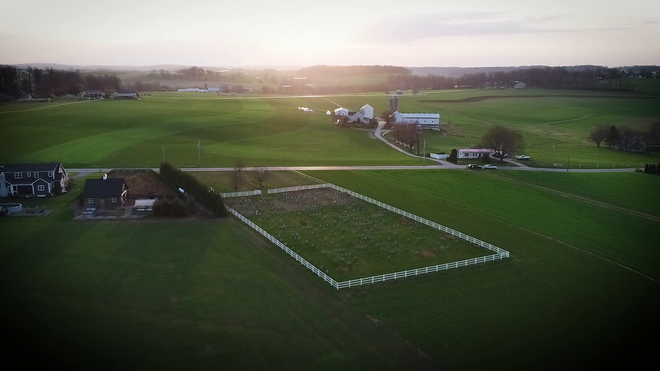
There are no memorials, murals, or statues in Nickel Mines for the girls (largely because of the beliefs of the Amish faith). But after the school was demolished, the land was turned into a grassy meadow and five pear trees were planted for the girls.
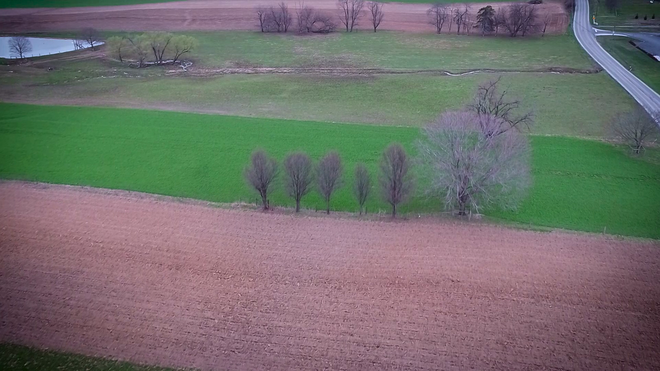
“I do drive by there occasionally. Those trees speak to me every time I go by them,” says Herman Bontrager. He acted as a community spokesperson for the Amish in 2006 and still does today. “The spirit of the girls is still here in this community — and what a loss.”
In our conversation around the table, it became clear that the shooting didn’t just take lives. It changed the fabric of the entire Amish community and the communities surrounding it. The families told us there was a loss of innocence, especially because they never thought a tragedy like that could happen in their community. Their doors had to be locked and the shades of their homes closed. One mother told us that her sons got nervous just going to the mailbox.
Bontrager said the quiet, carefree life that existed before the shooting was “just shattered.”
REFLECTING ON THE LESSONS LEARNED
- Forgiveness
- Compassion
- Conversation
In the days after the shooting, headlines across the country focused on one phrase: Amish Forgive.
One mother told us, “I saw the headlines ‘Amish Forgive’ and thought … we do? I mean, we do. But we didn’t all get together and make that decision.”
Forgiveness is central to the Amish faith. But those who lived through the tragedy told us, the way that message was repeated from the outside, sometimes left little room for the full truth of what they were feeling: anger, grief, and devastating loss. They say they needed to feel the wave of all the emotions, without the pressure of the forgiveness narrative.
Bontrager said forgiveness was more complicated than the public narrative suggested. “The forgiveness story was one that took some adjusting to figure out exactly what that meant in the community, because they weren’t all there consciously saying, ‘I forgive, I forgive,'” he said. Instead, he described forgiveness as a decision not to be consumed by bitterness. “If I don’t find a way to somehow unload this horrible thing from my mind, my heart, I’ll just turn bitter,” he said. “So forgiveness is more a decision, I think, as a community, that we’re not going to become hostages to hostility, because hostility is destructive and it destroys individuals and it destroys communities.”
The aftermath also revealed something else: extraordinary compassion. The community was met with an outpouring of donations, supplies, and services. Neighbors in Lancaster County and strangers across the country sent money, cards, and supplies to the families and first responders.
“One of the things that I noticed is they became very aware early on of the value of counseling services. There’s been a lot more openness to seeing the value of those kinds of services for some people,” Bontrager says.
The community and the families also learned that continuing to talk to each other was a way to keep moving forward.
“Some of these families have modeled the value of just honest conversation about how they really felt. Being able to talk about, you know, we had feelings of anger and loss and grief and not just one wave, but it would come time and time again. That has had a positive impact on the community,” says Bontrager.
It opened up conversations about safety as a whole as well. “It made everybody ask questions,” Bontrager said. “How do we protect? I mean, if this can happen in an Amish school, it can happen anywhere.”
One of the girls injured in the shooting died in 2024 from complications tied to those injuries, opening up old emotional wounds for many. Bontrager told us about a conversation he had with another man at the time, “Seeing the tears run down his cheeks, he said, ‘I had to start all over again on forgiveness yesterday.’ In other words, it’s all a journey.”
Twenty years have passed, changing the landscape of the land and the community. One mother told us, “It doesn’t feel like it’s been 20 years. It’s hard to believe that there are generations that have now grown that have no idea what happened.”
As we wrapped up, the other mother told us about having a hole in her heart and pointed to a sign in her kitchen that read, “A piece of my heart is in heaven.”
Her husband followed with, “The hole in my heart is huge, always.” Everyone nodded in agreement, followed by a heavy silence.
The journey of healing still continues, along with the deep love for all of the girls.