Farmers along the Middle Rio Grande are bracing for a difficult growing season as low snowpack and shrinking river flows leave them scrambling for water.According to the Middle Rio Grande Conservancy District, this year’s snowpack is among the worst on record. With the Rio Grande already looking more like late summer than spring, farmers say they are feeling the pressure.For the Rosales family in Lemitar, farming is more than a business.”We grow it, and we sell it directly, directly to consumers,” Tommy Rosales said.The Rosales family has been growing chile for half a century. “It’s just a lot of pride. I love to know that I’m putting something in the ground where people can enjoy it,” he said.But Rosales said this season will not be easy.”Having seen the irrigation ditches as dry as they are, it’s the worst I’ve seen,” he said.Middle Rio Grande Conservancy District Chief Engineer and CEO Jason Casuga said the conditions are severe.”It’s not just bad. It’s really bad. something that I haven’t seen to this degree in my 20 years,” Casuga said.River flows increased last month because of low-elevation snowmelt, giving farmers an early boost. But district officials said those flows have since dropped about 30%.”Here we are into April, start of May, and we’re talking like spring runoff is over,” Casuga said.Rosales said many farmers are having to adapt by relying more on wells, adding that you can’t just give up. “We’ve kind of strategically planted where we’re able to access those farms with the, with the well,” he said.Last year, Rosales said they lost produce because the river water was not enough, and well water was not enough either.”Water’s, it’s like gold right now, you know, there ain’t no gold there,” Rosales said.To access groundwater, Rosales said they have to run propane- and gas-powered pumps, adding to already rising costs.”It’s (gas) over $5 a gallon right now, and that’s tough,” he said. “Well, water. It’s good. I mean, it’s clean, you know, it’s clear But, you know, they say there’s a lot of nutrients that come down that river,” he said.Without that natural boost, Rosales said farmers are relying more on fertilizer.”It’s going to go up as we’ve gone through the year, it’s going to go up,” he said.Rosales said he only uses fertilizer in the early stages, so the chile flavor is not affected and he bought much of it before prices increased.With water supplies tight and costs rising, Rosales said consumers will likely feel the impact too.”To the car all the way down the consumer. It’s going to it’s going to affect everybody,” he said.Still, Rosales said he is not giving up hope, believing better river flows will return.
Farmers along the Middle Rio Grande are bracing for a difficult growing season as low snowpack and shrinking river flows leave them scrambling for water.
According to the Middle Rio Grande Conservancy District, this year’s snowpack is among the worst on record. With the Rio Grande already looking more like late summer than spring, farmers say they are feeling the pressure.
For the Rosales family in Lemitar, farming is more than a business.
“We grow it, and we sell it directly, directly to consumers,” Tommy Rosales said.
The Rosales family has been growing chile for half a century.
“It’s just a lot of pride. I love to know that I’m putting something in the ground where people can enjoy it,” he said.
But Rosales said this season will not be easy.
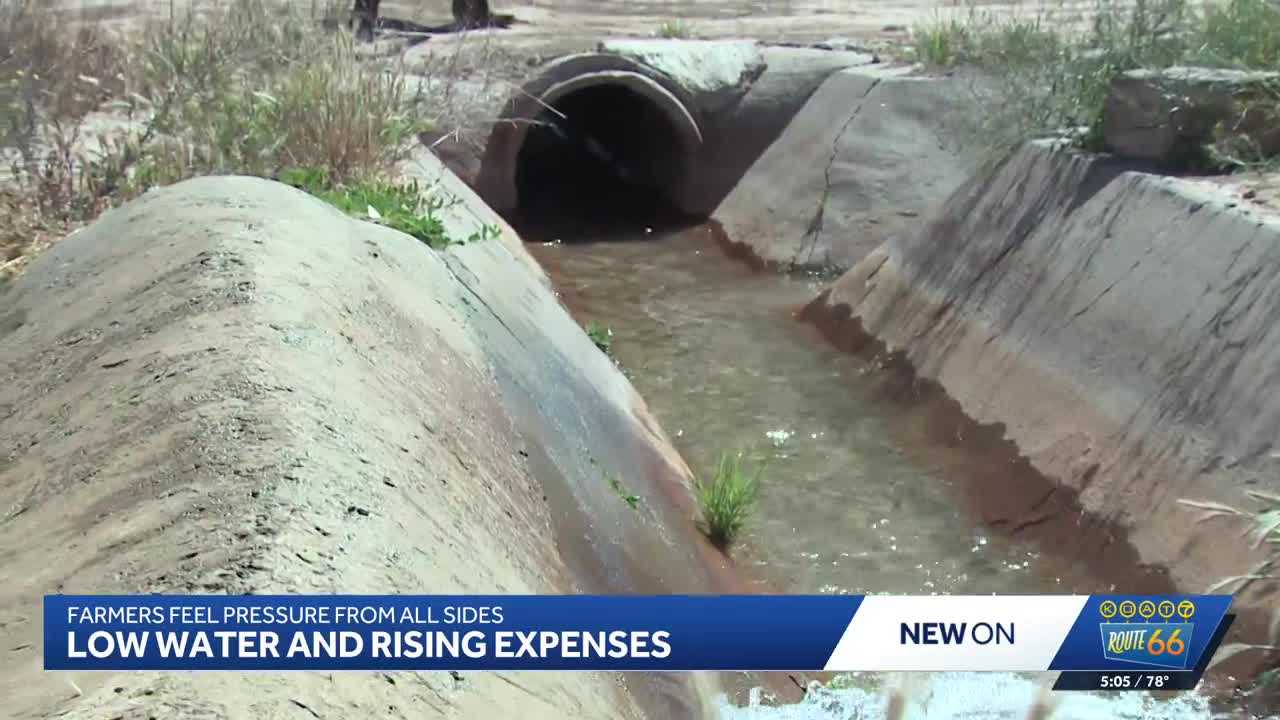
“Having seen the irrigation ditches as dry as they are, it’s the worst I’ve seen,” he said.
Middle Rio Grande Conservancy District Chief Engineer and CEO Jason Casuga said the conditions are severe.
“It’s not just bad. It’s really bad. something that I haven’t seen to this degree in my 20 years,” Casuga said.
River flows increased last month because of low-elevation snowmelt, giving farmers an early boost. But district officials said those flows have since dropped about 30%.
“Here we are into April, start of May, and we’re talking like spring runoff is over,” Casuga said.
Rosales said many farmers are having to adapt by relying more on wells, adding that you can’t just give up.
“We’ve kind of strategically planted where we’re able to access those farms with the, with the well,” he said.
Last year, Rosales said they lost produce because the river water was not enough, and well water was not enough either.
“Water’s, it’s like gold right now, you know, there ain’t no gold there,” Rosales said.
To access groundwater, Rosales said they have to run propane- and gas-powered pumps, adding to already rising costs.
“It’s (gas) over $5 a gallon right now, and that’s tough,” he said. “Well, water. It’s good. I mean, it’s clean, you know, it’s clear But, you know, they say there’s a lot of nutrients that come down that river,” he said.
Without that natural boost, Rosales said farmers are relying more on fertilizer.
“It’s going to go up as we’ve gone through the year, it’s going to go up,” he said.
Rosales said he only uses fertilizer in the early stages, so the chile flavor is not affected and he bought much of it before prices increased.
With water supplies tight and costs rising, Rosales said consumers will likely feel the impact too.
“To the car all the way down the consumer. It’s going to it’s going to affect everybody,” he said.
Still, Rosales said he is not giving up hope, believing better river flows will return.

