Valentine’s Day didn’t start with candy hearts or roses — or a Roman fertility festival, though there was one in mid-February. The first love notes signed “Your Valentine” likely were not sent by an imprisoned St. Valentine either. I hope I’m not breaking any hearts when I tell you the popular legends you’ve heard about Valentine’s Day are precisely that — legends.The real history of Valentine’s Day, short version, is this: The original holiday was a Christian feast day in honor of a saint. The romantic holiday we celebrate today is largely unrelated. It probably originated with medieval poetry and the start of bird-mating season, which at the time was viewed by many as the beginning of spring. Why call it Valentine’s Day if it’s not about St. Valentine? Simple. In the Middle Ages, it was a common way to refer to Feb. 14. Who was St. Valentine, and was he a real person?St. Valentine is believed to be based on a combination of two Christians by that name. Legend holds that both were executed on Feb. 14, though in different years, possibly during the reign of Roman Emperor Claudius II in the 3rd century. (There was also allegedly a third St. Valentine who died in Africa, but historical evidence of him is scant.) Legend says that one of these martyrs, Saint Valentine of Terni, had officiated weddings for Roman soldiers in secret, going against the emperor’s wishes and leading some to see him as a proponent of love.Another story says that St. Valentine wrote the first “valentine” greeting to a young woman whom he tutored and fell in love with while he was imprisoned, according to later legend.But these anecdotes connecting St. Valentine to a celebration of love — and the holiday we know today — are only legends. So little historical information is known about the martyrs named St. Valentine that the Roman Catholic Church removed St. Valentine’s feast from its calendar in 1969. However, St. Valentine is still recognized, and the feast exists in older calendars and other Christian traditions. Did Valentine’s Day come from the Roman festival Lupercalia? Here’s what we know. There was a mid-February fertility festival in ancient Rome called Lupercalia. Dedicated to the Roman pastoral and fertility god Faunus and the Roman founders Romulus and Remus, it was marked by fertility rites that included animal sacrifices. (In other words, not super romantic.)In the late fifth century, Pope Gelasius I condemned the celebration of Lupercalia. It’s often asserted that he added St. Valentine’s Day to the Church calendar to counter Lupercalia, but there’s no solid historical evidence to support this idea.Moreover, there’s no clear historical link between Lupercalia and the modern-day secular version of Valentine’s Day, even though their dates coincide. When did Valentine’s Day become a romantic holiday?In the Middle Ages, Valentine’s Day began to evolve into the romantic holiday it is now — and we might have the poet Geoffrey Chaucer to thank.The late scholar Jack B. Oruch, a University of Kansas English professor, determined that Chaucer was the first to link love with St. Valentine’s Day in his 14th-century works “The Parliament of Fowls” and “The Complaint of Mars,” thus inventing Valentine’s Day as we know it today. At the time of Chaucer’s writing, Feb. 14 was considered the first day of spring in Britain because it was the beginning of the bird mating season — perfectly appropriate for a celebration of affection. In fact, Chaucer’s “The Parliament of Fowls” is all about birds (albeit anthropomorphized ones) gathering to choose their mates:“For this was on Saint Valentine’s day, When every fowl comes there his mate to take.”—The Parliament of Fowls, 1381Why didn’t Chaucer write “For this was on February 14…”? It would not have been the convention of the times. In a blog post for The Folklore Society, folklorist Jacqueline Simpson writes: “In the Catholic Church every day in the year celebrates at least one saint, and for a public who had no printed calendars it was easier to remember dates by names than by figures.”Why do we celebrate Valentine’s Day today?Poets like Chaucer and, two centuries later, Shakespeare helped popularize Valentine’s Day as a romantic holiday, and it stuck — though it began with relatively simple traditions compared to today.Early on, people celebrated by penning and exchanging love letters on Feb. 14. The oldest known Valentine’s Day love letter was written in French in 1415 (after Chaucer, before Shakespeare). In that missive, Charles, Duke of Orleans, who was then a prisoner of war held in the Tower of London, wrote to his wife, Bonne of Armagnac. The mid-19th century marked the beginning of many of our commercialized Valentine’s Day traditions. Victorian men wooed women with flowers, and Richard Cadbury created the first heart-shaped box of chocolates in 1868. Also around this time, the “Mother of the American Valentine”, Esther Howland, only in her early 20s, popularized store-bought English-style valentines in America thanks to her assembly line process that made elaborate cards affordable.Taking a cue from the popularity of valentines, The New England Confectionery Company, or NECCO, began stamping out an early version of Conversation Hearts — though the sweet messages weren’t heart-shaped until 1902.By the early 1910s, an American company that would one day become Hallmark began distributing its more official “Valentine’s Day cards.” The rest, as they say, is history.Who is Cupid, and why is he part of Valentine’s Day? Cupid — that winged baby boy often seen on Valentine’s Day cards and paraphernalia — is another symbol of this love-filled holiday. It’s unclear exactly when Cupid was brought into the Valentine’s Day story, but it’s certainly clear why. In Roman mythology, Cupid was the son of Venus, goddess of love and beauty. He was known for shooting arrows at both gods and humans, causing them to fall instantly in love with one another.
Valentine’s Day didn’t start with candy hearts or roses — or a Roman fertility festival, though there was one in mid-February. The first love notes signed “Your Valentine” likely were not sent by an imprisoned St. Valentine either.
I hope I’m not breaking any hearts when I tell you the popular legends you’ve heard about Valentine’s Day are precisely that — legends.
The real history of Valentine’s Day, short version, is this: The original holiday was a Christian feast day in honor of a saint. The romantic holiday we celebrate today is largely unrelated. It probably originated with medieval poetry and the start of bird-mating season, which at the time was viewed by many as the beginning of spring.
Why call it Valentine’s Day if it’s not about St. Valentine? Simple. In the Middle Ages, it was a common way to refer to Feb. 14.
Who was St. Valentine, and was he a real person?
St. Valentine is believed to be based on a combination of two Christians by that name. Legend holds that both were executed on Feb. 14, though in different years, possibly during the reign of Roman Emperor Claudius II in the 3rd century. (There was also allegedly a third St. Valentine who died in Africa, but historical evidence of him is scant.)
Legend says that one of these martyrs, Saint Valentine of Terni, had officiated weddings for Roman soldiers in secret, going against the emperor’s wishes and leading some to see him as a proponent of love.
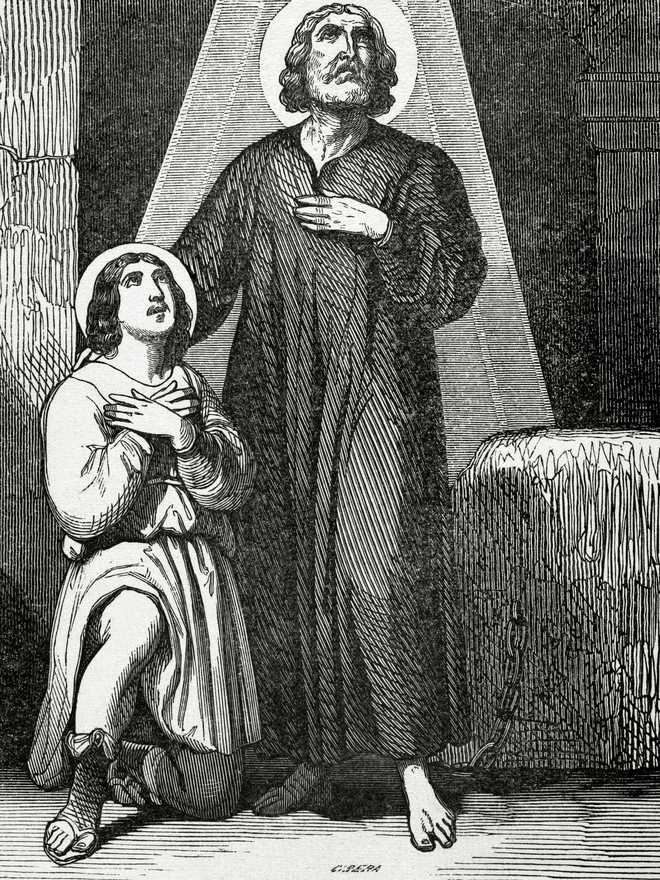
Another story says that St. Valentine wrote the first “valentine” greeting to a young woman whom he tutored and fell in love with while he was imprisoned, according to later legend.
But these anecdotes connecting St. Valentine to a celebration of love — and the holiday we know today — are only legends. So little historical information is known about the martyrs named St. Valentine that the Roman Catholic Church removed St. Valentine’s feast from its calendar in 1969. However, St. Valentine is still recognized, and the feast exists in older calendars and other Christian traditions.
Did Valentine’s Day come from the Roman festival Lupercalia?

Here’s what we know. There was a mid-February fertility festival in ancient Rome called Lupercalia. Dedicated to the Roman pastoral and fertility god Faunus and the Roman founders Romulus and Remus, it was marked by fertility rites that included animal sacrifices. (In other words, not super romantic.)
In the late fifth century, Pope Gelasius I condemned the celebration of Lupercalia. It’s often asserted that he added St. Valentine’s Day to the Church calendar to counter Lupercalia, but there’s no solid historical evidence to support this idea.
Moreover, there’s no clear historical link between Lupercalia and the modern-day secular version of Valentine’s Day, even though their dates coincide.
When did Valentine’s Day become a romantic holiday?
In the Middle Ages, Valentine’s Day began to evolve into the romantic holiday it is now — and we might have the poet Geoffrey Chaucer to thank.
The late scholar Jack B. Oruch, a University of Kansas English professor, determined that Chaucer was the first to link love with St. Valentine’s Day in his 14th-century works “The Parliament of Fowls” and “The Complaint of Mars,” thus inventing Valentine’s Day as we know it today.
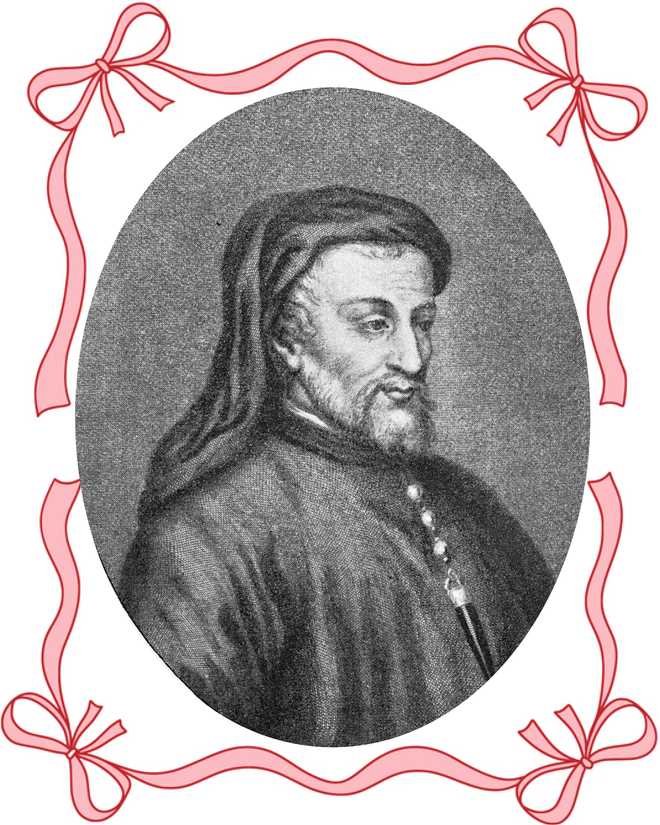
At the time of Chaucer’s writing, Feb. 14 was considered the first day of spring in Britain because it was the beginning of the bird mating season — perfectly appropriate for a celebration of affection.
In fact, Chaucer’s “The Parliament of Fowls” is all about birds (albeit anthropomorphized ones) gathering to choose their mates:
“For this was on Saint Valentine’s day,
When every fowl comes there his mate to take.”
—The Parliament of Fowls, 1381
Why didn’t Chaucer write “For this was on February 14…”? It would not have been the convention of the times. In a blog post for The Folklore Society, folklorist Jacqueline Simpson writes: “In the Catholic Church every day in the year celebrates at least one saint, and for a public who had no printed calendars it was easier to remember dates by names than by figures.”
Why do we celebrate Valentine’s Day today?
Poets like Chaucer and, two centuries later, Shakespeare helped popularize Valentine’s Day as a romantic holiday, and it stuck — though it began with relatively simple traditions compared to today.
Early on, people celebrated by penning and exchanging love letters on Feb. 14. The oldest known Valentine’s Day love letter was written in French in 1415 (after Chaucer, before Shakespeare). In that missive, Charles, Duke of Orleans, who was then a prisoner of war held in the Tower of London, wrote to his wife, Bonne of Armagnac.
The mid-19th century marked the beginning of many of our commercialized Valentine’s Day traditions. Victorian men wooed women with flowers, and Richard Cadbury created the first heart-shaped box of chocolates in 1868.
Also around this time, the “Mother of the American Valentine”, Esther Howland, only in her early 20s, popularized store-bought English-style valentines in America thanks to her assembly line process that made elaborate cards affordable.

Taking a cue from the popularity of valentines, The New England Confectionery Company, or NECCO, began stamping out an early version of Conversation Hearts — though the sweet messages weren’t heart-shaped until 1902.
By the early 1910s, an American company that would one day become Hallmark began distributing its more official “Valentine’s Day cards.” The rest, as they say, is history.
Who is Cupid, and why is he part of Valentine’s Day?

Cupid — that winged baby boy often seen on Valentine’s Day cards and paraphernalia — is another symbol of this love-filled holiday. It’s unclear exactly when Cupid was brought into the Valentine’s Day story, but it’s certainly clear why. In Roman mythology, Cupid was the son of Venus, goddess of love and beauty. He was known for shooting arrows at both gods and humans, causing them to fall instantly in love with one another.

